





Acne patches have become a staple in modern skincare, but their role in managing scars is often misunderstood. While originally designed for active breakouts, the technology behind these pimple patches has expanded to include specialised treatments for post-acne marks.
If you are wondering whether pimple patches leave scars, correct use is unlikely to be the issue; instead, picking and ongoing inflammation are more common concerns. Understanding the difference between a patch that heals a blemish and one that fades a scar is the key to achieving a smoother, more even complexion.
Quick Answer: Yes, acne patches help with scars in two distinct ways. Hydrocolloid patches prevent new scars by creating a moist healing environment and stopping you from picking, while silicone or microneedle patches help fade existing scars by hydrating the tissue and delivering brightening actives like Niacinamide and Tranexamic Acid directly into the skin. In other words, pimple patches help most when the patch matches the stage and type of blemish.
Key Takeaways
- Prevention is power. Covering a blemish with an acne patch prevents the physical trauma of picking and popping, which is the primary cause of permanent scarring. One of the reasons the risk of scarring increases is that picking at active blemishes is a major cause of acne scars.
- Texture matters. For raised or textured scars, medical-grade silicone is the most reliable option for flattening and softening the skin over time.
- Start early. Treating a blemish with an acne pimple patch at the first sign of inflammation significantly lowers the risk of post-inflammatory hyperpigmentation (PIH) developing. Early protection can also help prevent acne scars by limiting repeated touching of healing skin.
How Acne Patches Work
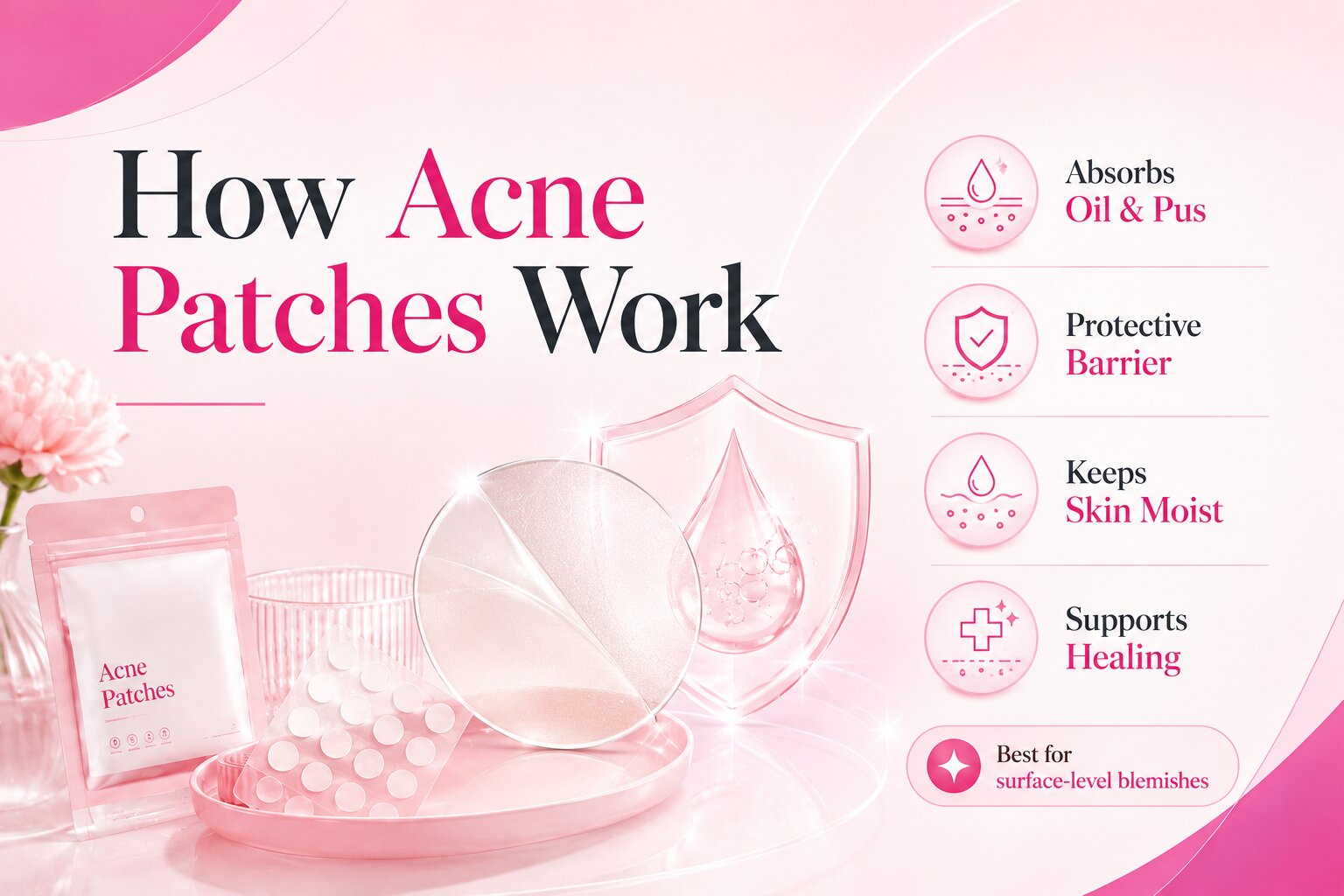
Most acne patches are made from hydrocolloid, a gel-forming material originally used in medical wound care. When placed over a blemish, the patch draws out excess pus and oil, which physically flattens the pimple faster than leaving it untreated. Hydrocolloid pimple patches are most effective on surface-level, fluid-filled blemishes rather than deep cystic acne.
Beyond fluid absorption, the patch acts as a protective barrier. Think of it as a small skin care sticker with an adhesive backing. It shields the open blemish from bacteria, dirt, and your own fingers. This second point matters more than most people realise. A covered spot is a spot that cannot be touched, and touching is often what turns a minor blemish into a lasting acne scar. Used correctly, patches don’t cause scarring simply by covering the spot, although picking at the patch or repeatedly pulling at the adhesive can disturb fragile skin.
There is also a wound-healing benefit. By keeping the affected area moist, the hydrocolloid material prevents the formation of hard, dry scabs. Scabs tend to result in uneven texture and longer recovery times because they disrupt the skin's natural repair process. A moist environment allows the skin to heal with less structural damage, which directly reduces scarring risk. This helps heal the surface while new skin cells rebuild around that area.
Can Acne Patches Help Reduce Scars?
The answer depends on the type of scar you are dealing with, and choosing the right acne patch format makes a real difference. Different types of acne and marks respond differently, so the type of patch matters.
For preventing future acne scars, standard hydrocolloid patches are excellent. They reduce the size and depth of a blemish during healing and remove the temptation to pick or squeeze, which is the single biggest cause of permanent marks. This is why pimple patches work best on active acne that has reached the surface and can actually help prevent scarring caused by repeated touching.
For fading dark spots and PIH, specialised microneedle patches do something surface-level products cannot. Their tiny dissolvable spikes deposit brightening ingredients such as niacinamide and tranexamic acid below the surface, reaching the layer of skin where pigmentation actually forms. Some medicated patches contain additional acne treatment ingredients, but they should only be used depending on your skin type.
For flattening raised or textured scars, silicone patches work differently from hydrocolloid. They do not absorb fluid; instead, they create an occlusive environment over older, healed skin. This prolonged moisture signals the skin to slow down excess collagen production, gradually flattening the scar tissue over weeks of consistent use. If you are especially prone to scarring, a dermatologist or aesthetic clinic can advise whether a silicone-based scar treatment is appropriate.
Some people also ask whether acne patches cause scars. If patches irritate, it may be due to them irritating the skin, being removed too aggressively, or being used on a blemish that is not suited to that patch format.
Top Spot and Blemish Treatments Available at Sa Sa Singapore
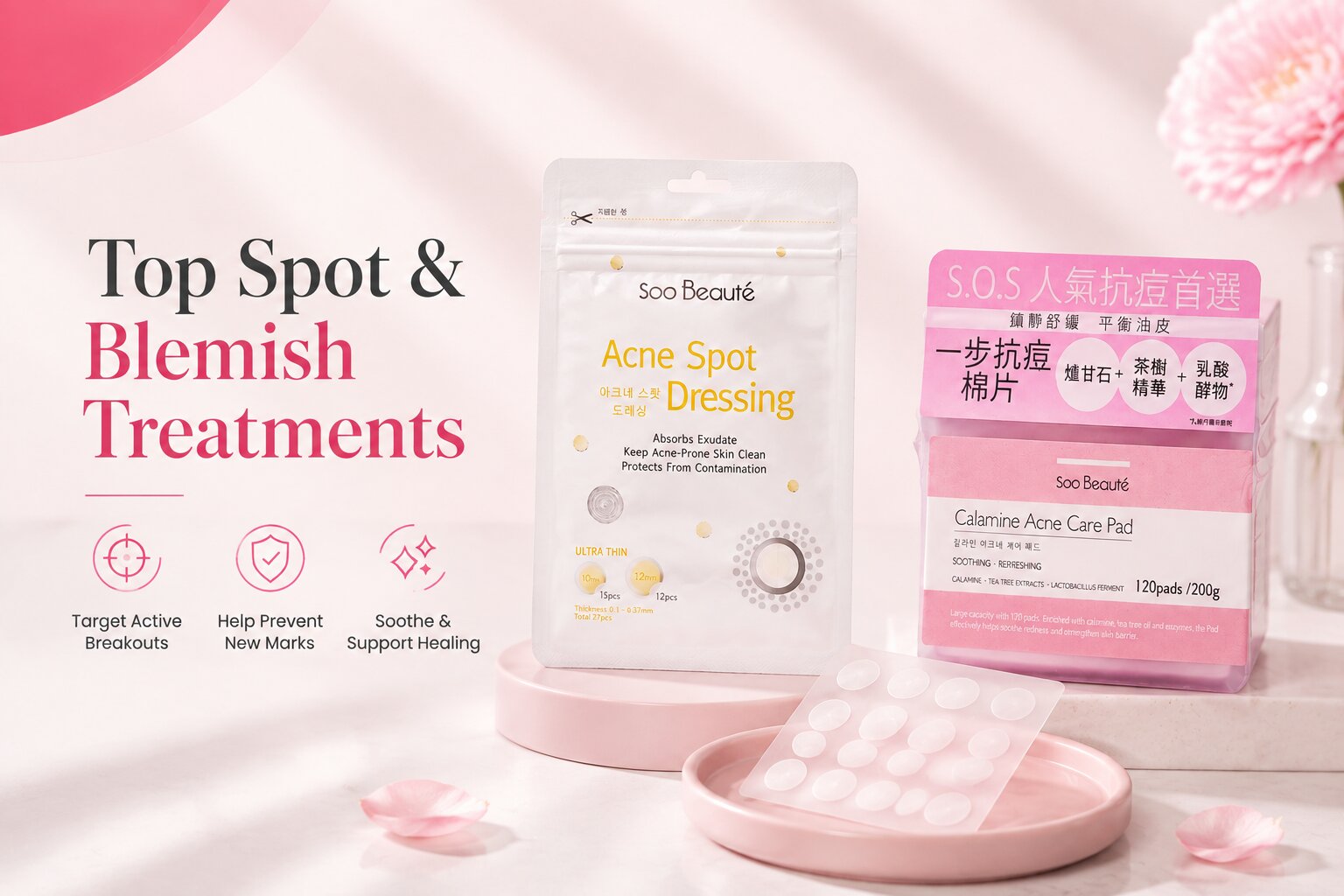
To fast-track your skin's recovery and prevent dark acne marks from forming, these targeted treatments are available directly on the Sa Sa Singapore website.
The Hydrocolloid Acne Barrier: Soo Beauté Acne Spot Dressing (27s)
This overnight SOS treatment adheres tightly to the skin to draw out deep impurities and pus while forming a 0.1mm ultra-thin, sterile wet shield over the blemish. The ultra-thin film stays put through sleep, protecting the area from friction and contamination so the skin can focus entirely on healing. It is a good first-response option when a spot appears, giving you the best chance of avoiding a scar altogether. These patches are designed to protect the blemish while supporting a cleaner healing environment.
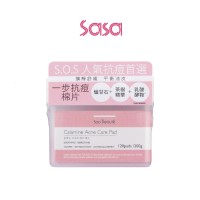
The Calming Anti-Blemish Dressing: Soo Beauté Calamine Acne Care Pad (120pcs)
Infused with pink calamine, triple tea tree extract, and oil-absorbing PCA zinc, these dual-textured pads work as a targeted 5-10 minute soothing compress. They flatten angry blemishes, reduce bacterial swelling, and stabilise the skin barrier with fermented Lactobacillus. Using these at the inflamed stage of a breakout helps prevent the prolonged redness that leads to dark acne marks. Other acne patches may use ingredients such as tea tree oil, so always check the formula if you have sensitive skin.
Tips for Using Acne Patches Effectively
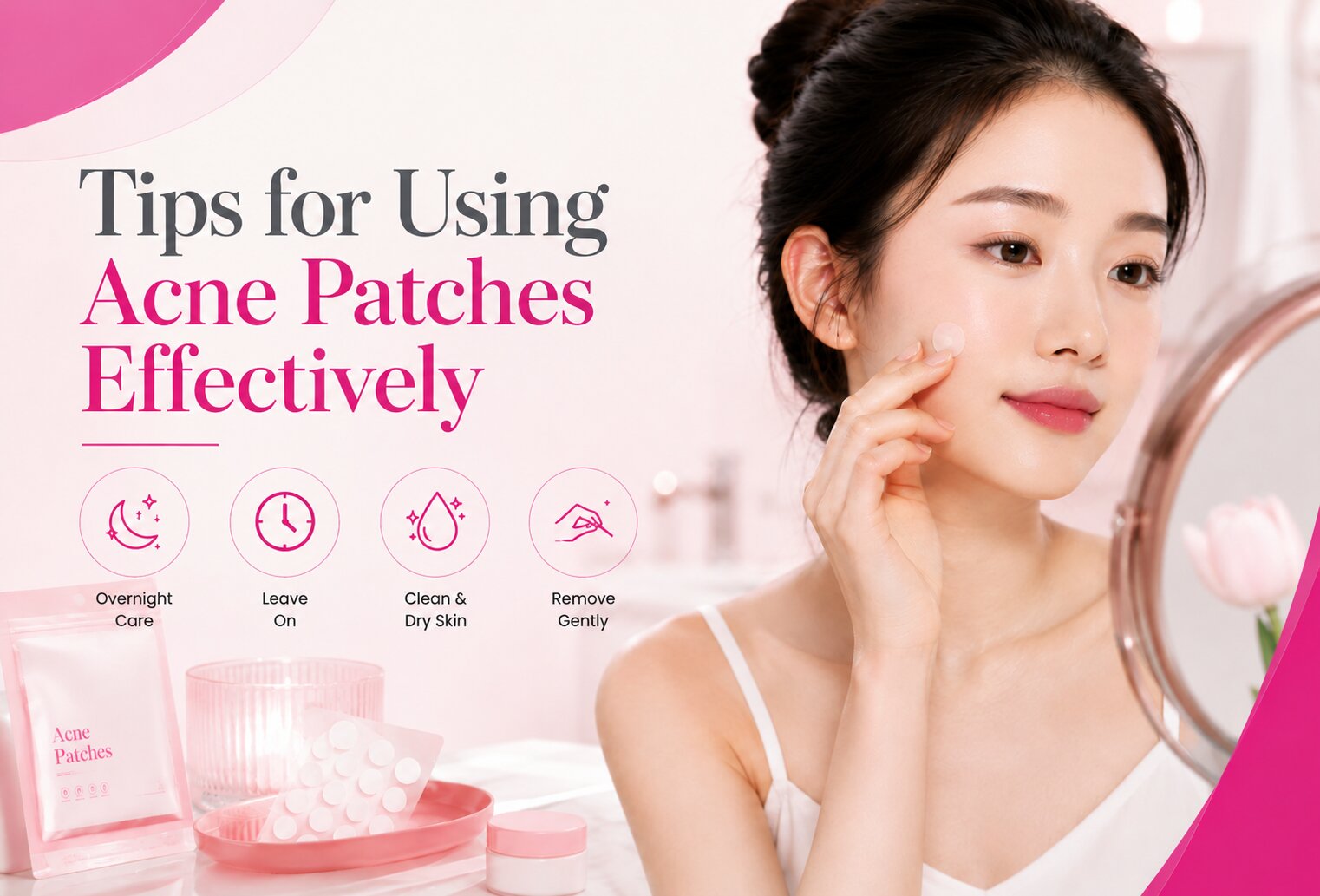
Getting the most out of any acne pimple patch comes down to a few consistent habits. If you use pimple patches as part of your regular skin care routine, applying them to the blemish is more important than simply covering every spot.
Always apply to clean, dry skin. Any oil or moisturiser on the surface will reduce the patch's ability to stick and seal properly, weakening its effect. Use a gentle cleanser first and make sure the skin is clean and dry before you apply the patch. Match the patch to the blemish type: hydrocolloid for surface whiteheads, microneedle patches for deep cystic spots, and silicone for healing marks. Pimple patches are small and convenient, but they are not a complete way to treat acne or prevent new acne breakouts.
Do not remove the patch too soon. Leaving it on for at least 6 to 8 hours gives it enough time to work. If the patch is still firmly adhered, loosen it with a small amount of warm water rather than pulling it away from the skin, which can disrupt delicate new tissue. A patch that has turned opaque and white has absorbed its maximum capacity of fluid and should be replaced. Remove the patch gently; a patch may irritate the area if it is pulled off too quickly.
One of the simplest ways to prevent acne marks from worsening is to avoid squeezing spots. While patches can reduce acne picking, they do not stop acne from forming in the first place.
Additional Skincare Tips to Minimise Acne Scars
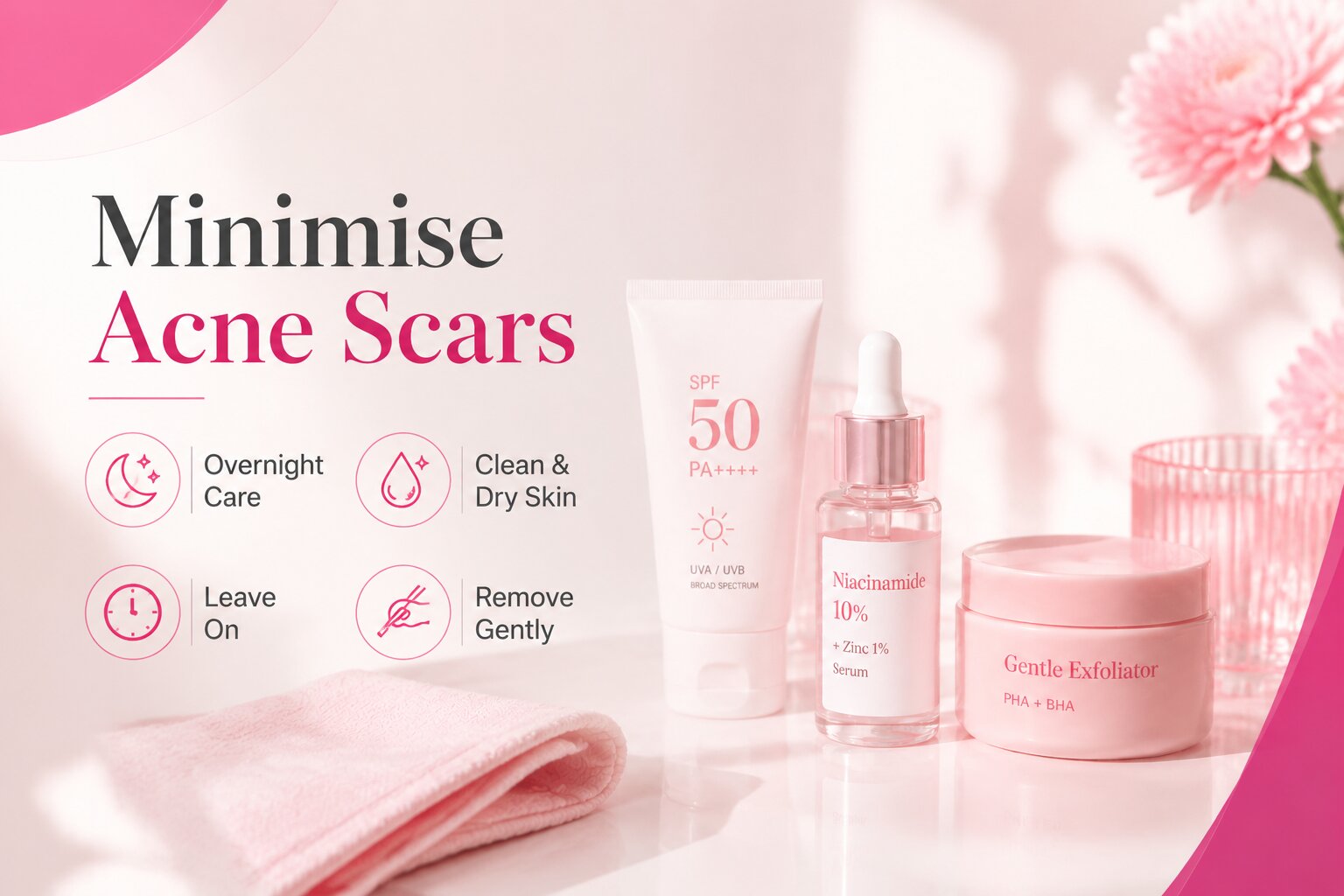
An acne patch works best as part of a broader routine rather than a standalone fix. For anyone struggling with acne, patches can support a wider skincare plan, but persistent or severe cystic acne may need professional assessment.
Daily SPF is non-negotiable. UV exposure darkens existing acne scars and makes them significantly harder to fade. Even if you use a patch overnight, sun protection during the day protects the progress you have made. Use sunscreen to help keep post-acne marks from becoming darker. Incorporating a Niacinamide serum alongside your patch routine also helps, as this B3 vitamin steadily evens out skin tone and reduces the appearance of discolouration.
Avoid physical scrubs on active or healing breakouts. Coarse exfoliants can tear healing tissue and spread bacteria to surrounding skin. A gentle chemical exfoliant such as Lactic Acid resurfaces the skin without physical abrasion. It is also worth being patient. True acne scars can take three to six months to fade, and consistency with your routine will always produce better results than switching products frequently. If a product tends to irritate your skin, stop using it and choose a gentler option.
Conclusion
Acne patches are no longer just for hiding a breakout; they are a practical tool for long-term skin health. Whether you are using a hydrocolloid dot to protect a fresh blemish or a targeted treatment pad to reduce inflammation before it leaves a mark, these small steps make a real difference to whether today's spot becomes tomorrow's scar. Used at the right stage, they can reduce scarring risk and support the skin as it continues to heal acne lesions.
Shop the Soo Beauté Acne Spot Dressing and Calamine Acne Care Pad at Sa Sa Singapore to start building a routine that tackles breakouts and scars at the same time.
Frequently Asked Questions (FAQs)
1. How do acne patches work on pimples?
Acne patches made from hydrocolloid absorb the fluid inside a pimple, physically reducing its size while sealing the area from bacteria and physical contact. The moist environment they create supports faster, cleaner healing.
2. Can acne patches help prevent or reduce acne scars?
Yes. Hydrocolloid patches prevent scars by reducing inflammation and stopping picking. Microneedle patches can fade existing dark spots by delivering brightening actives below the skin's surface. They can also protect healing tissue from physical interference.
3. What types of acne patches are most effective for scars?
For preventing scars, use hydrocolloid patches on active blemishes. For fading PIH or dark spots, look for microneedle patches with Niacinamide or Tranexamic Acid. For raised, textured scars, silicone patches are the most suitable option. For a broader acne treatment, patches are best viewed as a single targeted step rather than the entire routine.
4. How long should I leave an acne patch on a blemish?
A minimum of 6 to 8 hours is recommended. Many people apply patches overnight. Replace when the patch turns white and opaque, as this indicates it has absorbed as much as it can.
5. Can acne patches be used on sensitive skin?
Most hydrocolloid patches are gentle enough for sensitive skin. Avoid patches with strong active ingredients like salicylic acid if your skin reacts easily, and always patch test a new product on a small area before full application. It is important to patch test medicated formulas, especially if they contain tea tree oil or other actives that may irritate sensitive skin.
Author

Mei Ling Cheng is a seasoned beauty expert with over 15 years of experience in professional makeup artistry and skincare consulting. As a leading beauty advisor at Sa Sa Malaysia, she specialises in enhancing natural beauty through innovative techniques and high-quality products. Her expert recommendations have helped thousands achieve flawless, long-lasting looks with confidence.
Featured Products in this Post
Related Posts

Choosing a Face Mask for Your Skin Type & Skincare Routine

Best Facial Tools for Your Skincare Routine | Gua Sha, Rollers & Cleansing Devices
Best Wet Wipes for Sensitive Skin, Face, Body, and Hands Guide