




Sun protection is essential for all skin types, including oily and combination skin. Exposure to the sun’s ultraviolet (UV) rays can lead to premature ageing, sunspots, and long-term skin damage. While most people understand the importance of SPF, finding a sun cream that works well for oily skin can be a challenge. Many traditional sunscreens feel heavy, greasy, or cause breakouts, leaving those with oily skin frustrated and unsure which to.
This guide will help you navigate the world of sun cream for oily skin, from understanding SPF and water-resistance to selecting the best formulations for routine. You’ll learn how to balance sun protection with comfort, keep your skin matte, and choose products that won’t clog pores. By the end, you’ll feel confident selecting and applying the best face sun cream for your skin type.
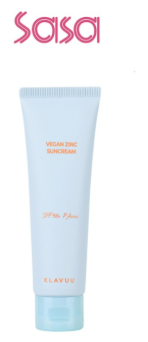
KLAVUU - VEGAN ZINC SUNCREAM SPF50+ PA++++ 50ML
1. How to Choose Sun Cream for Oily Skin
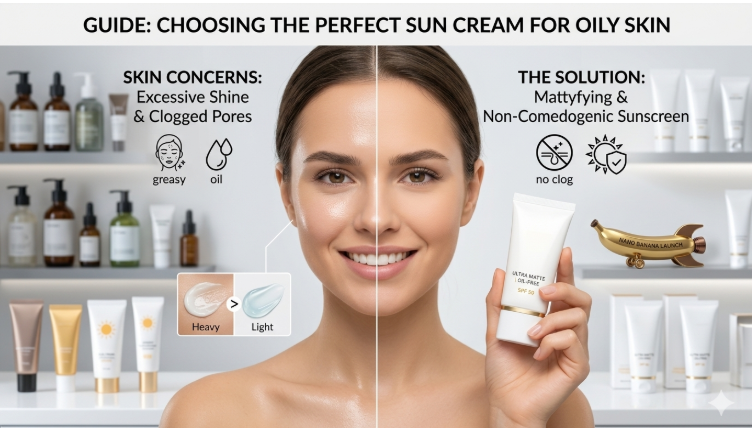
Choosing the right sun cream doesn’t have to be complicated. For oily and combination skin, look for non-comedogenic, oil-free, water-resistant formulas. These products provide effective sun protection without exacerbating shine or causing breakouts.
Light-weight textures, such as gels, emulsions, or mattifying lotions, absorb quickly, and feel comfortable throughout the day. Avoid thick creams or heavy moisturisers under your sun cream sunscreen, as these can contribute to clogged pores and greasy skin.
Apply sun cream consistently every day, even on cloudy days, and reapply every 2–3 hours if you’re sweating, swimming, or outdoors.This ensures you maintain the protection promised by your sun cream 50 SPF or other SPF level.
2. Key Takeaways
- SPF and water-resistance are essential for protecting oily skin from harmful UV rays.
- Oily skin benefits from lightweight, non-comedogenic, mattifying formulations.
- Both spray and lotion sunscreens work well; proper application technique is more important than format.
- Regular reapplication and gentle removal help prevent breakouts and maintain skin health.
- Choosing the right sun cream sunscreen balances effective protection with comfort and ease of use.
3. Understanding SPF and Water-Resistance
SPF, or Sun Protection Factor, measures how well a sun cream protects against UVB rays, which are the primary cause of sunburn. SPF 30 blocks about 97% of UVB rays, while sun cream 50 SPF blocks around 98%. For oily skin, SPF 30–50 is generally sufficient for daily wear, though higher SPF can be useful for prolonged activities.
UVA rays, on the other hand, penetrate deeper and contribute to premature ageing and long-term damage. Always choose a broad-spectrum sun cream that protects against both UVA and UVB.
Water-resistant formulas are designed to maintain protection even when your skin is exposed to sweat or water. Most water-resistant sunscreens are tested to last either 40 or 80 minutes during activity. However, oily skin may require more frequent reapplication, as sebum can reduce the longevity of the sun cream on the skin’s surface.
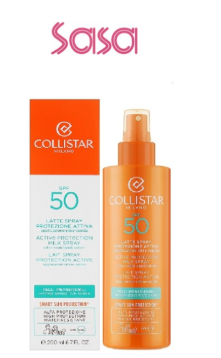
COLLISTAR - SPF50 ACTIVE PROTECT MILK SPRAY 200ML
4. Best Sun Creams for Oily and Combination Skin
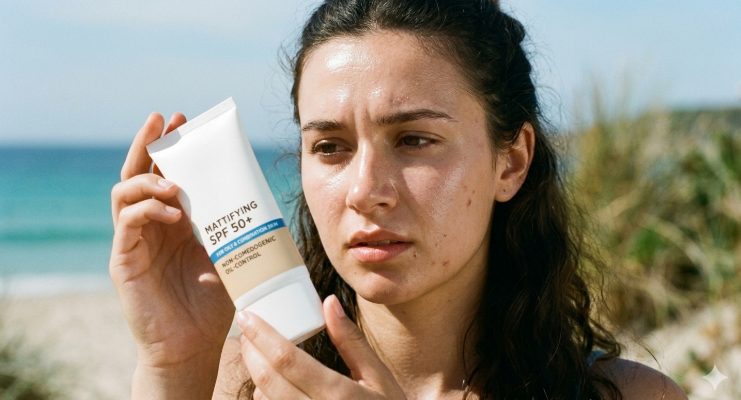
When selecting a sun cream oily skin product, prioritise non-comedogenic, mattifying formulations that won’t clog pores. Lightweight gels, lotions, or emulsions work best, as they absorb quickly and leave minimal residue.
Look for ingredients that help control excess oil, such as silica, niacinamide, or zinc oxide. Avoid heavy oils or occlusive compounds, which can aggravate shine and trigger breakouts.
Recommended products for daily wear include best face sun cream options with SPF 30–50, while for sports or active lifestyles, water-resistant formulations ensure skin remains protected during sweat or water exposure.
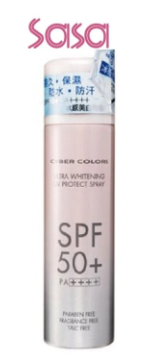
CYBER COLORS - ULTRA WHITENING UV PROTECT SPRAY SPF50+PA++++ 150ML
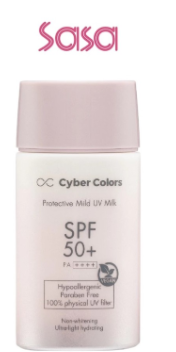
CYBER COLORS - SPF50+ PA++++ PROTECTIVE MILD UV MILK 50ML
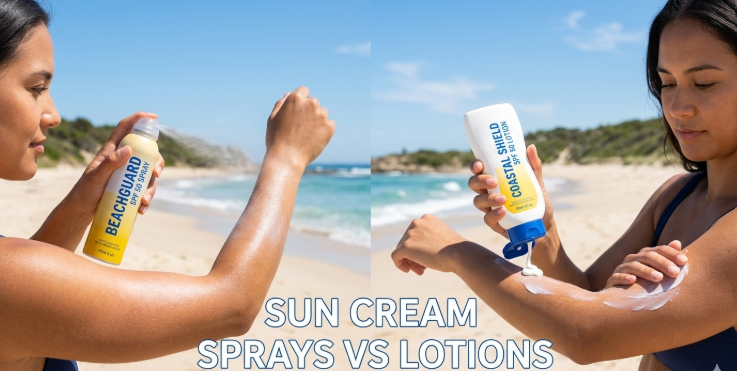
5. Sun Cream Sprays vs Lotions: Which Is Better?
Spray sunscreens are convenient, quick to apply, ideal for on-the-go protection. They are lightweight and often feel refreshing, which suits oily skin. However, it can be difficult to ensure even coverage, so it’s important to spray generously and rub it in lightly.
Lotion or cream sunscreens provide more precise coverage, particularly for the face. These can be formulated as mattifying lotions suitable for oily skin, and their thicker consistency ensures that every part of the skin is protected.
For oily and combination skin, the choice between spray and lotion comes down to personal preference. Both can work effectively, provided you apply the correct amount and reapply regularly for sun cream oily skin.
6. Tips for Applying Sun Cream Without Clogging Pores
Proper application is crucial to prevent breakouts and maintain effective sun protection.
- Apply sun cream on clean, dry skin to ensure it absorbs properly.
- Use the right amount and layer thinly rather than slathering on a thick layer.
- Avoid heavy moisturisers underneath if your skin is oily; instead, choose lightweight, oil-free hydration.
- Reapply every 2–3 hours, especially when sweating, swimming, or exposed to direct sunlight.
- Remove sunscreen gently at the end of the day using a mild cleanser or micellar water to prevent blocked pores.
Following these steps ensures your skin stays protected without the risk of greasiness or irritation.
7. Water-Resistant Sun Cream and Activity Tips
For those with an active lifestyle or who enjoy outdoor sports, water-resistant sun cream is essential. Apply 15–20 minutes before exposure, and choose products labelled as resistant for 40–80 minutes.
Even water-resistant formulas should be reapplied after heavy sweating or swimming. Combining a lightweight, mattifying sun cream with water resistance ensures your skin remains shine-free while staying protected throughout the day.
Final Thoughts
Selecting the right sun cream for oily skin doesn’t need to be daunting. Focus on non-comedogenic, water-resistant formulations with SPF 30–50 that feel comfortable and absorb quickly. Both sprays and lotions are effective, provided you apply them properly and reapply regularly.
Test different products to find a formula that suits your lifestyle, skin type, comfort preferences. Consistent sun protection is key to preventing premature ageing, sunspots, and long-term skin damage.
Remember: the best face sun cream for oily skin is one that combines effective protection with a lightweight, mattifying finish, so you can stay safe in the sun without compromising skin health or comfort.
By following these tips, your skin will remain healthy, protected, and shine-free, making sun cream an easy and enjoyable part of your daily routine.
Frequently Asked Questions (FAQs)
1. What does SPF mean and how do I choose the right level?
SPF = Sun Protection Factor. Choose SPF 30–50 for most daily sun exposure.
2. How does water-resistance in sun cream work?
It forms a protective layer that lasts 40–80 minutes in water or sweat.
3. Which sun creams are best for oily or combination skin?
Lightweight, gel-based, oil-free, or mattifying sun cream oily skin formulas.
4. Are sun cream sprays as effective as lotions?
Yes, if applied generously and evenly; lotions offer more reliable coverage.
5. How often should I reapply sun cream during the day?
Every 2 hours, or after swimming, heavy sweating, or towel-drying.
6. Can sun cream clog pores or cause breakouts?
Heavy formulas can; choose non-comedogenic, lightweight options for oily skin.
Author

Mei Ling Cheng is a seasoned beauty expert with over 15 years of experience in professional makeup artistry and skincare consulting. As a leading beauty advisor at Sa Sa Malaysia, she specialises in enhancing natural beauty through innovative techniques and high-quality products. Her expert recommendations have helped thousands achieve flawless, long-lasting looks with confidence.
Related Posts
Best Cleansing Oils & Balms for Removing SPF and Makeup Singapore
Best Facial Tools for Your Skincare Routine | Gua Sha, Rollers & Cleansing Devices
Aloe Vera Benefits for Skin | What It Does and How to Use It

How to Get Clear Skin in Singapore's Humid Climate | Skincare Tips & Routine