





Ingrown hairs are one of those grooming problems that seem minor until they're not. Left alone, they can turn into painful, inflamed bumps, and if you go at them with the wrong tool, you're looking at potential scarring or infection.
The truth is, not all tweezers are created equal, and reaching for a random pair from your bathroom drawer is where most people go wrong. Whether you are looking for the best tweezers of 2026 to find the finest remover, this guide walks you through exactly what to look for so you can deal with ingrown hairs safely, cleanly, and without making things worse.
Key Takeaways: How to Pick the Best Tweezer
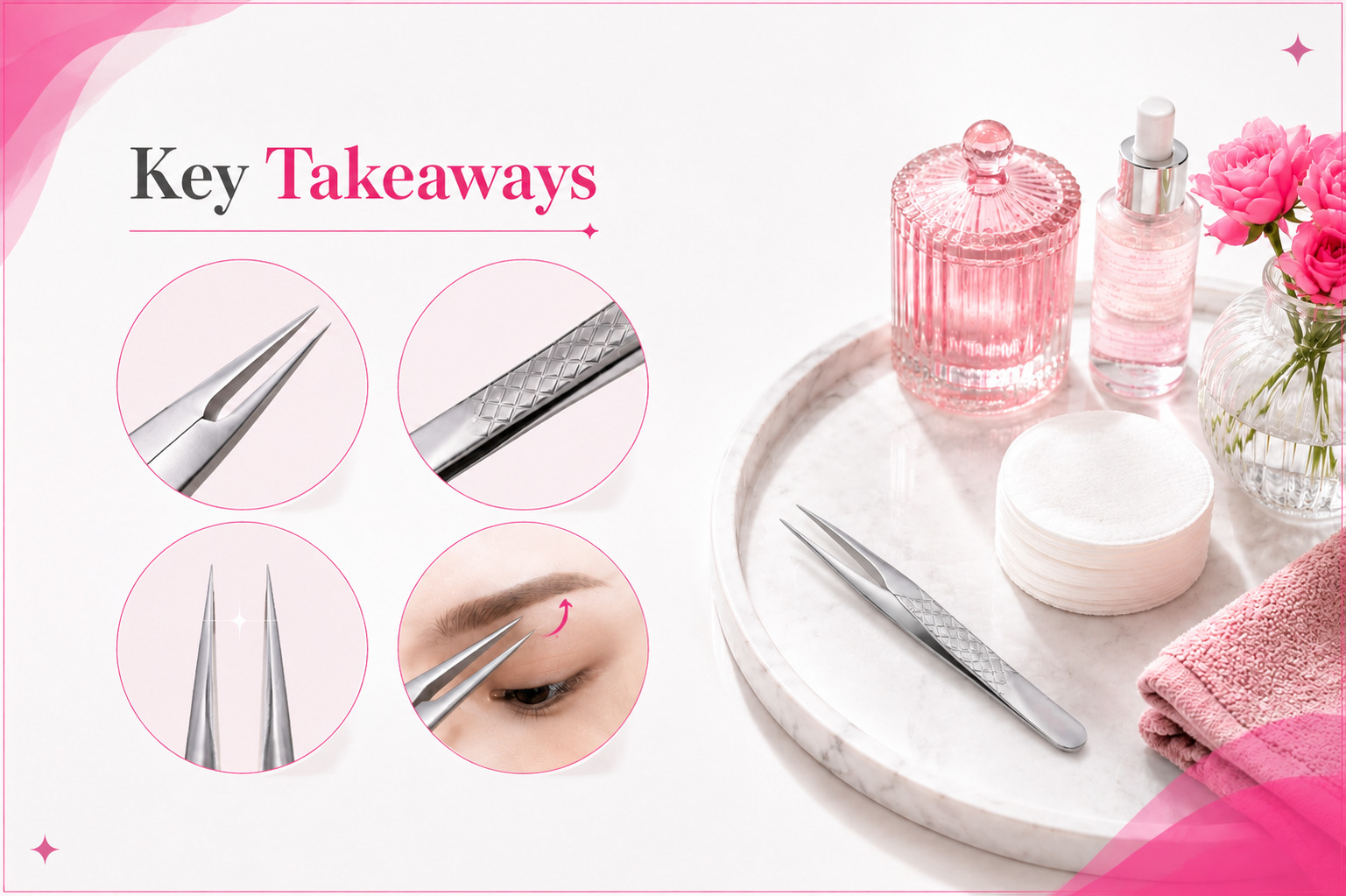
If you're short on time, here's what you need to know about choosing and using tweezers for ingrown hair removal.
- The type matters: Slanted tweezers are great for shaping brows, but needle-nose (pointed) tweezers are what you actually need to precisely extract ingrown hairs. The precision is non-negotiable for this task.
- Material matters: Only use medical-grade stainless steel. It won't corrode, it holds its alignment over time, and it can handle proper sterilisation with boiling water or alcohol.
- Lift, don't pluck: Your goal is to release the hair from the skin, not pull it out by the root. Pulling it out too aggressively increases the chance it'll grow back ingrown again.
- Check the tip alignment: Hold the tweezers up to the light and close them. If there's any gap at the tweezers’ tips, they'll pinch skin instead of grabbing hair, and that's a recipe for irritation.
Types of Tweezers and Their Uses
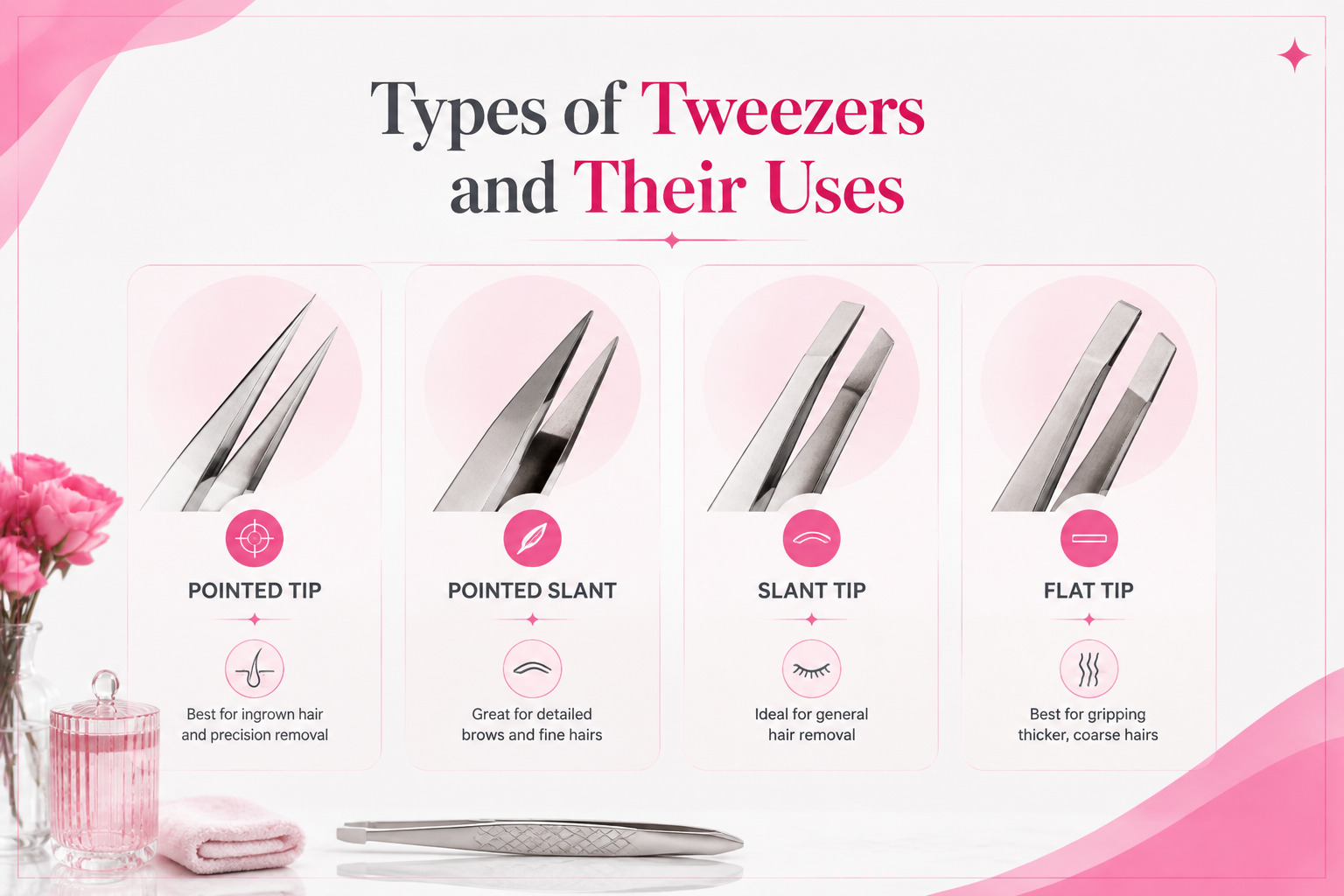
Not all tweezers are built for the same job, so it helps to know what you're working with before you buy. Here's a quick breakdown of the main types:
- Pointed-tip (needle-nose): The gold standard for an ingrown hair. The sharp tips let you target a single thin strand trapped just beneath the skin without disturbing the surrounding area.
- Pointed-slant: A hybrid option that gives you the broader width and surface area of a slant tip with a precise point for detail work. Useful, though slightly less accurate than a pure pointed tip.
- Slant-tip: Great for general hair removal to shape the brow or eyebrow, but too blunt for navigating the sensitive skin around an ingrown bump. If you prefer this, a stainless steel slant is versatile for everyday grooming, but not for precision extraction.
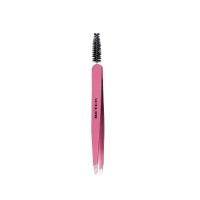
Product: Stainless Slant Eyebrow Tweezer
- Flat-tip or rounded tips: Best avoided for this purpose entirely. They don't have the precision needed to grab anything finer than thick or thicker surface-level hairs, often just pinching the skin instead.
If ingrown hairs on your facial area, chin, or leg are a recurring issue for you, a pointed-tip pair is an essential investment worth keeping separately, just for this purpose.
Features to Test: Why Rounded Tips, a Slant, or a Tip Matters
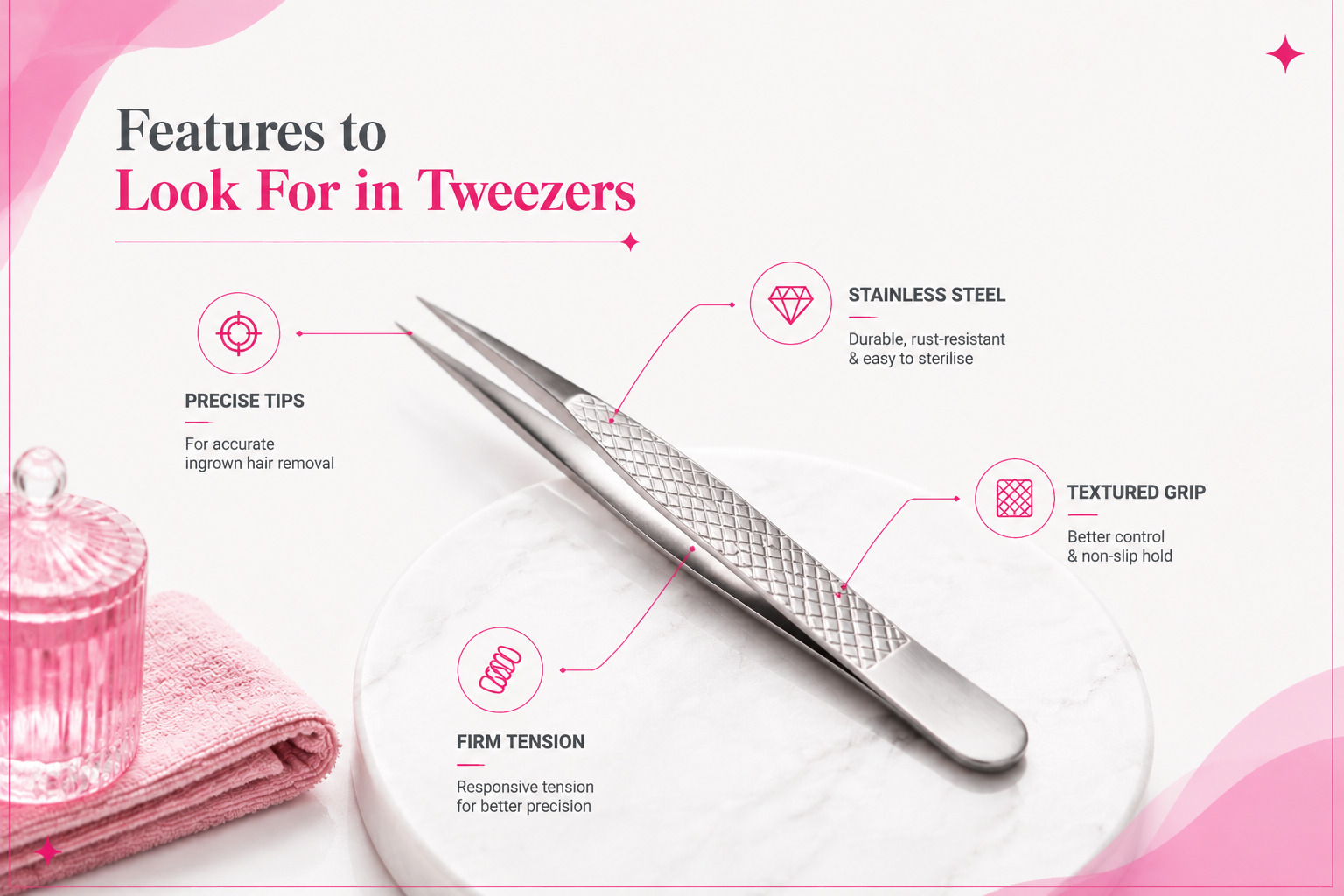
Once you've settled on the right type, these are the specifics that separate a quality pair from one that'll frustrate you. If you ask a product tester to recommend a durable tool, they will look for the following:
- Tension control: The spring tension should feel firm but responsive. If you're fighting to close the tweezers when you squeeze, you lose the tactile sensitivity needed to feel what you're actually grabbing. Good tension and the right curve or angle give you better maneuverability.
- Hand-filed tips: Better-quality tweezers are hand-filed to ensure microscopic precision at the edge, which means sharper, more accurate edges that won't slip off the hair mid-grab. This ensures you can pull the hair without cutting it or leaving broken ends.
- Stainless steel construction: Look for 100% stainless steel or a high-quality silver finish. It resists rust, won't degrade with repeated sterilisation, and stays hygienic over time.
Cheap tweezers often look fine at first glance, but the tips can misalign quickly with regular use, meaning you end up pinching and tearing skin rather than lifting hair cleanly.
How to Pluck Safely: The Best Removal Technique for an Ingrown Hair
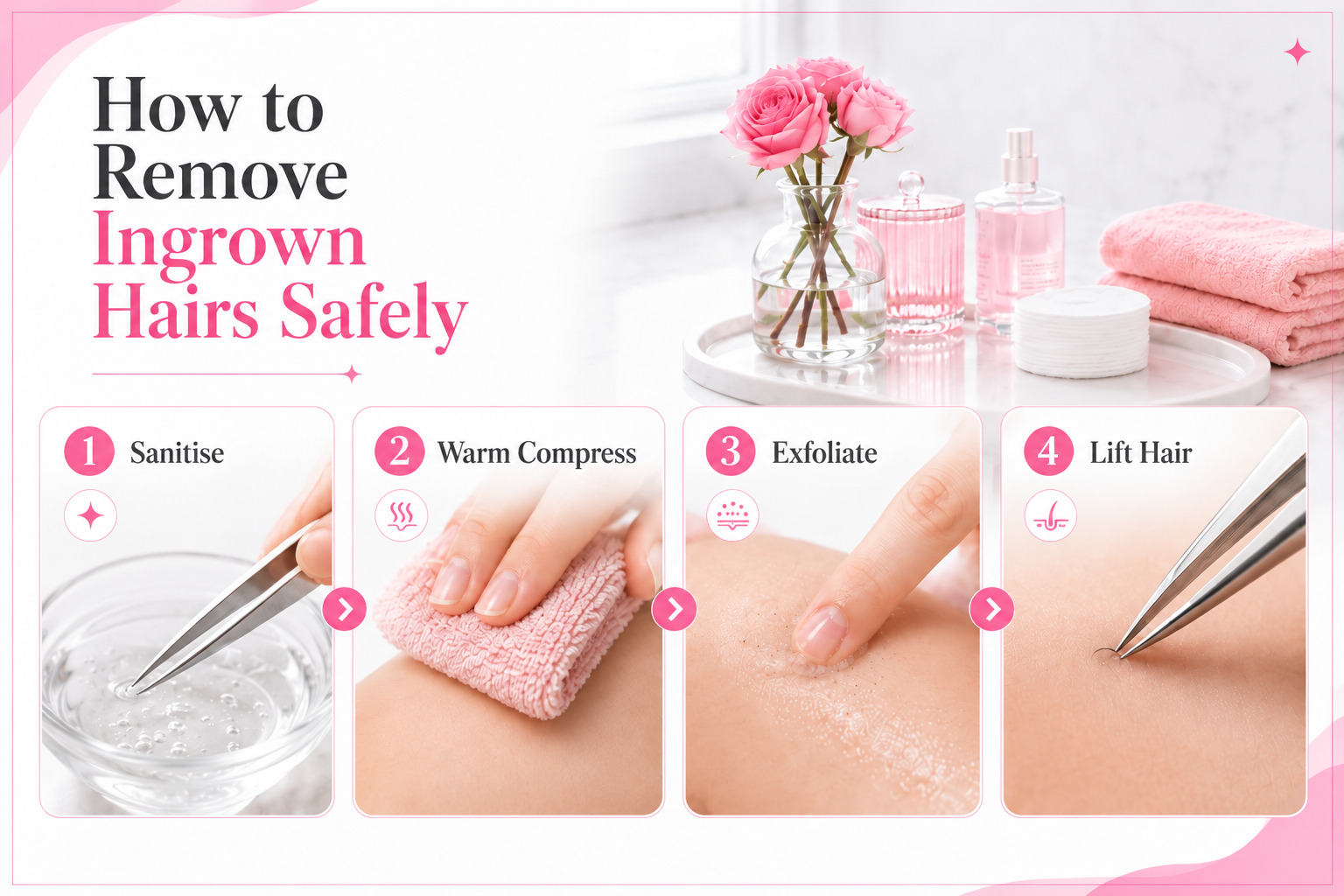
Having the right tool is half the job. Getting the technique right is the other half. Here's how to do it properly:
- Sanitise first: Wipe down your tweezers with 70% isopropyl alcohol and clean your skin too.
- Apply a warm compress: Hold a warm, damp cloth over the area for two to three minutes. This softens the skin and opens up the pores, making the hair easier to reach.
- Exfoliate gently: Use a soft washcloth to clear any dead skin cells sitting over the hair. Don't scrub aggressively.
- Lift the hair: Using your pointed-tip tweezers, gently catch the loop or visible tip of the hair to extract it and bring it above the skin surface. Don't dig in; you're lifting, not excavating. Take care to maneuver carefully so you don't cut hairs.
- Pause before plucking: If you can, leave the hair sitting above the skin for a day before fully removing it. This gives the follicle a chance to settle before it's disturbed again.
- Aftercare: Apply a small amount of witch hazel or a mild antiseptic to calm the area and keep bacteria at bay.
Common Mistakes to Avoid
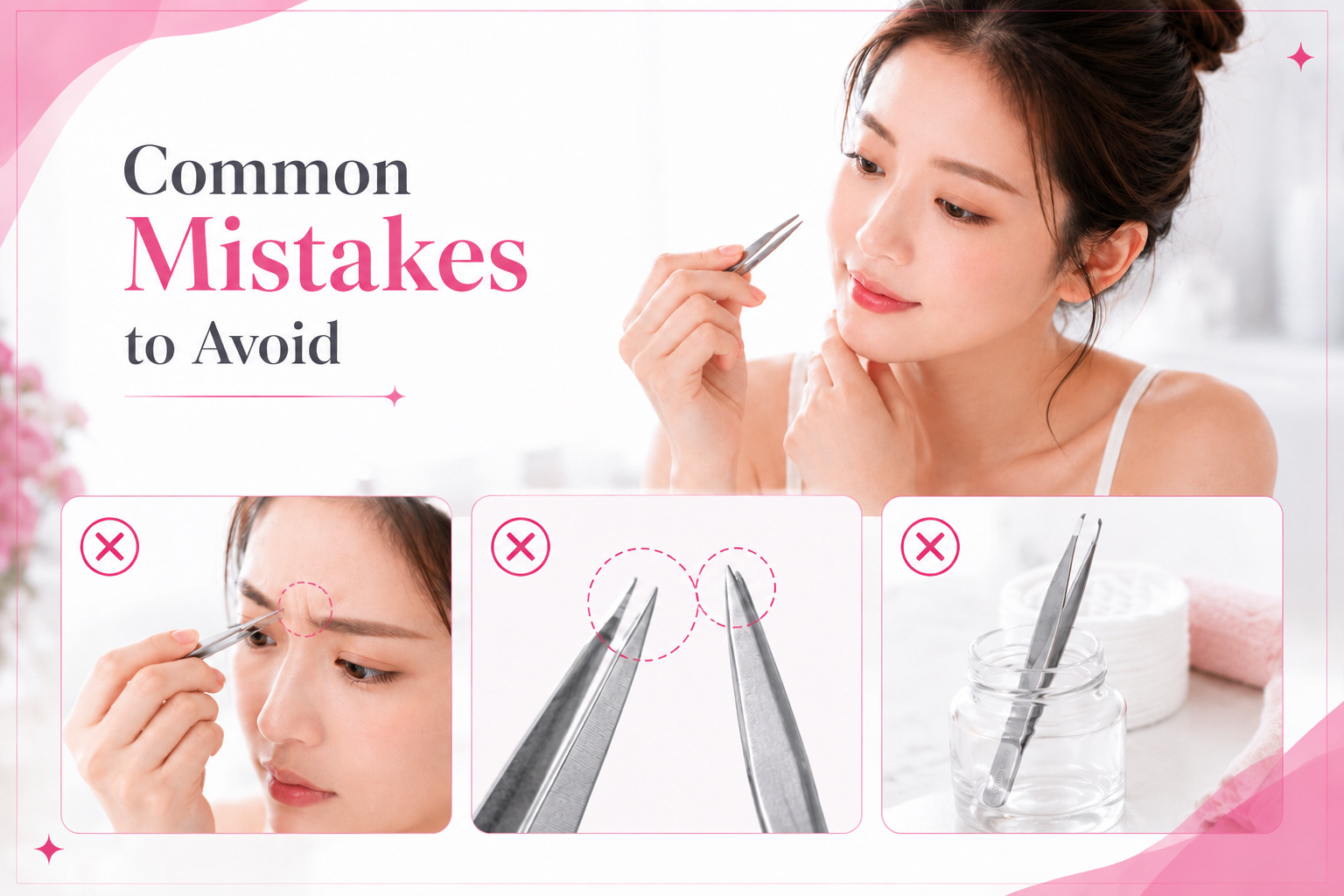
Most ingrown hair problems escalate because of errors that are entirely avoidable. Here's what to watch out for:
- Digging too deep: If you're drawing blood to reach the hair, stop immediately. You're creating scar tissue that makes future ingrown hairs more likely.
- Using dull tools: Dull tweezers need extra pressure to grip, which usually results in snapping the hair off at the shaft rather than lifting it cleanly. This is why investing in a highly rated brand will suit you much better in the long run.
- Skipping sterilisation: Bacteria on tweezers are one of the leading causes of grooming-related skin infections. It takes ten seconds; don't skip it.
Tips to Prevent Ingrown Hairs
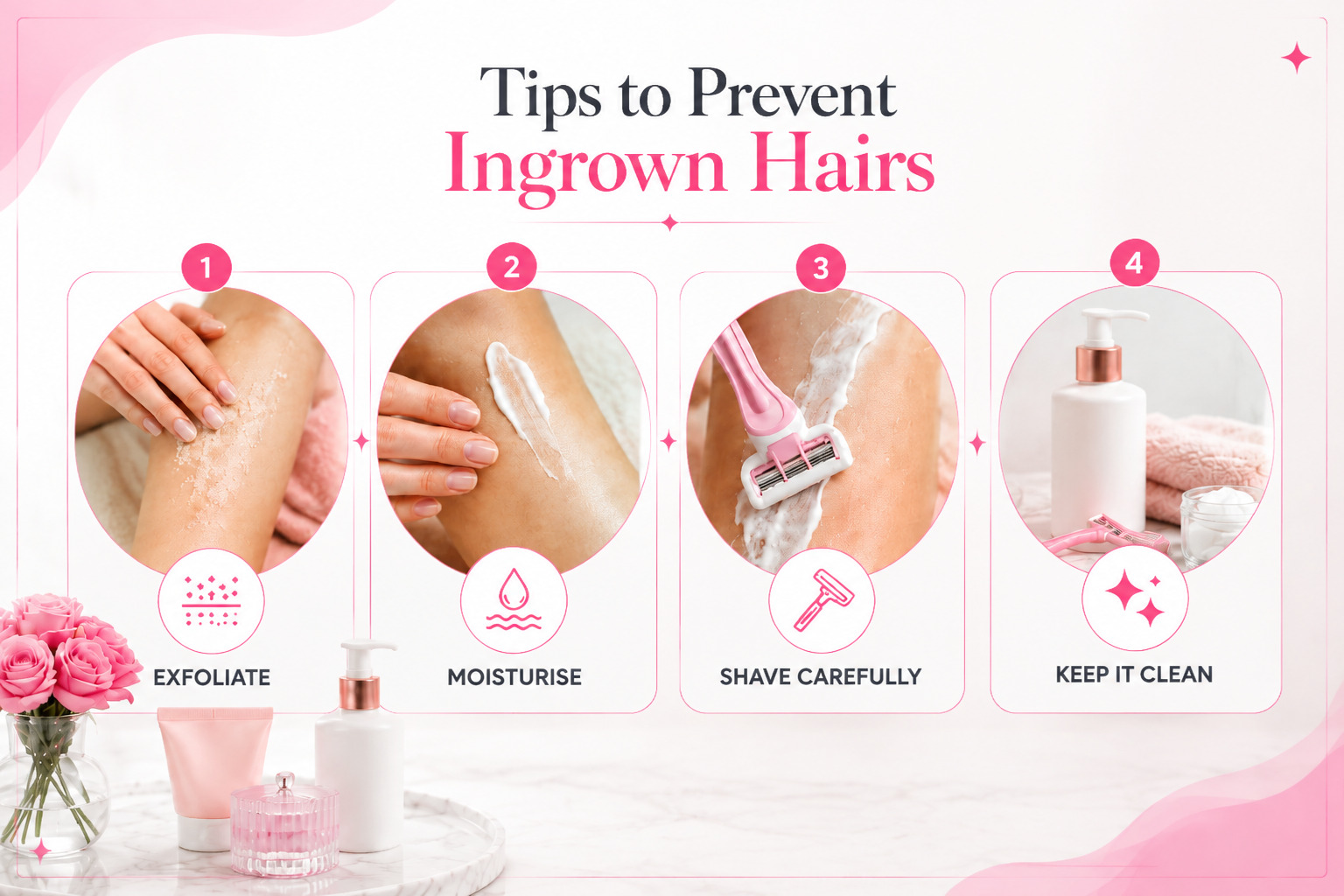
Dealing with one ingrown hair is manageable. Dealing with them constantly suggests the issue starts at the grooming stage. A few habit changes can make a real difference:
- Exfoliate regularly: Products with salicylic acid or glycollic acid help keep pores clear and stop hairs from getting trapped under the surface.
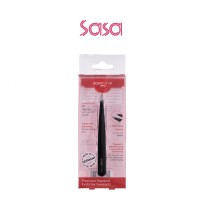
Product: Calamine Spot Off Essence 16ml
- Shaving technique: Always shave in the direction of hair growth, and swap out blades after three to five uses. A dull blade or incorrect blade thickness drags rather than cuts cleanly, which disrupts the follicle.
- Moisturise consistently: Dry skin is more likely to trap hair. A non-comedogenic lotion keeps skin soft enough for hair to grow through without resistance.
Conclusion
Tweezers for ingrown hairs are a precision tool, not just another item rattling around your bathroom drawer. Choosing the ideal pair (specifically a pointed-tip in medical-grade stainless steel) and using the lift-over-pluck technique will save you from the irritation, scarring, and recurring inflammation that comes from doing it wrong. It's a small investment, but the difference it makes to how your skin heals is well worth it.
Frequently Asked Questions (FAQs)
1. What types of tweezers are best for ingrown hair removal?
Pointed-tip (needle-nose) tweezers are your best bet. Their fine tips can isolate a single trapped hair without disturbing the surrounding skin, which slanted or flat-tip tweezers can't reliably do.
2. What features should I look for in tweezers for safe hair removal?
The three things worth checking: medical-grade stainless steel, hand-filed tips for precise alignment, and a firm but responsive spring tension. Get those right and you've got a pair that grips accurately, sterilises easily, and stays aligned over time.
3. How do I safely remove ingrown hairs with tweezers?
Sterilise the tweezers, apply a warm compress to soften the skin, exfoliate gently, then use pointed-tip tweezers to lift the hair above the surface rather than yanking it out. Finish with a mild antiseptic and you're done.
4. Can using the wrong tweezers cause infection or scarring?
Unfortunately, yes. Blunt or misaligned tweezers can break the skin or snap the hair mid-shaft, and unsterilised tweezers introduce bacteria directly into an already irritated follicle.
5. How often should I use tweezers for ingrown hairs?
Only when the hair is actually visible enough to grip safely. Going after the same spot repeatedly before it's had a chance to heal raises the risk of scarring. If it's sitting too deep to reach comfortably, it's worth seeing a dermatologist.
6. Are angled or pointed tweezers better for ingrown hairs?
Pointed, without question. Angled tweezers are great for brows, but they're too blunt to navigate the sensitive skin around an ingrown bump with any real precision.
Author

Mei Ling Cheng is a seasoned beauty expert with over 15 years of experience in professional makeup artistry and skincare consulting. As a leading beauty advisor at Sa Sa Malaysia, she specialises in enhancing natural beauty through innovative techniques and high-quality products. Her expert recommendations have helped thousands achieve flawless, long-lasting looks with confidence.
Featured Products in this Post
$9.00
$29.00
Related Posts
Clay Mask or Scrub First? The Right Order for Clearer Skin

Choosing a Face Mask for Your Skin Type & Skincare Routine
Best Wet Wipes for Sensitive Skin, Face, Body, and Hands Guide