




The skin around the eyes is the thinnest on the face, making it one of the first areas to show tiredness, dehydration, dryness, and sun exposure. In Singapore's heat and humidity, the delicate eye area can easily become puffy or dry by midday.
For many shoppers at Sasa Singapore, the move towards natural and organic eye care comes down to practicality. Gentler formulas may suit sensitive users better, while botanically derived ingredients can provide lightweight hydration without the heaviness of a rich face cream. The best choice still depends on individual skin types and concerns.
Quick Picks at a Glance
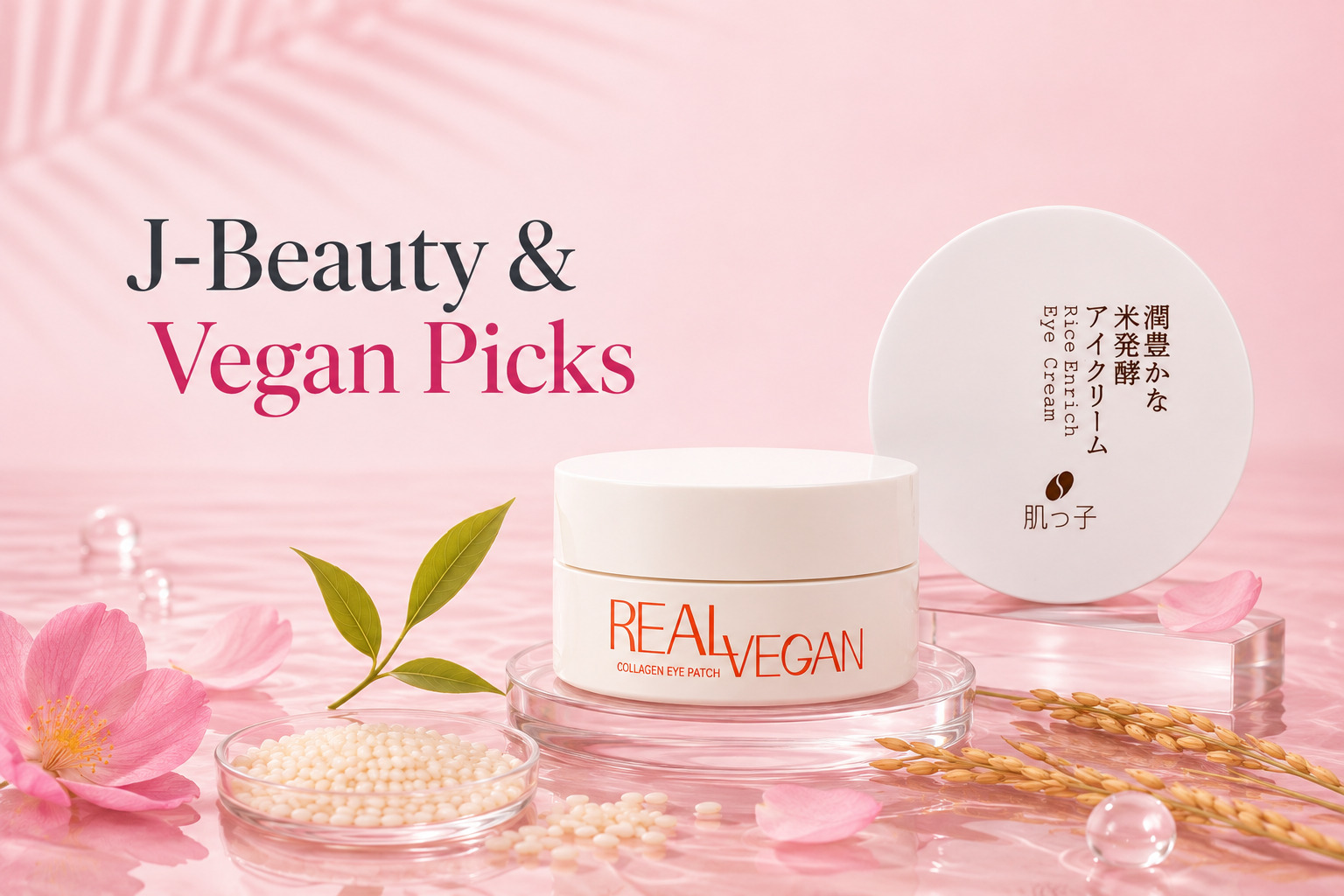
J-Beauty Pick: Hadatuko Rice Enrich Eye Cream
Formulated with fermented rice extract and rice bran extract for antioxidant protection and a more even skin tone around the eyes.
Clean Vegan Alternative: Klavuu Real Vegan Collagen Eye Patch
A 100% vegan treatment using plant-derived collagen to plump and firm the under-eye area without any animal by-products. These patches also offer an easy alternative to traditional eye masks when tired eyes need a quick moisture boost.
Why Choose Natural or Organic Eye Creams?
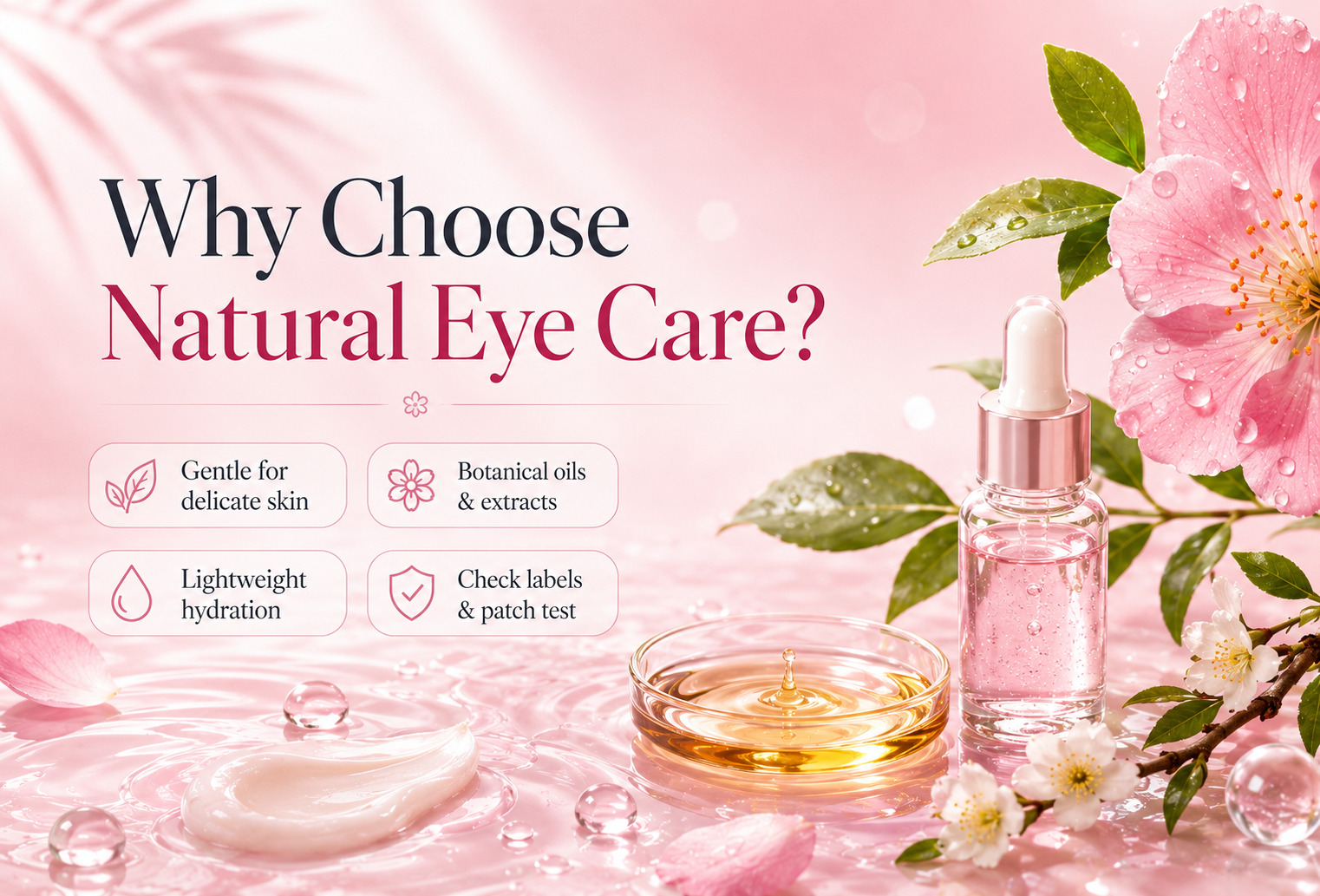
The skin around your eyes absorbs ingredients quickly due to its thin, permeable structure. This can make it more reactive to fragrance, preservatives, or other ingredients that do not suit you.
Natural formulas often focus on plant oils and botanical extracts. Oils such as jojoba and rosehip can provide emollience without a heavy residue, while clean beauty shoppers may also look for certified organic sourcing, vegan formulas, or transparent ingredient lists.
It is still important to remember that 'natural' does not automatically mean 'irritation-free'. Terms such as non-toxic eye creams are broad marketing categories rather than guarantees, so patch testing remains useful even with botanical formulas.
For shoppers comparing organic products, look beyond the label and check whether a formula is organic certified, made from organic ingredients, or made with natural extracts. This distinction makes it easier to choose the best formula for your own routine.
Key Ingredients to Look For
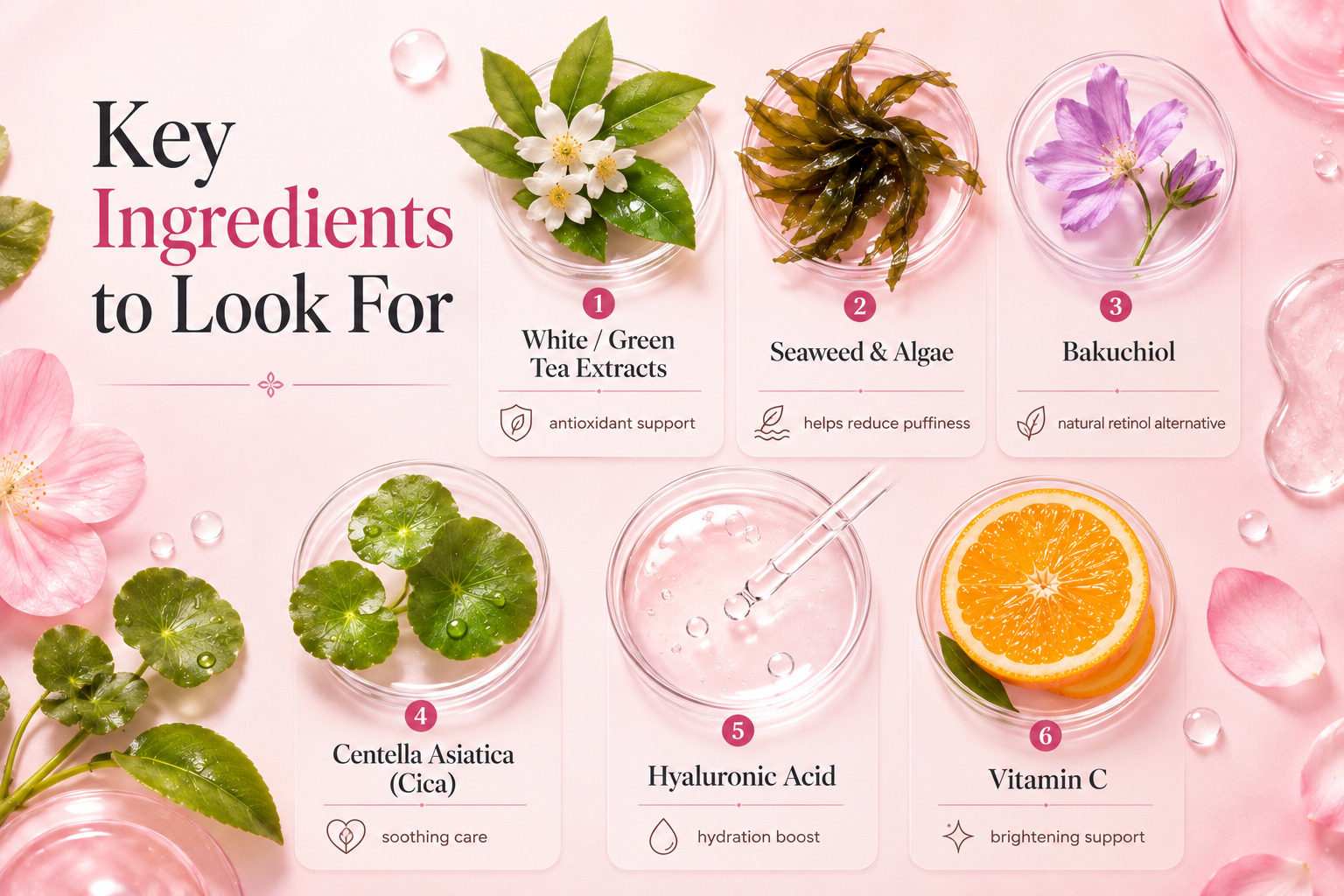
Not all natural ingredients perform equally. These ingredients are commonly used across organic skincare and eye treatment formulas:
- White or Green Tea Extracts: High in polyphenols, which support antioxidant protection and help defend the eye area from environmental stress.
- Seaweed and Algae: Rich in minerals that can help reduce the look of puffiness and provide a mild tightening effect.
- Bakuchiol: Often described as a natural retinol alternative sourced from the Babchi plant. It can support smoother-looking skin without using conventional retinol.
- Centella Asiatica (Cica): Helps soothe the delicate skin around the eyes after exposure to environmental stressors.
- Hyaluronic acid: A useful humectant for dehydration because it helps draw water into the skin.
- Vitamin C: Often used for brightening and antioxidant support, especially in formulas designed to target uneven tone.
Some botanical formulas also use organic aloe for soothing hydration, while fruit-derived exfoliating extracts may be promoted as a natural source of AHAs. Because the skin around the eye area is delicate, exfoliating ingredients should still be used cautiously.
Top Natural and Organic Eye Creams at Sasa Singapore
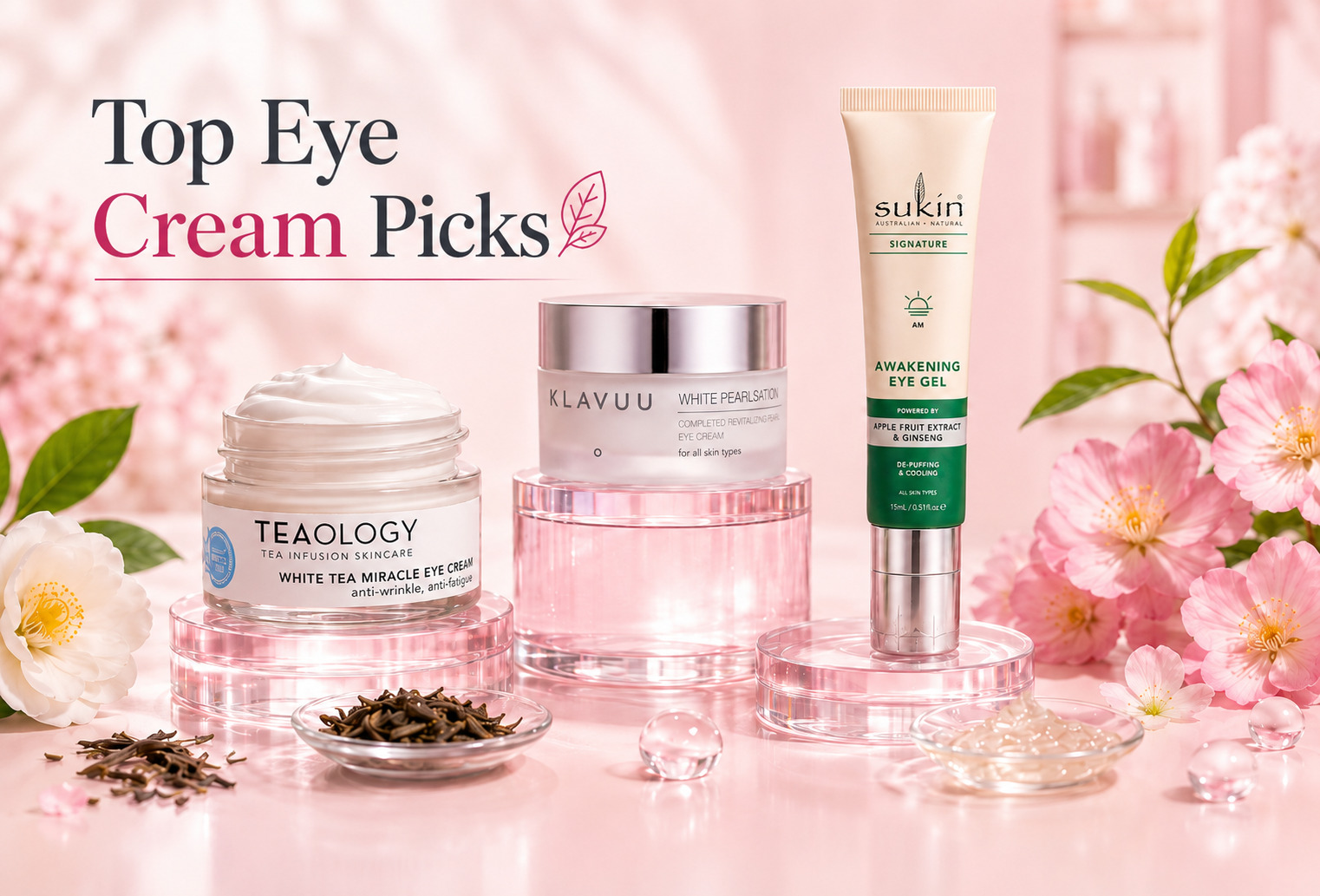
| Brand | Product Name | Best For |
|---|---|---|
| Teaology | White Tea Miracle Eye Cream | Reducing puffiness and fatigue |
| Klavuu | The Revitalising Seaweed Eye Cream | Deep hydration and eco-conscious ingredient positioning |
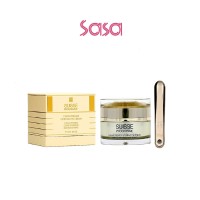
| Suiskin | Birch Sap Vegan Eye Gel | Sensitive skin in high humidity |
| Haruhada | Botanical Brightening Eye Cream | Daily protection and antioxidant support |
These eye cream brands cover different textures and concerns, from a light eye gel to a richer hydrating eye cream. If you prefer a lighter texture, an eye serum can also work well under moisturiser, particularly when you want hydration without a heavier finish.
A good eye cream for dark circles may focus on brightening ingredients, while an eye cream for fine lines may prioritise peptides, bakuchiol, or moisture-retaining ingredients. An eye cream with hyaluronic acid can be especially useful when dehydration makes fine lines look more pronounced.
How to Apply Eye Cream for Best Results
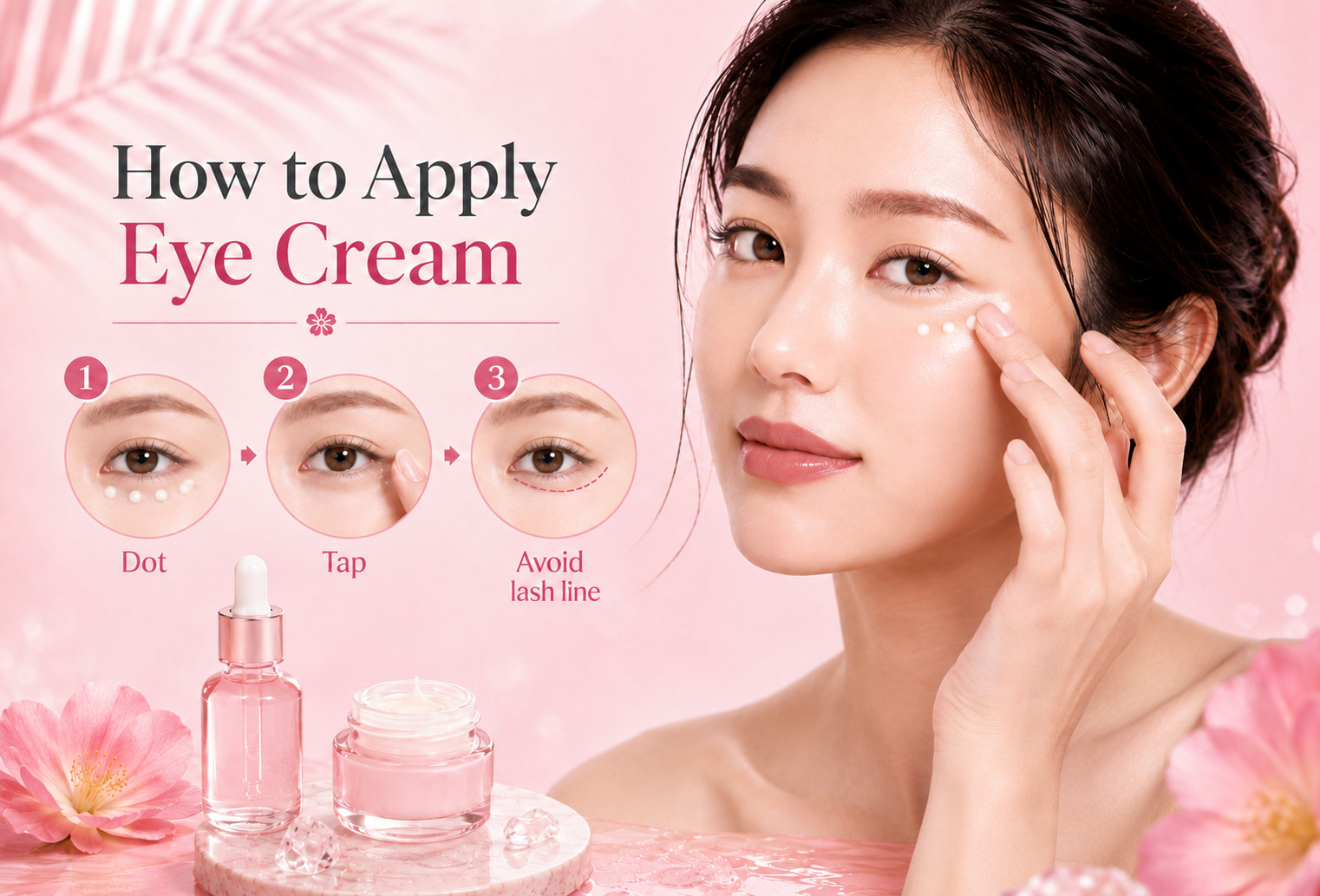
Getting results from a natural eye cream depends as much on technique as on the eye product itself. The most important habit is using your ring finger to apply the product. Because it naturally exerts the least pressure of any finger, it reduces the risk of pulling or stretching delicate skin over time.
Rather than rubbing the cream in, place three to four small dots from the inner corner of the eye outwards towards the brow bone, then tap gently around eye contours along the orbital bone. The skin absorbs moisture inward from this point on its own. Avoid applying too close to the lash line, as this can cause the product to migrate into the eye.
If you use a serum, apply it first and allow it to settle before adding cream. Eye creams and serums can be layered when both formulas are lightweight and compatible.
One practical tip for Singapore's climate is to store your eye cream in a skincare fridge. Applying a chilled formula in the morning constricts blood vessels on contact, which can temporarily reduce the appearance of puffiness before the active ingredients begin their longer-term work.
For a richer routine, a night eye cream or eye balm can be used before bed. A thicker eye texture may suit dryness better than a gel, while a lightweight serum can be useful if you prefer thinner layers.
Tips for Maintaining Healthy Under-Eye Care
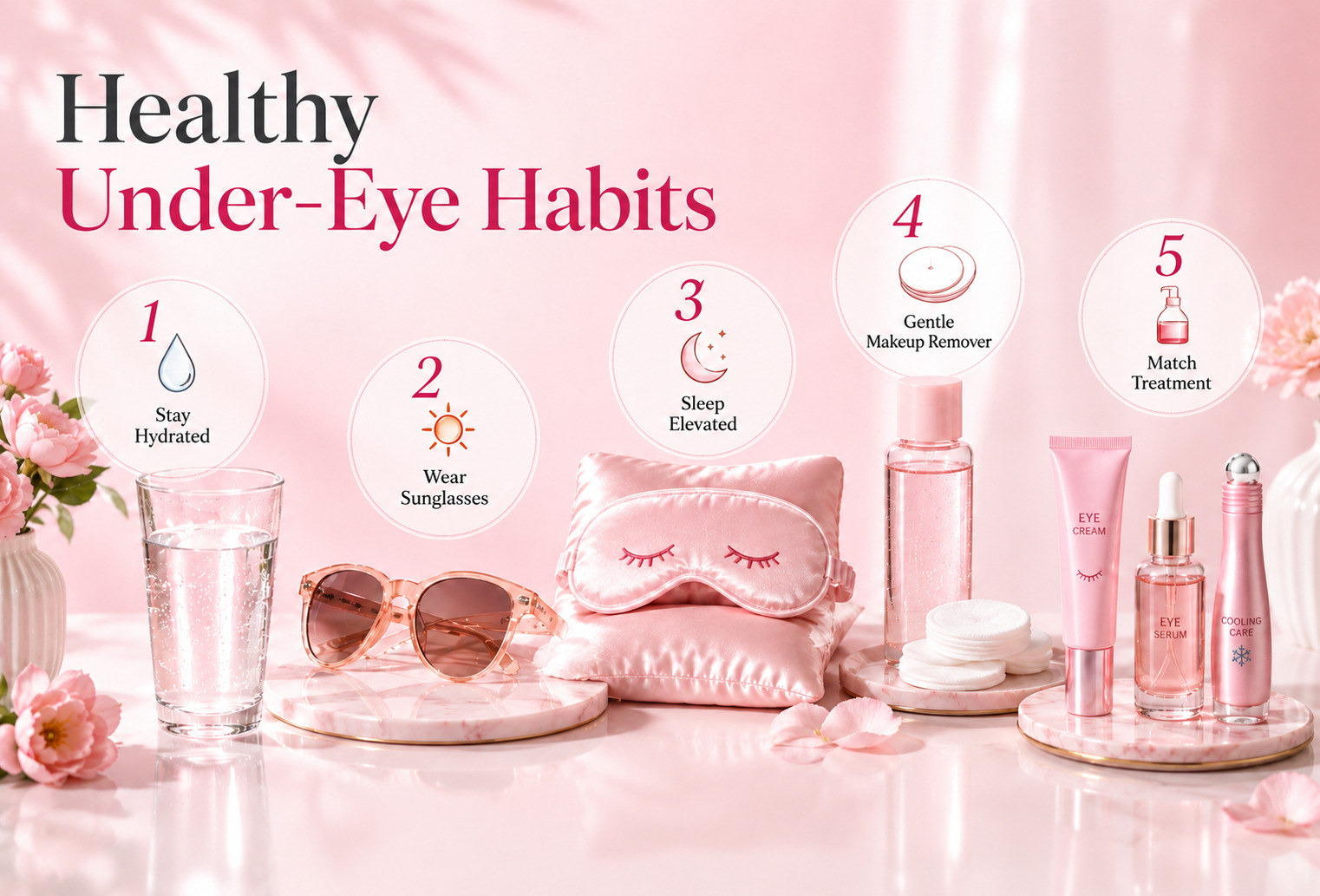
- Stay hydrated. Topical products work better when your skin is hydrated from within. Dehydration shows up quickly as hollowness and can make fine lines and wrinkles more obvious.
- Wear UV-rated sunglasses. Eye creams treat existing concerns, but sunglasses help prevent new sun-related damage. Squinting in bright light also creates repeated muscle contractions that contribute to wrinkles or fine lines around the eyes over time.
- Adjust your sleep position. Sleeping on your back with a slightly elevated pillow reduces the fluid pooling that contributes to eye bags in the morning.
- Use a dedicated eye makeup remover. Rubbing firmly around the eyes with a regular face wash can stress the area. A purpose-made remover requires far less pressure.
- Match treatment to the concern. If your main issue is dark circles and puffy eyes, prioritise brightening and cooling ingredients. If you are more concerned about fine lines and dark circles, focus on hydration and collagen-supporting ingredients. The same approach applies when your priority is dark circles and fine lines.
A well-chosen formula may help brighten dark circles and improve their appearance of dark circles gradually, while moisturising ingredients can support smoothing fine lines and wrinkles by keeping the surface better hydrated. No topical formula can completely fight fine lines and wrinkles caused by every factor, but consistency can improve their visible appearance.
Conclusion
Natural and organic eye creams at Sasa Singapore offer real options for puffiness, dark circles, fine lines, and daily protection. The products work best when matched to your specific concern and applied with care. Whether you prefer a cream, eye serum, or soothing patch, the right texture should feel comfortable on sensitive skin.
With the right formula and a consistent routine, results can build gradually. Look for transparent ingredient lists, sensible claims, and formulas that suit your skin rather than choosing solely because a product is labelled natural or organic.
Explore the full range of natural face and eye care at Sasa Singapore to find the right natural eye cream for your routine.
Frequently Asked Questions (FAQs)
1. Why should I choose natural or organic eye creams?
The under-eye area is thin and can be reactive. Natural formulas often focus on botanical oils and extracts, but the most important factor is whether the formula suits your skin and avoids ingredients that trigger irritation.
2. What are the key ingredients to look for in an eye cream?
White or green tea extracts, seaweed or algae, bakuchiol, centella asiatica, hyaluronic acid, and selected botanical antioxidants are all common options. The ideal combination depends on whether your priority is hydration, puffiness, or pigmentation.
3. Are natural eye creams effective for dark circles and puffiness?
They can help improve the look of dark circles and puffiness when their ingredients match the cause of the concern. Cooling gels may help with temporary swelling, while brightening ingredients may support a more even appearance.
4. Can organic eye creams help reduce fine lines?
Formulas containing bakuchiol, plant-based peptides, or humectants can support hydration and improve the appearance of fine lines over time. Consistency matters more than choosing the richest formula.
5. How should I apply eye cream for the best results?
Use your ring finger to tap small dots along the orbital bone from the inner corner outwards. Avoid rubbing, and use only a small amount so the formula does not migrate into the eye.
6. What should I check on the ingredient list?
Check whether the eye cream contains humectants, soothing botanicals, or antioxidants suited to your concern. A simple formula can be preferable when the eye skin is easily irritated.
7. Can men use natural eye cream?
Yes. A cream for men does not need fundamentally different ingredients from other eye care products. Choose according to skin concern, texture preference, and sensitivity rather than gendered labelling.
8. Should I use a serum or cream around the eyes?
A serum is useful when you want a lightweight layer, while cream or balm provides more occlusion for dry skin. If you have ever thought, "the skin around my eyes feels dry by midday," a hydrating formula followed by a light cream may be more comfortable than one heavy layer.
Author
Mei Ling Cheng is a seasoned beauty expert with over 15 years of experience in professional makeup artistry and skincare consulting. As a leading beauty advisor at Sa Sa Malaysia, she specialises in enhancing natural beauty through innovative techniques and high-quality products. Her expert recommendations have helped thousands achieve flawless, long-lasting looks with confidence.
Featured Products in this Post
Related Posts
Best Eyeliner & Eyeshadow Shades for Your Eye Shape & Skin Tone
Can You Use an Eye Mask and Face Mask Together?
Eyebrow Essentials: Pencils vs Powder for Sensitive Skin

Choose the Best Sleep Mask: Traveling Eye Mask Guide