




When it comes to skincare, questions tend to pop up the moment we stand in front of the mirror. Is this too much product? Did I apply enough? Should I use one pump or two? And one question that almost everyone has wondered at least once is this: is it actually okay to use an eye mask and a face mask at the same time? If this sounds familiar, you are not alone, and this guide is here to clear the confusion.
Multi-masking has grown in popularity because it fits neatly into real life. It allows people to address more than one skin concern in a single skincare routine, especially on busy days when time feels limited. Instead of choosing between treatments, you can multitask while your skin does the same.
At the same time, combining products often raises doubts. People worry about overdoing it, mixing the wrong ingredients, or irritating sensitive areas like the eyes. In this guide, you will learn how face masks and eye mask patches work, when using them together makes sense, and how to do it safely so your routine feels effortless rather than overwhelming.
Eye Mask vs Face Mask — What Each One Targets
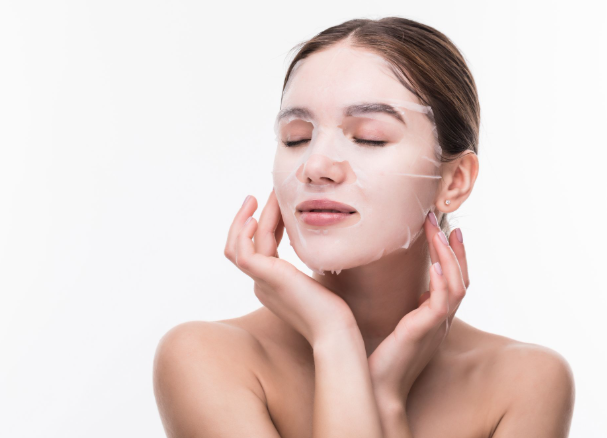
- Face Sheet Mask: Covers the entire face (minus the eye area) — delivers concentrated serum to the complexion for hydration, brightening, soothing, or anti-aging benefits
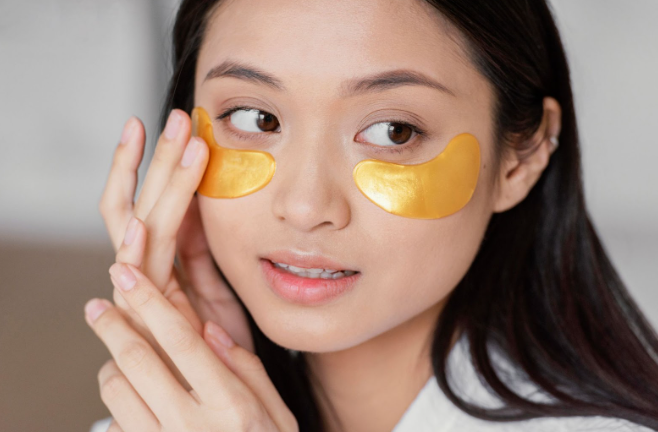
- Eye Mask / Eye Patch: A small crescent or teardrop-shaped mask specifically designed for the delicate under-eye area — targets dark circles, puffiness, fine lines, and dehydration with specialised actives like Caffeine, Peptides, and Collagen
How to Use Eye Masks and Face Masks Together
- Step 1: Cleanse your face thoroughly — both mask types work best on clean, freshly cleansed skin
- Step 2: Apply your eye patches first — position them correctly on clean, dry under-eye skin
- Step 3: Apply your face sheet mask on top — the eye patches sit comfortably underneath the face mask's eye cutouts
- Step 4: Lie back and relax for 15–20 minutes — both masks work simultaneously
- Step 5: Remove the face mask first, then gently peel off the eye patches
- Step 6: Pat remaining essence into skin and follow with moisturiser
The Best Combinations for Maximum Results
- Dark circles + Dullness: Caffeine or Vitamin C eye patches + Brightening Vitamin C or Niacinamide face mask
- Puffiness + Dehydration: Cooling Cucumber or Gold eye patches + Hydrating Hyaluronic Acid face mask
- Fine lines + Anti-aging: Peptide or Collagen eye patches + Peptide or Retinol-infused face mask
- Sensitivity + Redness: Aloe Vera or Centella eye patches + Cica or Allantoin soothing face mask
Understanding the Purpose of Each Mask
Face masks play a supportive role in overall skin health. Depending on the formula, they can hydrate dry skin, draw out impurities, brighten dull areas, or deliver targeted treatment benefits. A hydrating face mask adds moisture to your skin. A cleansing or treatment mask helps improve texture or balance oil.
Eye mask patches serve a different purpose altogether. The skin around the eyes is thinner and more fragile than the rest of the face, making it a truly delicate eye area. This is also why it often shows early signs of ageing, such as fine lines, dryness, or loss of firmness.
Many eye masks are formulated with gentle humectants like butylene glycol and dipropylene glycol, which help attract and retain moisture without overwhelming the skin. These ingredients are commonly used because they hydrate effectively while remaining lightweight and suitable for sensitive areas.
Because the eye area lacks oil glands and loses moisture easily, it needs specialised care. Treating it the same way as the rest of the face can lead to dryness or irritation. Knowing this difference helps us understand why these two masks exist separately. It also shows why they can sometimes work well together.
Can You Use a Face Mask and Eye Mask Together? (The Short Answer)
Yes, you can use both at the same time when you apply them correctly. Multi-masking works best when each product stays in its intended area and supports the skin rather than competing with it.
Using both masks together is helpful. It hydrates your face and targets tired eyes, early signs of aging, or puffiness. It can feel unnecessary if your skin already feels balanced or if you are dealing with irritation.
Those with very reactive skin, active rashes, or post-treatment sensitivity should avoid combining masks. In these cases, keeping the skincare routine simple allows the skin to recover without added stress.
The Right Way to Layer Your Masks
Start with clean skin. Always cleanse thoroughly so both masks can work on a fresh surface. Apply the eye mask patch first, placing it gently under the eyes without stretching the skin. This step protects the delicate eye area from contact with stronger face mask formulas.
Next, apply your chosen face mask product, avoiding the eye area completely. This order prevents face mask residue from spreading too close to the eyes and keeps the delicate skin protected.
Timing matters. Follow the recommended duration for each product, usually ten to twenty minutes. Leaving masks on for longer does not improve results and can lead to dryness. For most people, multi-masking one to two times a week is enough to support healthy skin without overdoing it.
Common Mistakes to Avoid
One common mistake is combining incompatible ingredients. Strong acids, retinoids, or highly active treatments should not be used alongside eye mask patches, as they can irritate the surrounding skin.
Another issue is over-masking sensitive areas. Using face masks too close to the eyes can cause puffiness or discomfort. This is especially true if the mask is thick or heavy.
Leaving masks on for too long is another trap. More time does not equal better results. Skin absorbs what it needs within the suggested window. Ignoring skin type differences can also cause problems, as oily, dry, and sensitive skin all respond differently.
Understanding Why Acne Forms
Acne is caused by a combination of factors: excess sebum production, dead skin cell buildup, Cutibacterium acnes (acne-causing bacteria), and inflammation. In Singapore, hormonal fluctuations, heat, sweat, and heavy sunscreen or makeup can all accelerate or worsen breakouts.
Before treating acne, identifying the type helps you choose the most effective approach.
- Blackheads (open comedones): Oxidised sebum and dead cells in open pores — not caused by dirt
- Whiteheads (closed comedones): Clogged pores with a skin layer over them — often precursors to inflammatory acne
- Papules: Small, red, raised spots — mildly inflamed acne
- Pustules: Red spots with a white or yellow centre — inflamed and contain pus
- Cystic Acne: Deep, painful, under-the-skin nodules — the most severe form, often hormonal
Fast-Acting Treatments for Active Breakouts
- Benzoyl Peroxide (2.5–5%): Kills acne-causing bacteria directly on contact. One of the most clinically proven acne treatments — apply as a spot treatment to active spots only. Can cause dryness and bleach fabric
- Salicylic Acid (BHA): Penetrates pores and dissolves the sebum and dead skin cell buildup causing the blockage. Best for blackheads, whiteheads, and mild inflammatory acne
- Niacinamide (10%): Reduces sebum production, calms inflammation, and fades post-acne marks. Can be used all over the face without irritation — a strong everyday anti-acne active
- Sulphur: An underrated spot treatment active — dries out active spots, reduces bacteria, and clears pores without the harshness of Benzoyl Peroxide
- Acne patches (Hydrocolloid): Stick directly onto a spot to absorb fluid, protect from picking, and reduce inflammation overnight. One of the fastest visible improvements for surface-level spots
What NOT to Do During a Breakout
- Do not pop or squeeze: Spreading bacteria and pushing infection deeper into the skin — guaranteed to worsen inflammation and increase scarring risk
- Do not over-dry: Using multiple harsh actives simultaneously strips the skin barrier and triggers rebound oil production — more breakouts, not fewer
- Do not skip moisturiser: Even oily, acne-prone skin needs hydration. Dehydrated skin over-produces oil as compensation. Use a lightweight, oil-free gel moisturiser
- Do not change your entire routine: Introducing new products during a breakout creates confusion about what's helping or hurting. Treat the active breakout first, then adjust the routine
Product Tips: How to Choose the Right Pair
Choosing the right combination starts with understanding your skin concerns. A hydrating face mask pairs well with a cooling eye mask when skin feels tired or dehydrated. Brightening masks work best alongside gentle eye patches that focus on moisture rather than active ingredients.
Certain ingredients complement each other well, such as hyaluronic acid for hydration or soothing botanical extracts. Avoid pairing strong exfoliants with eye masks.
Sheet masks offer lightweight hydration, clay masks focus on purification, and gel masks provide a refreshing feel. First time users should always do a patch test and start with shorter wear times to see how the skin reacts.
Smarter Masking, Healthier Skin
Using an eye mask and a face mask at the same time can be a helpful part of a balanced routine when done with care. The key is understanding what your skin needs and choosing products that work together rather than overwhelm it.
Listening to your skin matters more than following trends. Some days call for multi-masking, while others benefit from simplicity. Paying attention to how your skin feels will guide better choices over time.
By keeping routines flexible and respecting skin limits, face mask skincare becomes easier. It focuses on long-term skin health. This approach fits naturally into everyday life.
Frequently Asked Questions (FAQs)
1. Can I combine masks with active ingredients?
Yes, if the active ingredients are mild and compatible. Avoid layering strong ingredients together, as this can irritate the skin.
2. Can I layer cooling eye masks with face masks?
Yes. Cooling eye masks pair well with most face masks and help soothe the eye area while the face mask works.
3. Is it safe to layer masks if I have sensitive skin?
It can be, but only with gentle, calming formulas. Skip multi-masking if your skin feels reactive or uncomfortable.
4. Should I apply serum or moisturiser before or after masking?
After masking. Apply masks on clean skin, then follow with serum and moisturiser to lock in benefits.
5. Do I need to patch-test before using masks together?
Yes. Patch-testing helps prevent unexpected reactions, especially when combining products.
6. How many face masks should I use per week?
One to two times per week is enough for most skin types. You can use hydrating masks slightly more often.
Author
Mei Ling Cheng is a seasoned beauty expert with over 15 years of experience in professional makeup artistry and skincare consulting. As a leading beauty advisor at Sa Sa Malaysia, she specialises in enhancing natural beauty through innovative techniques and high-quality products. Her expert recommendations have helped thousands achieve flawless, long-lasting looks with confidence.
Featured Products in this Post
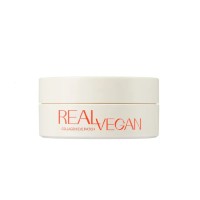
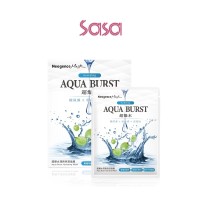
Related Posts
How to Dry Hair Without Causing Frizz or Breakage | Correct Technique Guide
Best Cleansing Oils & Balms for Removing SPF and Makeup Singapore
Aloe Vera Benefits for Skin | What It Does and How to Use It

How to Get Clear Skin in Singapore's Humid Climate | Skincare Tips & Routine
Best Natural and Organic Eye Creams at Sasa Singapore