




Retinol has officially stolen the spotlight in 2026, and honestly, it deserves it. Known as a “skincare powerhouse”, it is capable of tackling anti-ageing, acne, and skin texture concerns. Retinol is powerful. It speeds up cell turnover, smooths fine lines, and brightens skin, making it highly recommended for those with signs of ageing, acne, dullness, or an uneven complexion. It has quickly become known as the holy grail of anti-ageing ingredients.
Brands are now introducing variations of retinol products to target specific skin concerns. While many skincare products promise miraculous results, retinol is genuinely effective. However, many users still ask the same question: what should I pair with my retinol serum to get results without irritation? The answer lies in smart skincare pairing with retinol, choosing ingredients that support hydration, barrier repair, and skin renewal. When paired with the right ingredients, retinol’s results can be amplified while minimising irritation.
In this article, we unveil the perfect retinol pairings, explain what to combine with retinol, and highlight which ingredients to use or avoid with retinol serum to help you achieve the radiant complexion you’ve dreamed of.
The Best Ingredients to Pair with Retinol
- Hyaluronic Acid: The perfect retinol companion — counteracts retinol's drying effect by providing deep hydration without interfering with retinol's action. Apply HA serum before retinol, or use a moisturiser with HA after
- Niacinamide: Calms retinol-induced redness and irritation, strengthens the skin barrier, and complements retinol's pore-refining and sebum-controlling effects. Apply niacinamide serum before retinol in your routine
- Ceramides: Repair and reinforce the skin barrier, which retinol temporarily makes more permeable. Use a Ceramide-rich moisturiser after retinol every night
- Peptides: Complement retinol's collagen-stimulating effects — work together to improve firmness and reduce fine lines. Peptide serum in the AM; retinol in the PM is the perfect split
- SPF 50+ (morning): Non-negotiable when using retinol. Retinol increases UV sensitivity — every retinol user must wear SPF every single morning
What NOT to Mix with Retinol
- Vitamin C (L-Ascorbic Acid): Together in the same routine step they can cause irritation and destabilise each other. Separate them: Vitamin C in the AM, Retinol in the PM
- AHA/BHA Exfoliants: Using acids and retinol simultaneously causes compounded exfoliation that damages the skin barrier — redness, peeling, and sensitivity. Use exfoliants and retinol on alternate nights
- Benzoyl Peroxide: Can oxidise and deactivate retinol, as well as causing significant dryness and irritation when used together. Alternate nights
- Strong physical scrubs: Physical exfoliation on retinol skin is too much — save scrubs for the nights when you don't use retinol
The Ideal Retinol Routine
- Evening only: Cleanser → Niacinamide serum → Retinol serum (apply to face avoiding eye area) → Wait 10–15 minutes → Ceramide moisturiser
- Buffering technique (for sensitive or new users): Apply retinol serum on top of your moisturiser instead of under it — the moisturiser acts as a buffer, reducing strength and irritation while still allowing retinol to work
- How to build tolerance: Start with 2x per week for 4 weeks, then 3x per week, then 4–5x per week. Most people reach comfortable daily use within 3–6 months
- The purge: Retinol often causes a brief breakout in weeks 2–4 as it accelerates cell turnover, surfacing congestion that was forming under the skin. This is normal — push through it. It resolves within 4–6 weeks
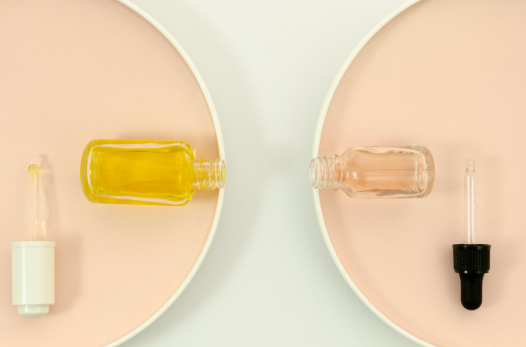
Best Ingredients to Pair with Retinol
To achieve your dream skin in a gentler and more effective routine, you can pair your retinol with other ingredients. This approach strengthens your retinol pairing skincare routine by boosting its anti-ageing power and, crucially, counteract its common side effects like dryness, peeling, and irritation, by adding hydrating and barrier-strengthening components.
Here are the best ingredients to pair with retinol:
a. Niacinamide – For Balance & Barrier Support
Niacinamide helps reduce redness, strengthen the skin barrier, and regulate oil production.
It allows the skin to tolerate retinol better, making it an excellent choice for beginners and sensitive skin types.
b. Hyaluronic Acid – For Deep Hydration
Retinol can be drying, which is where hyaluronic acid comes in. This ingredient keeps skin hydrated and plump, helping to offset tightness and flaking.
It can be applied before or after retinol, depending on the product formulation.
c. Peptides – For Collagen Boost
Peptides work synergistically with retinol to improve firmness and elasticity.
This pairing is ideal for anti ageing routines focused on smoother, more resilient skin.
d. Ceramides – For Barrier Repair
Ceramides replenish essential lipids in the skin barrier, reducing irritation, flaking, and moisture loss.
They are especially beneficial for dry or sensitive skin using retinol.
e. Bakuchiol – For Gentle Amplification
Bakuchiol is a plant based alternative that can enhance retinol’s effects with less irritation.
When used in low concentrations together, it supports smoother skin while remaining gentle.
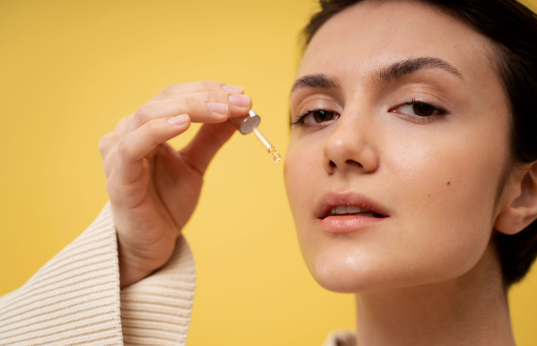
Ingredients That Can Be Paired, But in Different Routines
Some active ingredients work well with retinol, but not when used in the same routine. Used in the same application, these ingredients can cause severe irritation, redness, and a compromised skin barrier. To get the benefits of each without stressing your skin, use these ingredients at different times of the day or on alternate nights.
Here are the ingredients that you can use in alternate application:
a. Vitamin C – For Skin Brightening
- Retinol and vitamin C are powerful when used at different times of day. Vitamin C works best in the morning to brighten and protect the skin, while retinol should be used at night.
Together, they improve tone, radiance, and the appearance of fine lines.
b. AHAs/BHAs - For Improved Skin Texture
- These exfoliating acids can lead to over-exfoliation, dryness, and sensitivity when combined with retinol.
Use them on alternate nights instead of in the same routine

What Ingredients to Use or Avoid With Retinol Serum
Some ingredients should never be used together with retinol in the same routine. Applying them at the same time can cause severe irritation and may reduce retinol’s effectiveness.
If you want to use them at all, they must be applied on completely separate routines or times of day. And as always, sunscreen is essential when using retinol.
Here is the ingredient you must avoid:
a. Benzoyl Peroxide
- Benzoyl peroxide can deactivate retinol and cause extreme dryness.
- Use them on completely separate nights if both are part of your routine for acne treatment.
Conclusion
To get the most out of your retinol routine, remember this simple rule: Retinol delivers best results when used with hydrating, barrier-strengthening, and collagen-boosting ingredients. Think: “Retinol + Support System”, not just “Retinol alone.”
Night time is the most effective period to use retinol, as reduced sun exposure allows the skin to focus on repair and renewal. With consistency, patience, and proper sun protection, retinol can become one of the most transformative steps in your skincare routine.
Frequently Asked Questions (FAQs)
1. How do I layer retinol correctly?
Apply retinol on clean, dry skin in the evening. Start with a pea sized amount and follow up with hydrating ingredients like hyaluronic acid, ceramides, or a moisturiser to support the skin barrier. If you have sensitive skin, you can apply moisturiser first, then retinol, and seal with another light layer of moisturiser.
2. What ingredient brightens skin when used with retinol?
Niacinamide and peptides help improve skin tone and radiance when paired with retinol. For daytime brightening, vitamin C works beautifully but should be used in the morning, while retinol is reserved for night use.
3. Should I use sunscreen when using retinol?
Yes, always. Retinol increases skin sensitivity to sunlight, so daily sunscreen is essential to prevent irritation, sun damage, and premature ageing. Even if you only use retinol at night, SPF in the morning is non-negotiable.
4. How do I know if my skin is over-exfoliated from retinol?
Signs include persistent redness, stinging, peeling, tightness, or a burning sensation. If this happens, pause retinol use, focus on hydration and barrier repair with ceramides, and reintroduce retinol slowly once the skin has recovered.
5. Can retinol be used on sensitive or acne-prone skin?
Yes, but with caution. Choose a low strength retinol, pair it with soothing ingredients like niacinamide and ceramides, and use it only a few nights a week at first. Avoid mixing it with strong exfoliants to reduce irritation.
6. Is it normal to purge when starting retinol?
Yes, mild purging can occur as retinol speeds up cell turnover. This may look like small breakouts in areas where you normally get acne. It typically settles within a few weeks as the skin adjusts.
7. Who can use retinol serum?
Retinol is suitable for most people dealing with signs of ageing, acne, dullness, or uneven texture. Beginners, sensitive skin types, and younger users should start with gentle formulas and low frequency use to build tolerance over time.
Author

Mei Ling Cheng is a seasoned beauty expert with over 15 years of experience in professional makeup artistry and skincare consulting. As a leading beauty advisor at Sa Sa Malaysia, she specialises in enhancing natural beauty through innovative techniques and high-quality products. Her expert recommendations have helped thousands achieve flawless, long-lasting looks with confidence.
Featured Products in this Post
Related Posts
How to Dry Hair Without Causing Frizz or Breakage | Correct Technique Guide

Best Facial Tools for Your Skincare Routine | Gua Sha, Rollers & Cleansing Devices

Aloe Vera Benefits for Skin | What It Does and How to Use It

How to Get Clear Skin in Singapore's Humid Climate | Skincare Tips & Routine