




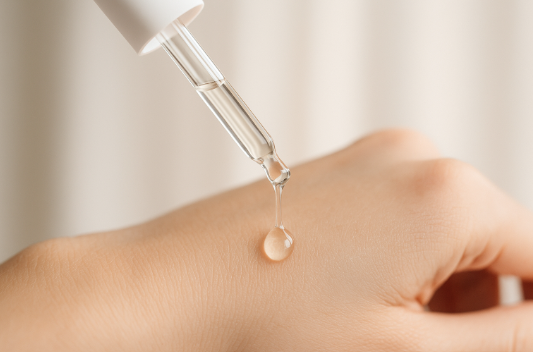
Is a face serum worth your money? Here’s the short setup. A face serum is a lightweight, fast-absorbing liquid formulation that contains higher concentrations of the “active” ingredients. Serums are applied to the face after cleansing and before moisturizer. It’s not a moisturizer, SPF, or anything else that you might be replacing.
The question is value. If you want to go beyond the basics and target specific skin goals, a serum can help you get there. The final step of your AM routine should always be SPF. Nights are when you introduce any treatment steps. Ordering is simple: cleanse → (toner) → serum → moisturizer → SPF (daytime only) or cleanse → (toner) → serum or retinol → moisturizer (nighttime only).
In this guide, we’ll answer the yes/no up front, then map one concern to one active—vitamin C for tone, retinol for texture, hyaluronic acid for dryness, and niacinamide for oil and redness—followed by clear steps, timing, and common mistakes that waste product.
Decide When to Use a Face Serum
Buy a serum only when you have a specific goal (dark spots, fine lines, dullness, dehydration) AND you’re willing to apply it faithfully every day for 8–12 weeks. No serum? Good! If you’re happy with moisturizer + SPF, or you know you don’t have the discipline to add yet another step, then don’t add it. If you do buy a serum, pick one serum for one goal; apply it consistently; come back on pre-planned dates to see if you’re making progress.
What a Face Serum Does in Skin Care
Serum is a lightweight liquid with a higher dose of active ingredients, focused on one benefit: vitamin C contributes to even tone, retinol improves texture, hyaluronic acid pulls water into skin for a more hydrated feel, and niacinamide may help to balance sebum production and visibly soothe redness.
It doesn’t replace moisturizer or SPF—it works with them to focus on that single result.
Find the Right Serum for Your Skin Type
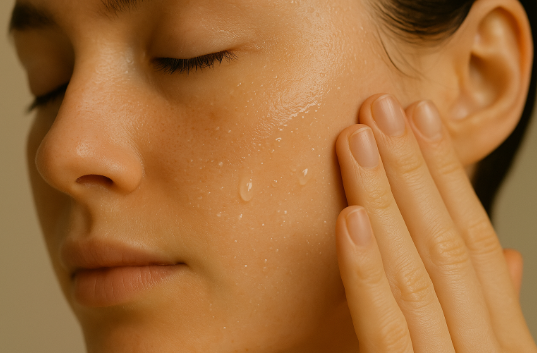
Dark spots / uneven tone (AM) → Vitamin C
Look for 10–20% L-ascorbic acid or a well-stabilized form. Pair with SPF every morning. Review results after 8–12 weeks.
Fine lines/texture (PM) → Retinol
Apply a pea-sized amount 2–3 nights per week to start, then as your skin adjusts, you can gradually increase. Of course, follow with moisturizer. Leave out SPF in the AM, though. Expect a smoother texture first; lines soften over months.
Dehydration/tight feel (AM/PM) → Hyaluronic acid
A few drops to slightly damp skin; pat to spread, then apply moisturizer to seal. Serum pulls in water, so using too much will lead to pilling.
Redness/oil / visible pores (AM/PM) → Niacinamide
Begin at 2–5%. Helps calm, smooth, and balance oil over several weeks. Patch test if you’re sensitive.
Quick picks by routine:
Day: cleanse → (toner) → serum → moisturizer → SPF
Night: switch to retinol when needed.
Stick to one main activity at a time for steady progress.
How to Layer Without Wasting Money
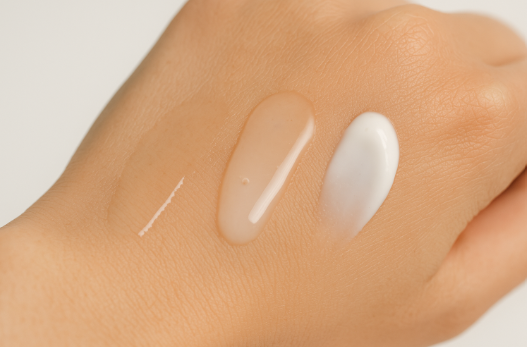
Layer from light to rich so actives reach the skin first: cleanse → (toner) → serum → moisturizer → SPF in the morning. This helps each step work well.
Use only a few drops of serum—more isn’t better. Most formulas spread easily in thin layers.
Daytime: Pair vitamin C with SPF. It provides added insurance when layered underneath sunscreen.
Night: Avoid applying acids with retinol (can be irritating). If using both, apply them at different times.
Feeling a bit of pillage? Slow it down. Use less product and allow time between steps. End with a moisturizer and then apply makeup.
For hydration: Apply hyaluronic acid underneath moisturizer.
Take one step at a time with one major activity. Assess with the before and after photos (and in the mirror daily), and use SPF daily. This way, you can simplify and keep your routine streamlined and effective.
Budget and Time: Should You Use a Serum?
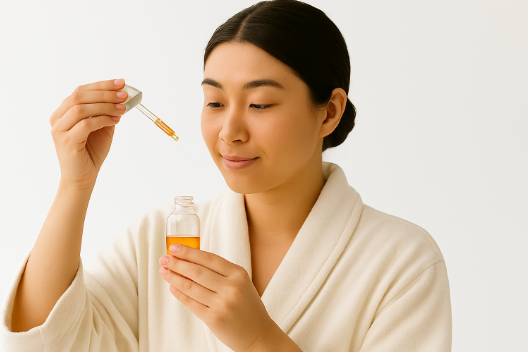
Start with one clear goal (dark spots, fine lines, dullness, or dehydration).
- Yes: add a serum and use it daily with SPF.
- No: keep it simple with moisturizer + SPF first.
If brightening is your goal, use vitamin C in the morning with SPF; review at 8–12 weeks.
For texture/lines: apply retinol at night, use the lowest concentration possible, start slow, and keep your SPF handy during the day.
For tight/dry skin: apply hyaluronic acid under moisturizer and use just a few drops on your fingertips.
For redness/oil/pores: start with niacinamide 2–5% and give it a few weeks (you can also use niacinamide + retinol when products are separated).
Time & money check: pick one serum that fits your top concern and stick with it. Take simple photo notes every few weeks. If you can’t keep the extra step now, stay with moisturizer and SPF and revisit later.
How to Test Results After You Use Face Serum
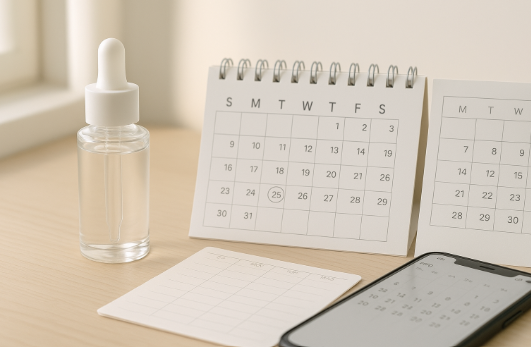
Patch test first. Apply the new serum on a small area twice daily for 7–10 days using the same amount you’ll use on your face. Pick a place that won’t rub off or be hidden by clothing (inner arm is good). If there is strong redness, stinging, or swelling, STOP.
Set a photo routine. Facial skin should be clean and makeup-free. Snap the front, left, and right sides in the same place (inner arm) and in the same position and lighting. Repeat every 2 weeks (or once a month for the less motivated).
Respect timelines. Vitamin C + SPF often needs ~3 months for tone changes. Retinol may smooth texture in a few weeks, with bigger shifts later. Keep SPF daily.
Skin comfort. If stinging or flaking occurs, decrease the frequency of use or add a moisturizer on top of the serum. For long-term skin hydration, continue to use hyaluronic acid under moisturizer. Check back in weeks 4, 8, and 12.
Goal check. If you like your progress photos and mirror reflection (fewer dark spots, fine lines, dullness, and dehydration), then stay the course with your regimen. If not, rotate to a different active—or stop and return to moisturizer + SPF while you troubleshoot further.
Common Mistakes When You Use a Serum
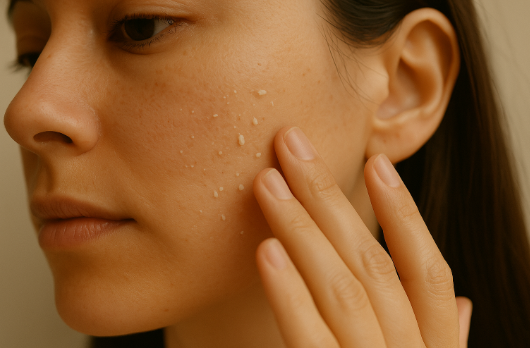
Skipping SPF with daytime actives. Vitamin C supports protection but never replaces SPF. Wear sunscreen every morning and reapply.
Mixing clashes. Don’t pair retinol with strong acids in the same session. Alternate nights, or keep acids for AM with SPF.
Adding too much, too fast. Introduce one new serum at a time and patch test. Stop if you see strong redness or burning.
Overusing the product. A few drops are enough. Apply a thin layer, pause briefly, then moisturize (and apply SPF in the day).
Rushing retinoids. Start low and slow at night; a pea-sized amount covers the face. Keep daily SPF.
Judging too soon. Give vitamin C and retinol for several weeks. Track simple photos before you switch.
Top Face Serums: Hydrating and Anti-Aging
Match one face serum to one goal. Here are simple picks you can shop now:
Brightening/dark spots/dullness → vitamin C
Suisse Programme GIGAWHITE Hi-Vitamin C Radiance Recovery Treatment — premium brightening ampoules. Wear SPF in the day.
Fine lines/texture → retinol
Dr.Different Vitalift-A Forte 0.1% Retinal — potent night treatment; start low and go slow, keep SPF daily.
Dehydration/tight feel → hyaluronic acid (AM/PM)
Suisse Programme HYDRAO Recovery Serum — deep hydration; layer under moisturizer.
Oil control/visible pores/redness → niacinamide (AM/PM)
Rexaline Crystal Bright Serum — brightening formula with a targeted niacinamide complex.
How to use with your routine: cleanse → (toner) → chosen serum → moisturizer → SPF in the morning; use retinoid at night only. Use a few drops and give it 8–12 weeks before you judge results.
Pick the right serum for your goal and check out the Sasa Singapore website now—add one to your cart today and start your week-0 photo so you can track real progress.
Frequently Asked Questions (FAQs)
1. Do I really need a serum?
If you have a clear skin concern, you may need a serum. Face serums are lightweight, and serums are light, so you need a few drops, and they absorb fast; serums are formulated to target specific skin concerns and help boost results from other skincare products. In short, serums work best when you choose a serum that fits your skin type and concerns—pick a serum that’s focused on concerns, and you’ll likely feel they’re worth it. That’s everything you need to know to start.
2. Which serum is right for my skin type?
Match the serum for your skin type to your goal and skin type: a hydrating serum or a hyaluronic acid serum suits dry skin; an anti-aging serum helps with wrinkles, collagen support, and skin elasticity for mature skin; and a skin-brightening serum evens skin tone. For sensitive skin, pick a gentle skin serum and patch test. These are common types of face serums—there are many different serums, so pick the right serum for your skin's needs.
3. How do I apply serum in my skin care routine?
Start with clean skin, then apply serum—about three drops of serum—to face and neck; yes, that means you’ll apply it to face and neck evenly. Apply your serum before serum and a moisturizer in your skincare routine, and add serum to your routine after toner. You can layer serums, but keep it simple: use a retinol or a single retinol serum at night as your night serum. In your morning skincare routine, finish with sunscreen to protect your skin.
4. Are acid serums right for dull skin?
An acid serum, such as a glycolic acid serum, can smooth the top layer of the skin (outer skin layers) and lift dullness, helping you smooth the skin for glowing skin. Look for a serum that contains gentle acids and hydrating agents to hold water in the skin; many are serum-based blends. Because serums may tingle, pick one based on the skin tolerance you have and go slow; a face serum may cause skin issues if overused.
5. What results should I expect—and how long do they take?
Use an antioxidant in the day to support and protect your skin and treat skin aging and signs of aging (and other signs of skin aging) over time; think of a serum as a targeted boost with clear benefits of serums and face serum benefits. A serum won’t do everything—serum is also just one step—so pick the serum that is right for your goal and stick with it; like serums, routines take time to work and help keep your skin on track. For brightening, tone, or hydration, the type of serum you choose matters, and a steady routine leads to the benefits of face care and steadier results.
Author

Mei Ling Cheng is a seasoned beauty expert with over 15 years of experience in professional makeup artistry and skincare consulting. As a leading beauty advisor at Sa Sa Malaysia, she specialises in enhancing natural beauty through innovative techniques and high-quality products. Her expert recommendations have helped thousands achieve flawless, long-lasting looks with confidence.
Featured Products in this Post
Related Posts

How to Dry Hair Without Causing Frizz or Breakage | Correct Technique Guide
Best Cleansing Oils & Balms for Removing SPF and Makeup Singapore
Best Facial Tools for Your Skincare Routine | Gua Sha, Rollers & Cleansing Devices
Aloe Vera Benefits for Skin | What It Does and How to Use It

How to Get Clear Skin in Singapore's Humid Climate | Skincare Tips & Routine