




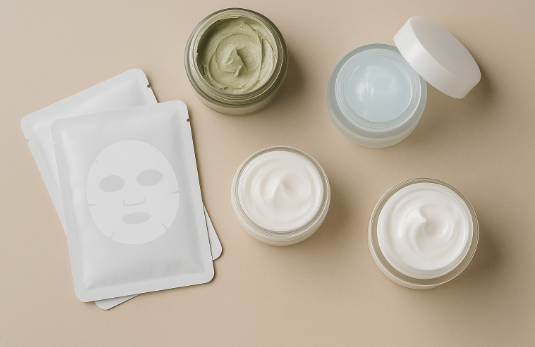
How often you should do a face mask is a simple question with a clear goal: get results without upsetting your skin. In Singapore’s heat and air-con mix, skin can feel oily and dry on the same day, so the right rhythm matters. The answer depends on two things: your skin type and the kind of mask you use. Gentle hydrating or soothing options can fit into the week more often, while clay or charcoal formulas need a lighter touch. Active exfoliating masks call for the slow-and-steady route, and overnight treatments work best for a few nights, not every night.
This guide keeps it practical: clear rules you can follow, quick tips to avoid irritation, and an easy weekly plan you can stick to. You’ll learn how to time sheet sessions, when to pick a pore reset, and how to keep your barrier happy after each use.
Quick Answer—How Often Should You Use a Face Mask?
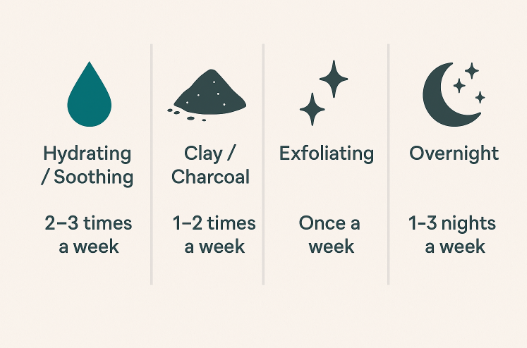
Here’s a clear guide you can use right away. Match the mask to your skin type, keep to the right pace, and watch how your skin feels after each session.
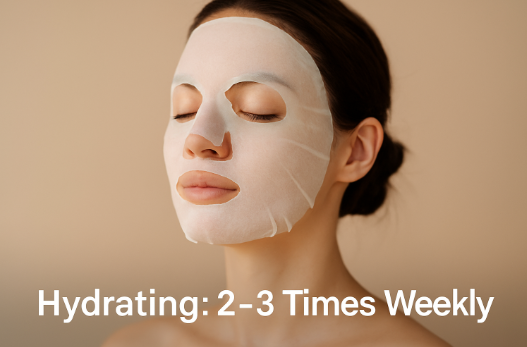
Hydrating/soothing: 2–3 times a week. Very gentle sheet masks can be used more often if your skin stays calm. Stop if you notice tightness or redness.
Clay/charcoal: 1–2 times a week. Great for controlling oil and caring for pores. If your cheeks get dry, use it only on the T-zone and rinse as soon as it starts to feel firm.
Exfoliating: start once a week, then move to 2–3 only if there’s no sting or peeling. Do not pair with scrubs or other acids on the same day. Skip on retinol nights.
Overnight: 1–3 nights a week. Pick lighter gels if you sleep in strong air-con. If you’re acne-prone, avoid daily use and monitor for clogged pore issues.
Keep each mask on for the time stated on the label. After rinsing or removing, follow with a moisturizer. In the morning, use sunscreen. If your skin reacts, pause actives and return to soothing and hydrating care for a few days.
Masking Frequency by Skin Goals in Skin Care
Pick the goal first, then fit your mask into the week. Keep wear time honest, watch for signs of stress, and adjust the gap between sessions based on how your skin feels.
Pores: Choose clay or charcoal 1–2 times weekly. Apply to the T-zone if cheeks run dry. Rinse once it starts to firm to avoid a tight feel.
Glow: Use exfoliating formulas once a week at the start. If there is no stinging, peeling, or redness after two applications, move to twice-weekly use. Do not combine with scrubs or other acids on the same day.
Calm: Go for soothing care 2–3 times a week. Keep formulas simple and fragrance-light. Pair with a plain moisturizer after the mask.
Hydration: Add hydrating sheet sessions 2–3 times weekly. Press in leftover essence, then seal with cream and gel masks. Skip if your face already looks puffy.
Recovery nights: Reserve overnight treatments for 1–3 nights a week. Pick gel styles if you prefer a lighter feel, and avoid daily use if pore clogging is common.
Keep this goal-first rhythm in mind. Next, we’ll tune the plan by skin type, so you’ll know exactly which day suits clay, sheet, exfoliating, soothing, or overnight care.
Choose a Mask For Your Skin Type
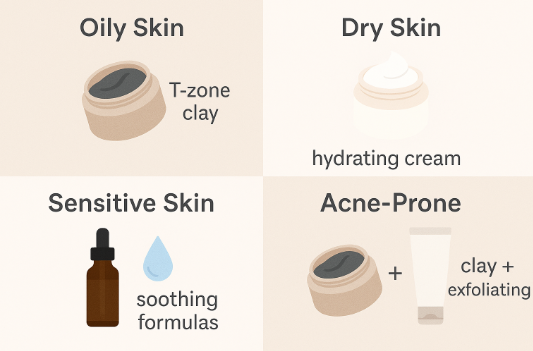
Match your routine to your skin type, then set the pace for each mask.
Combination / Oily
Use clay or charcoal 1–2 times weekly, focusing on the T-zone to keep each pore clear. Add hydrating care 1–2 times a week to balance. Keep sheet sessions short and finish with a light moisturizer. Skip daily overnight if you notice congestion.
Dry / Dehydrated / Dry
Lean on hydrating and soothing care 2–3 times a week. Sheet sessions help top up water fast; press in the essence, then seal with cream. Keep exfoliating once weekly, and bring in overnight 1–2 nights for bounce.
Sensitive / Reactive
Start low and slow. Choose soothing formulas once weekly, then increase only if your skin stays calm. Patch test first. Keep sheet timing short and avoid fragrance-heavy picks. Limit exfoliating and keep overnight light, gel-based, and infrequent.
Acne-Prone
Apply clay or charcoal once a week (up to twice) for targeted oil control. Introduce exfoliating care once a week, then build to twice only if there’s no sting or peeling. Balance with hydrating/soothing steps. Avoid heavy overnight use if pore clogging is common.
Use these cues to choose the right mask on the right day. Next, we’ll look at each mask type in detail so you can set timing and after-care with confidence.
Choose by Mask Type in Skincare
Each mask works differently. Match the method to your goal, then keep the pace steady.
Clay/Charcoal
Best for oil control and pore care. Use 1–2 times weekly. Apply a thin layer, focus on the T-zone, and rinse once it starts to firm. Follow with a light moisturizer to avoid a tight feel.
Hydrating / Gel / Cream
Made to add water and comfort. Fit these in 2–3 times a week. Great after cleansing or a short sheet session. Press product in, then finish with cream to lock it in.
Exfoliating
These rely on acids or enzymes to lift dull skin. Start once a week. If there’s no sting, peeling, or new redness after two tries, move to twice weekly. Skip scrubs and retinol on the same day to protect the barrier.
Overnight
Designed to sit on the skin while you sleep. Keep to 1–3 nights a week. Choose gel styles if you prefer a lighter feel. If pore clogging is common, avoid daily use and monitor for bumps.
Sheet
Quick hydrating or soothing boost. Wear for the time on the pack, not longer. Pat the leftover essence and apply moisturizer after. If skin looks puffy, take a break.
With these cues, you can set clear timing and aftercare.
The Weekly Face Mask Planner
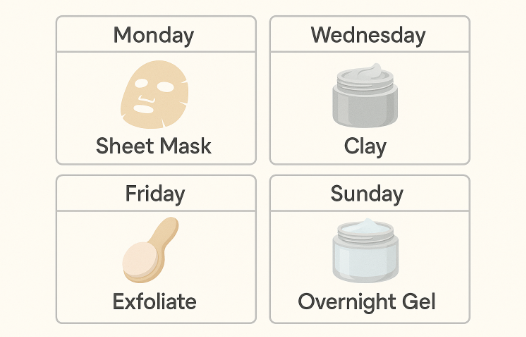
Here’s a simple rhythm you can follow. Keep wear time honest and watch each pore for signs of stress.
Mon: Hydrating sheet for 10–15 minutes. Press in leftover essence, then seal with cream.
Wed: Clay or charcoal on the T-zone only. Thin layer; rinse once it starts to firm.
Fri: Exfoliating once a week to start. Skip scrubs and retinol on this day.
Sun: Overnight gel for bounce and comfort.
Optional midweek boost: a short soothing sheet session if your skin feels tight or red. If any sting shows up, pause and return to soothing and hydrating care for a few days.
Adjust by skin type:
- Oily/Combination: keep clay/charcoal on Wed (or Sat if needed). Add one short hydrating session to balance.
- Dry / Dehydrated: swap add hydrating gel if cheeks feel rough. Keep overnight for 1–2 nights.
- Sensitive / Reactive: replace Fri with soothing care. Leave exfoliating for later once the barrier feels stable.
- Acne-Prone: Stick to clay once a week; keep overnight, use light, and avoid daily use. Watch for new bumps around each pore.
This planner gives each mask a clear slot without overdoing it. Next, we’ll cover application order and timing so every step supports the one before it.
Application Order & Timing to Apply a Face Mask
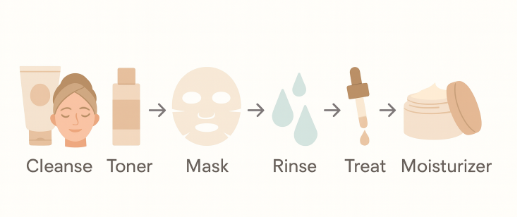
Follow this simple flow so each mask does its job without stressing a pore.
Step 1: Cleanse
Start with clean skin. Pat dry so products grip well.
Step 2: Prep (light toner or mist)
Optional, but helpful before sheet, hydrating, or soothing care.
Step 3: Mask
- Sheet: 10–15 minutes. Do not wait until it dries.
- Clay/charcoal: thin layer on the T-zone or where you shine. Rinse when it starts to firm; do not let it crack.
- Exfoliating: follow the label time. Begin once a week. Skip scrubs or retinol on the same day.
- Overnight: Use on clean skin at night only, 1–3 times weekly.
Step 4: Rinse or Remove
For rinse-off types, use lukewarm water. For the sheet, press in leftover essence.
Step 5: Treat
Apply serum that matches your skin type goal. Keep it simple after exfoliating.
Step 6: Moisturizer
Finish with moisturizer. In the morning, add sunscreen.
Timing tips
Space active mask days apart. Keep wear time honest. If you feel a sting or see redness, pause and return to soothing and hydrating steps for a few days.
Signs You’re Over-Masking in Your Skin Care Routine
Watch for these alarms: persistent redness, stinging on application, a tight feel after rinsing, flaking, sudden bumps around a pore, or skin that looks dull yet shiny. Breakouts right after an exfoliating day can also be a clue.
What to do now
- Pause strong steps. Skip exfoliating for a week and stop daily overnight use.
- Switch to soothing and hydrating care only 2–3 times this week.
- Shorten wear time for sheet sessions and keep to the label.
- Keep clay/charcoal once a week, T-zone only, and rinse when it starts to firm.
Avoid routine clashes
Do not stack acids or pair exfoliating with retinol on the same day. After any mask, use a plain moisturizer. Sunscreen in the morning helps protect a fragile barrier.
Reset plan
Give skin a simple week: cleanse → gentle toner → soothing/hydrating → moisturizer. If things settle, reintroduce one step at a time: first sheet, then clay/charcoal, then exfoliating on separate days. Keep overnight 1–3 nights weekly.
Seek help if burning, swelling, or rash continues after stopping the actives.
Once your skin feels calm, you can go back to a steady rhythm without pushing it. Next, we’ll share product picks that fit each goal, so every mask earns its place in your week.
Product for Different Types of Face Masks
Four goal-based picks you can slot into your week without guessing.
- Eleanor Aroma Floral Hydrating Mask—A hydrating sheet mask with glyceryl glucoside, sericin and bifida ferment lysate that leaves skin feeling soft, moisturized and radiant after each use.
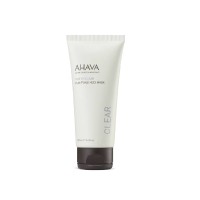
- AHAVA Purifying Mud Mask—A classic Dead Sea mud mask that draws out impurities, helps absorb excess oil, and refines pores. At the same time, Osmoter™ minerals support hydration so skin feels clean, soft, and comfortable (not tight).
- SNP Diamond Brightening Ampoule Mask—A glow-aimed sheet mask for dull days. Features niacinamide; use 1–2 times weekly and moisturize after.
- Suisse Programme Caviar Premier Lift Overnight Mask—Cushy overnight care 1–3 nights a week; apply on clean skin and rinse the next morning. Skip daily use if pore clogging is common.
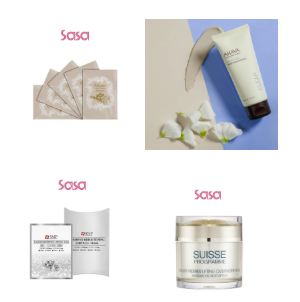
These cover hydrating, soothing, clay, brightening sheet, and overnight needs, so each mask earns its slot.
Conclusion
Ready to find the right mask for your skin type? Visit Sa Sa Singapore’s website to explore the full collection and take your skincare routine to the next level. At Sa Sa Singapore, explore premium face masks that suit you, and don’t miss the ongoing promotions.
Frequently Asked Questions (FAQs)
1. How often should you apply a mask?
Start simple so you can learn how often to use a face mask without stress. Begin twice a week, then adjust by feel; you’re determining how often based on results and comfort. A safe frequency for face masks rarely means a face mask every night—skip a mask every day unless it’s very gentle and your skin stays calm. If you’re asking how often you should use it, think steady rhythm, not a sprint. Ask how often to use a face mask for your goals, and track your face mask use for a month.
2. Which type of face mask suits my skin concern?
Pick a mask for your skin type first, then your specific skin concerns. There are different types of face masks, and the type of mask, plus the mask ingredients and what the mask contains, matter. A common face mask that calms sensitive skin or sensitive or dry skin; richer picks help dry skin. Clay helps oily skin types and oily or acne-prone skin. Acne-prone skin may like a gentle treatment mask. Combination skin can have split zones. Many masks are designed for one job; face masks are designed to cater to various skin goals—yes, various skin needs. The mask you choose is what makes face masks work for you.
3. What’s the right way to prep, apply, and remove?
Always prep your skin first. For safe mask application, apply a face mask in a thin, even layer; don’t apply a facial scrub right after. Cover the entire face only if it fits the mask you’re using—zone if needed. If you use sheet masks, smooth the edges so you’re using your mask without gaps. A gel mask feels light; cream and gel masks spread easily, and cream face masks suit drier areas. Give time for the skin to absorb. When you remove the mask, lift the mask from your face gently—no harsh rubbing. Reading labels matters; your mask is important, but so is technique.
4. Can masks help with dullness and a rough feel?
Yes. Some formulas lift dead skin cells to remove dead skin cells and whisk away dead skin cells, which can improve skin texture and the appearance of your skin while leaving the skin smooth. Hydrating types hydrate the skin and can deeply hydrate your skin fast. These skin benefits show why many face masks exist. The benefits of face masks differ, so note the benefits of your face mask over a few weeks. When dryness hits, hydrating picks can hydrate your skin quickly. For steady upkeep, masks are a great option between pro visits.
5. How do I fit masks into my routine without overdoing it?
Think skin care and daily skincare first. Start slow when incorporating face masks. Add them to a simple skincare routine once you know the product you need to use. It’s recommended to use gentle picks first, then build up. Choices should match skin needs and the week ahead; results can vary from mask to mask across different skin types and oily skin days. Check your skin often, guard your skin barrier, and only use face masks that make sense for you. Place masks into your skincare routine on set days. A face mask is important for quick boosts—balance is the goal.
Author

Mei Ling Cheng is a seasoned beauty expert with over 15 years of experience in professional makeup artistry and skincare consulting. As a leading beauty advisor at Sa Sa Malaysia, she specialises in enhancing natural beauty through innovative techniques and high-quality products. Her expert recommendations have helped thousands achieve flawless, long-lasting looks with confidence.
Featured Products in this Post
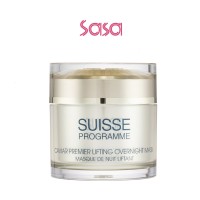

$58.00
Related Posts

How to Dry Hair Without Causing Frizz or Breakage | Correct Technique Guide
Best Cleansing Oils & Balms for Removing SPF and Makeup Singapore

Best Facial Tools for Your Skincare Routine | Gua Sha, Rollers & Cleansing Devices

Aloe Vera Benefits for Skin | What It Does and How to Use It

How to Get Clear Skin in Singapore's Humid Climate | Skincare Tips & Routine