




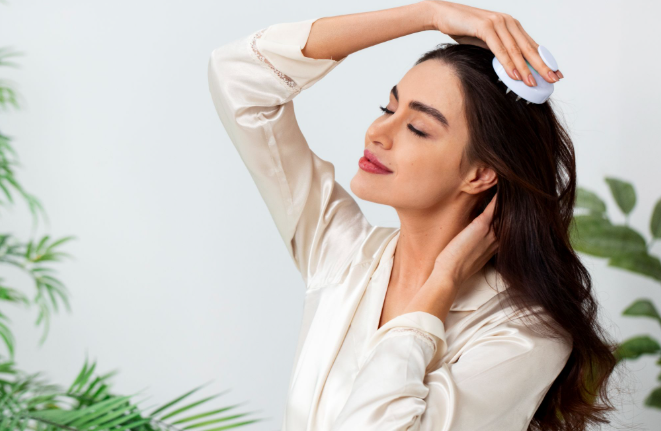
Strong, shiny hair does not come from treatments alone. Frequent colouring, heat styling, and chemical processes affect hair down to the roots, weakening hair follicles and reducing the scalp’s ability to support healthy growth.
Why scalp health determines hair strength and shine
These days, we often focus on silky, shiny hair free of split ends, gloss, and smoothness, without giving much thought to the scalp beneath. Yet healthy hair truly begins at the root, where growth is nurtured and supported. Just as good nutrition is essential for a strong, well-functioning body, a well-cared-for scalp provides the foundation for naturally strong, resilient hair.
A healthy scalp not only promotes growth but also helps hair resist breakage, maintain moisture, and retain its natural shine over time. By paying attention to the scalp’s needs including managing natural oils, we can ensure that our hair is not just beautiful on the outside, but genuinely healthy from the inside out.
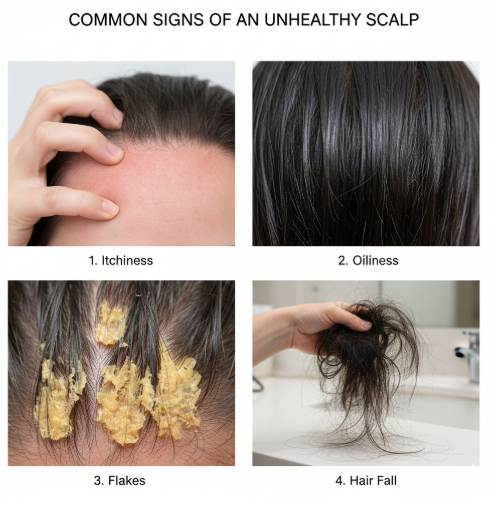
Common signs of an unhealthy scalp (itchiness, oiliness, flakes, hair fall)
A few of the most common signs of an unhealthy scalp are itchiness, oily scalp, dry scalp, flakiness, and hair thinning.
These can appear for many reasons: shampooing too often, skipping washes, leaving conditioner on longer than usual, or not rinsing properly. This can leave the scalp irritated, hair feeling oily, and strands falling or breaking even with gentle brushing.
This blog helps you understand your scalp and create a reliable hair care routine to support natural growth, encouraging hair that is not only beautiful on the outside but strong and healthy from the roots.
Understand Your Scalp Type
Just like personal preferences differ, scalps have different needs. Some get oily hair quickly, leaving hair feeling heavy, while others feel dry or tight even after washing. Sensitive scalps may react easily to hair care products or changes in weather, and balanced scalps usually feel comfortable most of the time.
Part of what makes each scalp different is natural oils, or sebum, produced at the root of every hair. This oil keeps the scalp moisturised, protects your hair, and even helps defend against minor irritations.
When your scalp produces too much or too little oil, it can affect your hair and scalp health which is why understanding your scalp’s tendencies is the first step toward keeping it healthy.
Why does knowing your scalp type matter in choosing products?
Knowing your scalp type is key to maintaining healthy hair because the scalp is where growth begins. The scalp is a living ecosystem: hair follicles, sebaceous glands, and the skin cells barrier all work together to nourish hair. If the scalp is oily, dead skin cells and trapped sebum can block follicles, slowing growth and causing breakage. Dry or sensitive scalps are more prone to inflammation, irritation, and hair fall.
A scalp analysis helps identify triggers, track changes, and choose hair care products that support healthy, resilient hair. Using products suited to your scalp ensures it can nourish hair effectively.
How scalp imbalances affect hair growth and texture
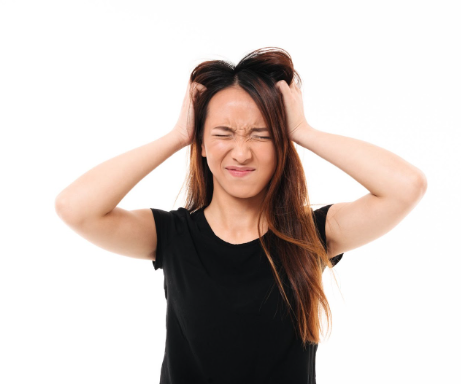
Humans have about five million hair follicles, with roughly 100,000 on the scalp. Each follicle relies on a healthy environment to grow strong hair. When the scalp is dry, irritated, or oily, follicles can become clogged, circulation slows down, and nutrients struggle to reach the roots.
This affects hair directly: growth may get slow, strands break easily, and hair can feel thin and lifeless. By keeping the scalp balanced, nourished, and comfortable, follicles have the ideal conditions to produce stronger, healthier hair naturally from the roots.
Understanding the impact of hair and scalp conditions is only the first step. Implementing simple, consistent care routines can restore balance and support natural growth. The following tips provide practical ways to keep your scalp microbiome, and your hair healthy every day.
Tip 1: Keep Your Scalp Clean (But Not Stripped)
A clean scalp supports healthy hair, but over-washing or harsh shampoos can damage hair follicles.
- Hair wash frequency based on scalp type: Wash 3-4 times/week to prevent oily scalp, 1-2 times/week to prevent dried out hairs, and 2-3 times/week for balanced scalp.
- Choose sulfate-free cleansers: Sulfates remove too much oil, causing dryness and breakage. Gentle, sulfate-free shampoos help clean your hair and scalp without upsetting the scalp’s balance.
- Remove sweat, oil, and product residue: Even small amounts of conditioner, serum, or styling products can irritate follicles. Proper cleansing supports natural growth.
Tip 2: Exfoliate Your Scalp Regularly
Scalp exfoliation helps remove dead skin cells, product residue, and excess natural oils that can block hair follicles and slow hair growth. It also stimulates blood flow, delivering nutrients to the roots for stronger, and healthier strands.
- Physical scrubs vs chemical exfoliants: Gentle scrubs massage away flakes and buildup, while chemical exfoliants like AHA or BHA dissolve dead skin and unclog pores. Choose based on scalp sensitivity and comfort.
- Exfoliating Frequency: 1-2 times a week is generally safe. Over-exfoliating can irritate the scalp and weaken hair.
Tip 3: Nourish the Scalp with Targeted Treatments
Whenever the body lacks certain nutrients, we supplement accordingly. For example, if iron levels are low, doctors recommend consuming green vegetables to address iron deficiency.
The scalp works in a similar way, whenever it lacks moisture or essential oils, using targeted treatments can help restore healthier hair.
Scalp serums, tonics, and oils: Serums absorb quickly to strengthen strands as they form, tonics refresh and soothe the scalp, and oils provide deep hydration that helps prevent brittle hair and breakage.
- Key ingredients to look for:
- 1. Niacinamide helps maintain scalp moisture, reducing dryness that can make hair fragile.
- 2. Peptides support the structure of emerging hair, making strands stronger.
- 3. Rosemary extract encourages blood circulation, ensuring nutrients reach new hair effectively.
- 4. Salicylic acid gently clears surface flakes, keeping the environment healthy for hair growth without losing natural oils.
How to apply: Massage into a clean, damp scalp with light pressure so nutrients absorb where they’re needed most. Regular nourishment ensures the scalp can support healthy hair cycles.
Tip 4: Improve Blood Circulation with Massage
A healthy blood flow to the scalp is essential because it delivers the nutrients and oxygen your hair needs. Scalp massage helps to boost blood circulation, helping strands develop thicker, shinier, and less fragile hair.
- Use fingertips in small, circular motions across the entire scalp, or use a soft scalp brush for gentle stimulation. Avoid pulling or tugging.
- Massage can be done before a shower, allowing tonics or serums to sit for at least an hour for better absorption, or after washing when the scalp is clean. It can also be done before bed, based on your daily hair care routine.
Why it matters: Improved circulation ensures nutrients reach the scalp where they’re needed most, creating an environment where it supports healthier hair growth, reducing tension, and strengthening strands from the roots.
Tip 5: Protect Your Scalp from Heat & UV Damage
The scalp and treated hair are vulnerable to daily damage from heat styling and sun exposure. Protecting the scalp ensures hair grows stronger and maintains its natural shine.
Heat styling precautions: Use lower heat setting tools, and always apply a heat protectant spray or serum before straightening or curling.
UV protection for the scalp: SPF sprays or hats shield the scalp and protect hairs.
Why it matters: Heat and UV exposure can compromise the scalp’s natural barrier, leaving strands more fragile and prone to split ends. Protecting the scalp helps maintain a healthy environment where hair grows resilient, and strong.
Tip 6: Feed Your Scalp From Within
The scalp relies on essential nutrients to strengthen types of hair. Without proper nutrition, hair can become brittle, thin, or slow to growth.
- Nutrition for healthy hair: Protein, biotin, omega‑3, iron, and zinc strengthen strands and maintain scalp balance. Include eggs, fish, nuts, leafy greens, and legumes in your diet.
- Staying hydrated: Drink enough water to keep the scalp moisturised and prevent dryness.
- Supplements (if needed): Use dermatologist-approved supplements if diet isn’t enough.
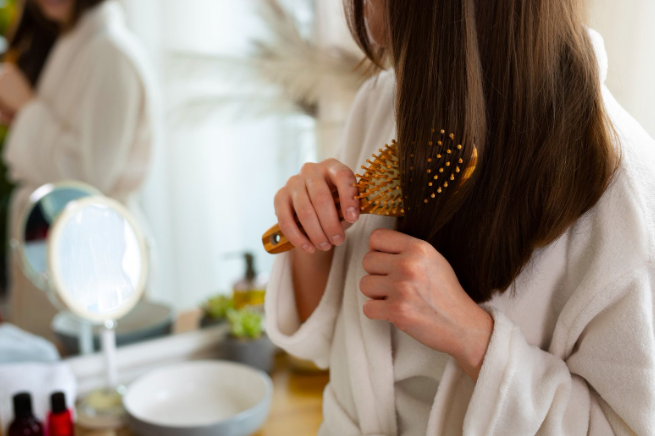
Tip 7: Build Healthy Hair Habits Every Day
Daily habits have a big impact on hair strength and shine. Small adjustments in how hair is handled or styled can prevent breakage.
- Avoid tight hairstyles: Pulling from ponytails or buns stresses strands, which leads to breakage or hair loss.
- Use gentle tools: Microfiber towels reduce roughness when drying, and wide-tooth wooden combs prevent unnecessary strain.
- Switch to silk pillowcases: Smooth surfaces help prevent tangles and split ends.
- Manage stress: High stress levels affect scalp health and can trigger hair shedding.
Conclusion
Healthy hair starts with how the scalp is treated every day. When the scalp stays clean, and balanced, hair naturally grows stronger, shinier, and easier to manage. It is not about quick fixes, but about the small choices made daily, from how hair is washed to how it is handled before bed.
Scalp care works best when it becomes part of a routine that fits daily life. Paying attention to the scalp, using products that suit its needs, and staying consistent creates lasting results over time. Start with simple habits, stay mindful.
Frequently Asked Questions (FAQs)
1. Are expensive shampoos necessary for healthy hair?
Not necessarily. What matters is using a shampoo that suits your scalp type and cleanses gently, not the price.
2. Does diet affect scalp and hair health?
Yes. Hair growth depends on nutrients like protein, iron, zinc, and healthy fats.
3. Should I use hair oil or serum daily?
Serums can be used daily for protection and smoothness. Oils work best 1-2 times a week, depending on scalp needs.
4. Does healthy hair take longer to dry?
Yes. Healthy hair holds moisture better and has a smoother surface, which can slow drying slightly.
5. How long does healthy hair take to grow?
Hair growth depends on factors like scalp health, daily care, nutrition, and consistency. On average, healthy hair grows about one to one and a half centimetres per month.
6. Which oil is best for healthy hair?
Argan, rosemary, and jojoba are suitable for regular use. Coconut or castor oil suits deeper, occasional care.
7. What is a healthy hair routine?
A healthy hair routine includes regular gentle cleansing, scalp exfoliation, targeted treatments with serums or oils, scalp massage, heat and sun protection, proper nutrition, and daily habits like gentle brushing and avoiding tight hairstyles.
Author
Mei Ling Cheng is a seasoned beauty expert with over 15 years of experience in professional makeup artistry and skincare consulting. As a leading beauty advisor at Sa Sa Malaysia, she specialises in enhancing natural beauty through innovative techniques and high-quality products. Her expert recommendations have helped thousands achieve flawless, long-lasting looks with confidence.
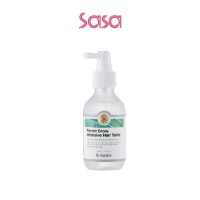
Featured Products in this Post
Related Posts
Best Cleansing Oils & Balms for Removing SPF and Makeup Singapore
Best Facial Tools for Your Skincare Routine | Gua Sha, Rollers & Cleansing Devices
Aloe Vera Benefits for Skin | What It Does and How to Use It

How to Get Clear Skin in Singapore's Humid Climate | Skincare Tips & Routine