




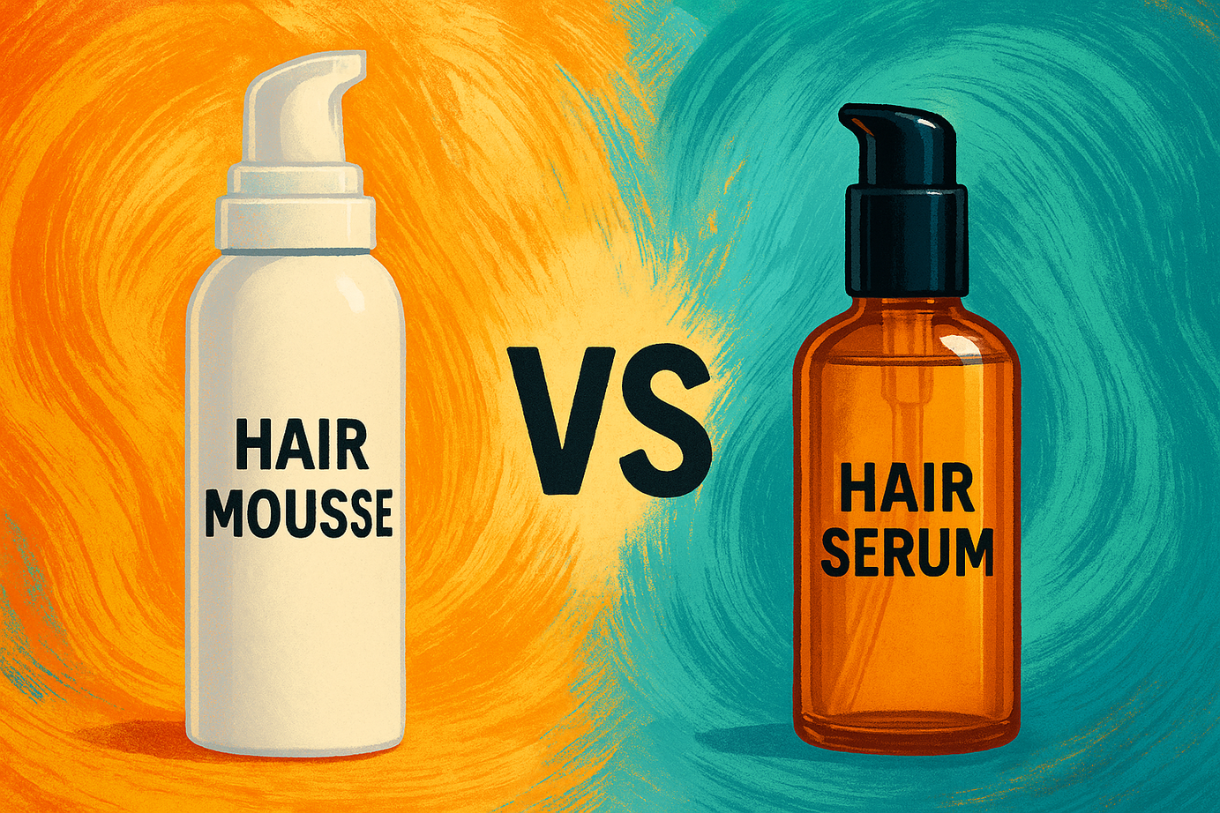
Choosing between hair mousse and serum can feel overwhelming, especially with so many styling products on the shelf. Both promise to transform your hairstyle, but they work in very different ways. If you’ve ever wondered whether to reach for a foam that adds bounce or a silky liquid to tame frizz, you’re not alone.
Mousse is lightweight and perfect for creating hold and definition, especially for curly hair or fine hair that needs a boost. It’s often used on damp hair before blow-drying to add volume without weighing strands down. On the other hand, serum is your go-to for smoothing frizzy hair, fighting humidity, and helping split ends look healthier. A drop of serum can add shine to dry hair or straight hair, leaving it glossy and sleek.
Your hair type and goals matter here. Do you want a natural-looking texture or a slick finish? Should you protect your hair from heat or keep frizz at bay? We’ll break it all down with tips on how to apply it to your hair the right way.
Ready to find your match? Let’s explore what makes these products unique—and how to pick the best one for you.
Hair Serum vs Hair Mousse — The Core Difference
- Hair Serum: A leave-in liquid or lightweight oil treatment that smooths the hair cuticle, reduces frizz, adds shine, and provides heat protection. Applied to damp or dry hair. Primarily a treatment product — it improves hair health and manageability rather than creating a styled look. Best for: frizzy, dry, damaged, or colour-treated hair in Singapore's humidity
- Hair Mousse: A foam-based styling product that adds volume, texture, and hold to hair as it dries. Applied to damp hair before blow-drying or air-drying. Primarily a styling product — it creates structure and body rather than smoothing or conditioning. Best for: fine, limp, or wavy hair that needs volume and definition
When to Use Hair Serum
- Frizz control in Singapore's humidity: Apply a small amount to damp hair after washing and before styling to create a smooth, sealed cuticle that blocks humidity
- Heat protection: Most serums contain silicones (Dimethicone, Cyclomethicone) or natural oils that protect against blow-dryer and straightener heat up to 230°C
- Shine and finish: Apply 1–2 drops to dry hair to add gloss and tame flyaways without adding weight
- Damaged or colour-treated hair: The nourishing actives in serums (Argan Oil, Keratin, Panthenol) condition and repair hair with each use
- How much to use: Always start with less than you think — 1–2 pumps maximum. Too much serum makes hair look greasy. Apply to mid-lengths and ends, never the roots
When to Use Hair Mousse
- Adding volume to fine or limp hair: Mousse coats each strand with polymers that create grip and lift — essential for fine Asian hair types prone to flatness
- Enhancing waves and curls: Apply to damp hair using the scrunching technique to define natural wave patterns and reduce frizz in curly or wavy hair
- Before blow-drying: Apply to damp hair and blow-dry with a round brush for lasting volume that holds through Singapore's humidity
- Hold without weight: Modern mousse formulas are significantly lighter than older generations — they add structure without the classic sticky or crunchy finish
What Is Hair Mousse?
Definition & Key Features
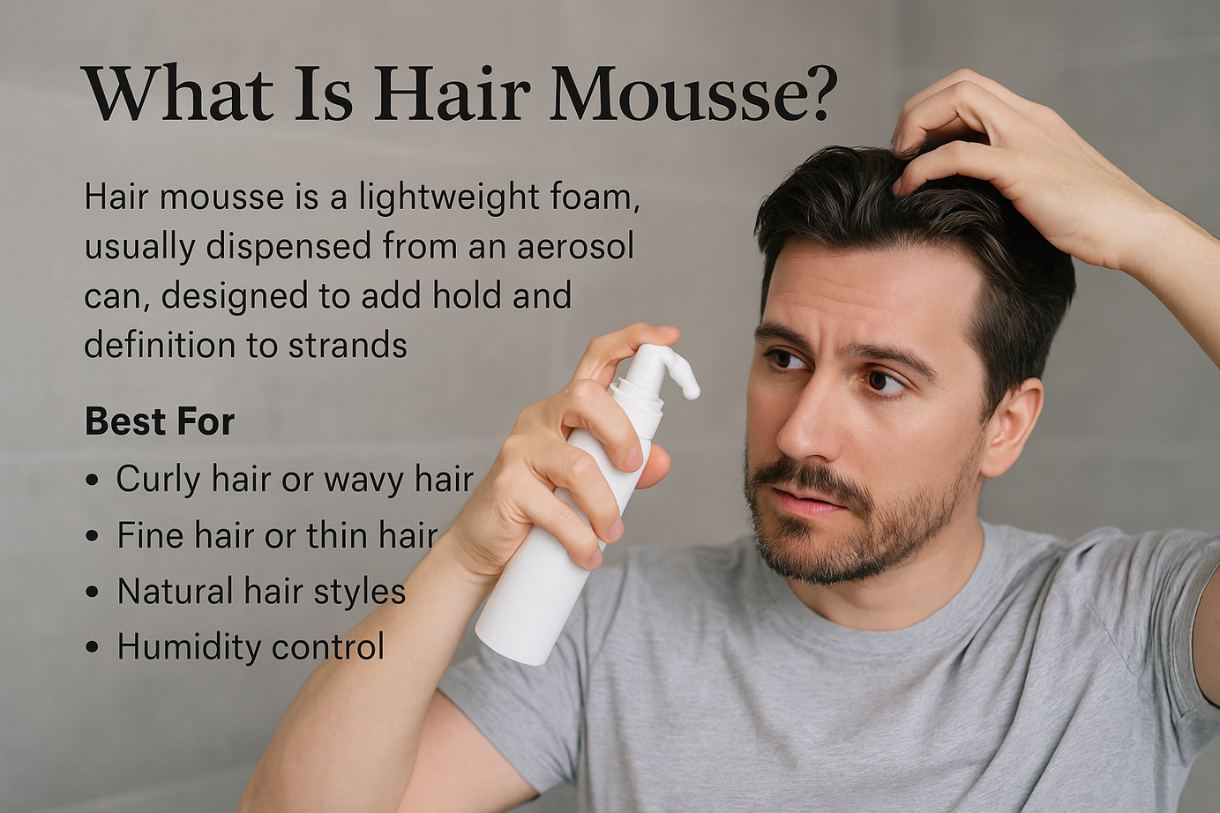
Hair mousse is a lightweight foam, usually dispensed from an aerosol can, designed to add hold and definition to strands. Unlike heavier styling products like gel or cream, it’s airy and works well on damp hair before blow-drying or styling.
Most mousses focus on adding volume, creating a body for thin hair, or enhancing curly hair patterns without crunchiness. Many also include nourishing ingredients to protect your hair from heat styling or breakage.
Best For
- Curly hair or wavy hair: Enhances curl shape and reduces frizz.
- Fine hair or thin hair: Lifts roots for a fuller hair look.
- Natural hairstyles: Add natural-looking texture to beachy waves or slicked-back updos.
- Humidity control: Helps keep frizz in check on sticky days.
Top Sa Sa Picks
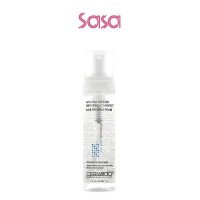
- Giovanni Natural Mousse Air Turbo-Charged Hair Styling Foam: Ideal for fine hair, this mousse gives hold and definition to strands while keeping them soft.
What Is Hair Serum?
Definition & Key Features
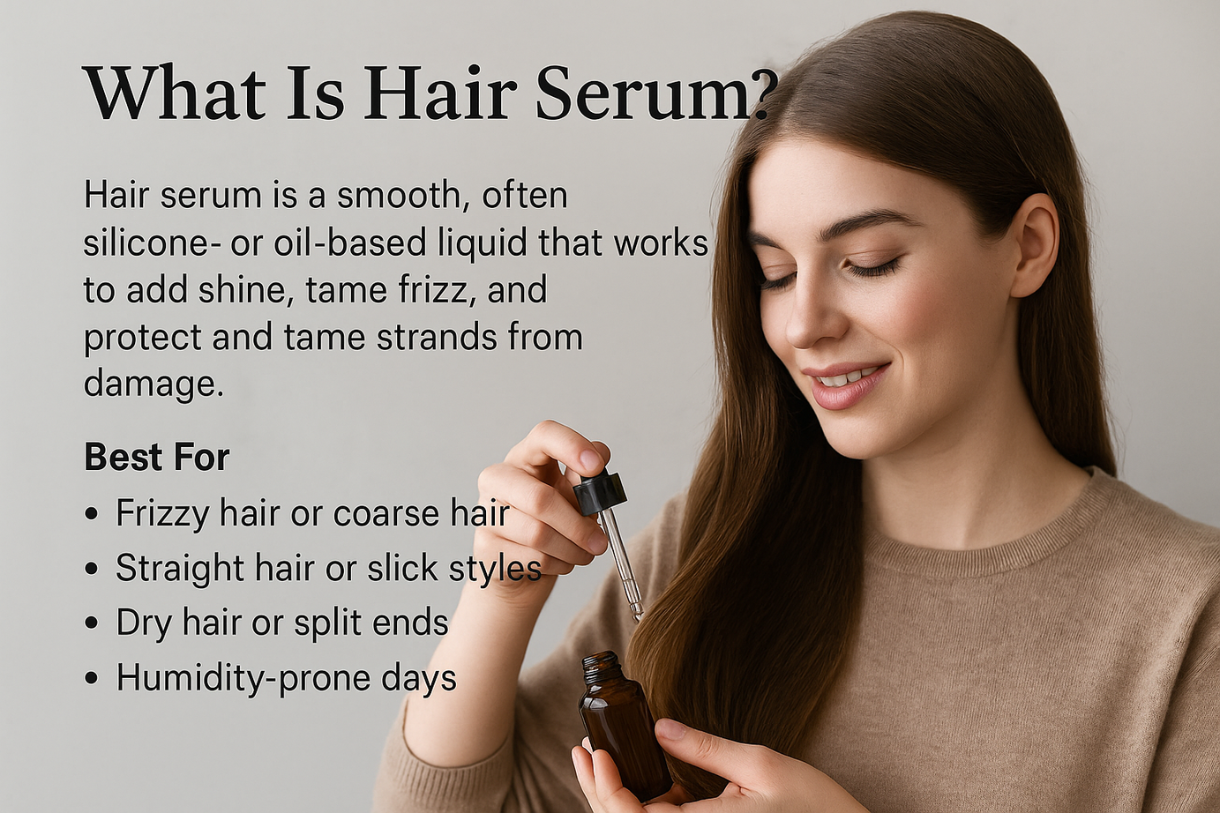
Hair serum is a smooth, often silicone- or oil-based liquid that works to add shine, tame frizz, and protect and tame strands from damage. Unlike mousse, which focuses on hold and definition, serum prioritizes smoothing and hair health.
A small amount goes a long way—applied to dry hair or damp hair, it coats split ends, fights humidity, and leaves hair silky without feeling greasy. Many serums also include nourishing ingredients to repair damaged hair or protect your hair during heat styling.
Best For
- Frizzy hair or coarse hair: Smooth, unruly textures and keep frizz under control.
- Straight hair or slick styles: Adds glossy polish to hairstyles like slicked-back ponytails.
- Dry hair or split ends: Seals moisture to prevent breakage and make hair look healthier.
- Humidity-prone days: Creates a barrier against moisture to leave your hair frizz-free.
Top Sa Sa Picks
- Giovanni Frizz Be Gone: Tames frizz while leaving hair shiny and soft.
- Giovanni Ultra Shine Anti-Frizz Smoothing Hair Serum: Lightweight yet effective, this adds gloss without heaviness.
Hair Mousse vs Serum: Key Differences
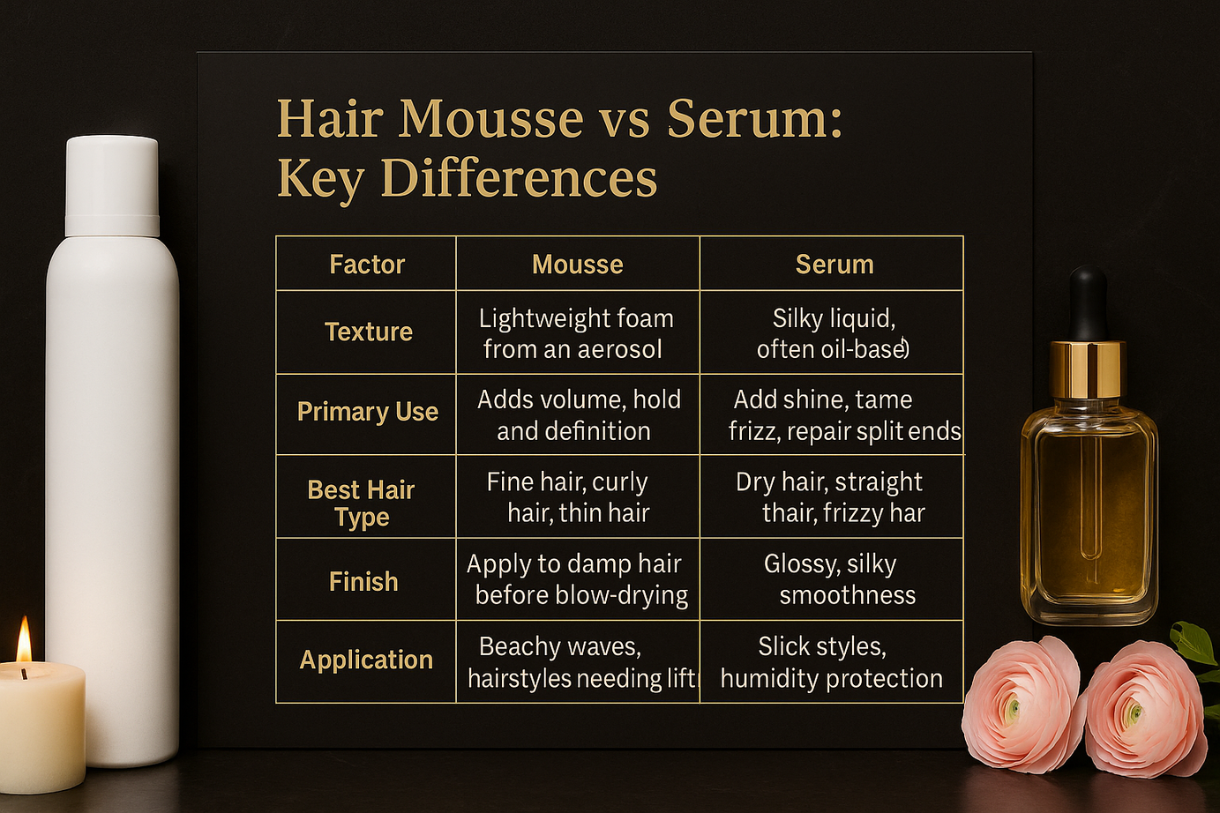
Understanding how mousse and serum differ helps you pick the right product for your hair type and goals. Let’s break it down:
| Factor | Mousse | Serum |
|---|---|---|
| Texture | Lightweight foam from an aerosol | Silky liquid, often oil-based |
| Primary Use | Adds volume, hold, and definition | Add shine, tame frizz, and repair split ends |
| Best Hair Type | Fine hair, curly hair, thin hair | Dry hair, straight hair, frizzy hair |
| Finish | Natural-looking texture | Glossy, silky smoothness |
| Application | Apply to damp hair before blow-drying | Use on dry hair or damp hair, focus on ends |
| Ideal For | Beachy waves, hairstyles needing lift | Slick styles, humidity protection |
Why It Matters:
- The mousse gives strands hold and definition, making it perfect for curly hair or thin hair that needs body.
- Serum tackles frizz and split ends and adds shine without weighing down thick hair or coarse hair.
- Layering both? Start with mousse for volume, then add serum to protect and tame flyaways.
Pro Tip:
If your hair looks flat, mousse at the roots can add volume. For dry hair or damaged hair, serum applied to the ends helps make the hair appear healthier.
When to Use Mousse vs Serum
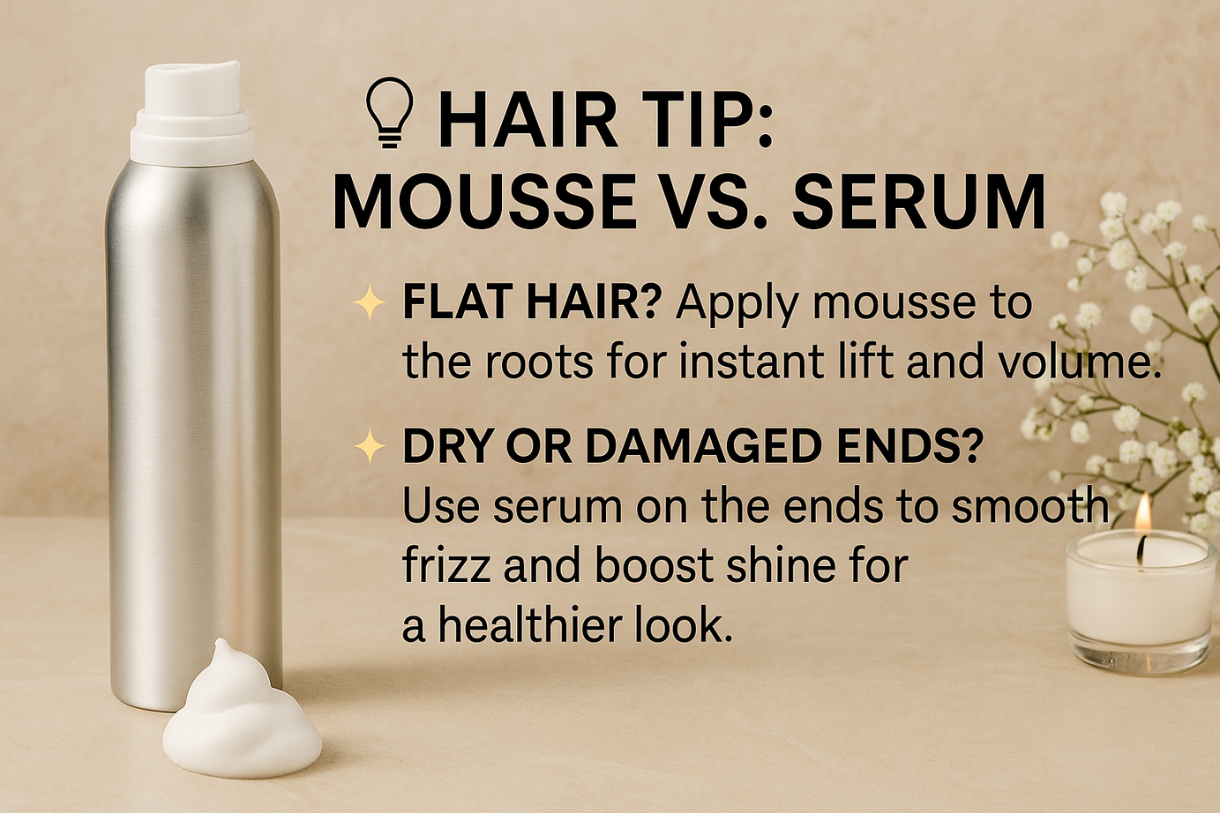
Knowing when to grab mousse or serum can simplify your hair styling routine. Here’s a quick guide:
For Volume & Texture → Mousse
- Fine hair or thin hair needing a lift? Work mousse into damp hair before blow-drying to add volume at the roots.
- Creating beachy waves or natural-looking curls? Apply mousse to strands before scrunching or twisting sections.
- Struggling with flat hairstyles? A palm-sized amount of mousse gives hold and definition without stiffness.
For Shine & Protection → Serum
- Battling frizzy hair or split ends? Smooth a pea-sized drop of serum through dry hair to tame flyaways and add shine.
- Prepping for humidity or heat tools? Use serum as a shield to protect your hair from damage and keep frizz away.
- Want a glossy, slick finish? Apply serum to straight hair or slicked-back styles for mirror-like shine.
Can You Layer Them?
Absolutely! Start with mousse on damp hair to build volume, then follow with serum on dry hair to lock in shine and protect and tame frizz. Avoid overloading—too much serum can leave thin hair feeling greasy.
Pro Tips for Application
Mastering how to use mousse and serum ensures you get the most out of these styling products. Here’s how to apply them like a pro:
How to Apply Mousse
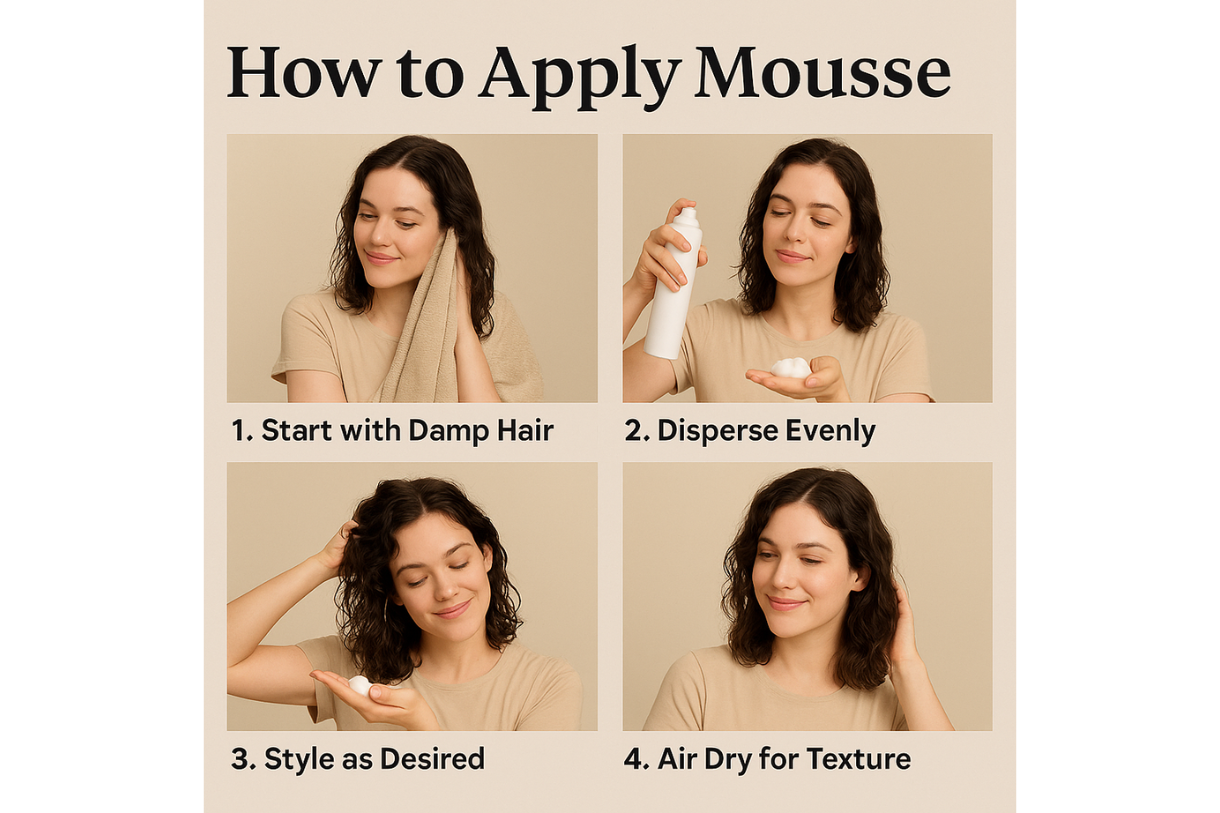
- 1. Start with damp hair: After washing your hair, towel dry until it’s slightly wet.
- 2. Disperse evenly: Shake the aerosol can, then pump a golf ball-sized amount into your palm. Rub hands together and scrunch into strands from roots to ends.
- 3. Style as desired: Use a diffuser for curly hair or blow-dry for volume. Avoid over-applying—too much mousse can make thin hair feel stiff.
- 4. Air dry for texture: Let natural hair dry loosely for beachy waves.
How to Apply Serum
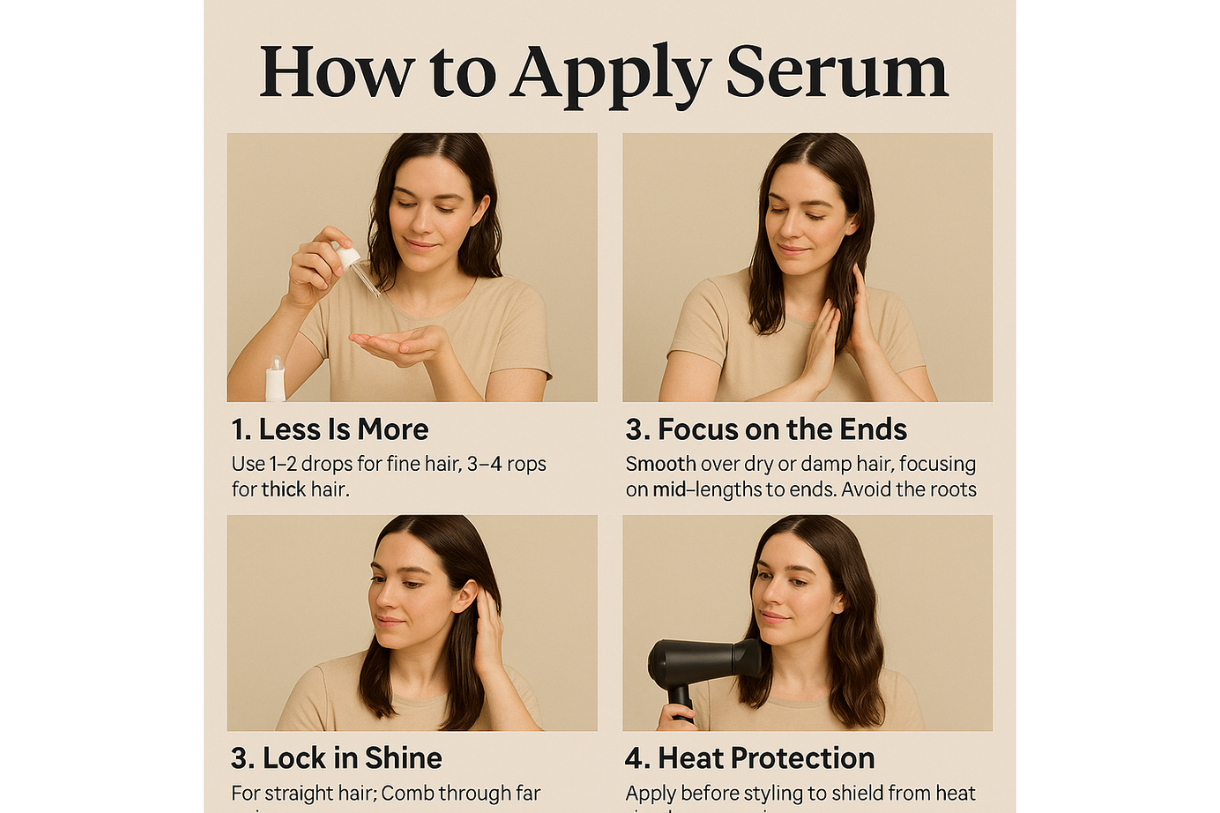
- 1. Less is more: Use 1-2 drops for fine hair and 3-4 for thick hair. Warm between palms first.
- 2. Focus on ends: Smooth over dry hair or damp hair, concentrating on split ends and mid-lengths. Avoid roots to prevent greasy buildup.
- 3. Lock in shine: For straight hair, comb through for a slick finish. For curly hair, glaze over strands to tame frizz.
- 4. Heat protection: Apply before heat styling to protect your hair and add shine.
Conclusion
Choosing between hair mousse and serum boils down to your hair type and what you want to achieve. Mousse is your ally for hold and definition, volume, and natural-looking texture, while serum shines in fighting frizz, adding glossy polish, and repairing split ends.
Ready to Transform Your Hair Routine?
Explore Sa Sa’s full collection of professional hair care essentials on our official website. Don’t miss out on the latest deals, expert tips, and exclusive launches designed to elevate your styling game. Start your journey to stronger, shinier, more confident hair—only at Sa Sa.
Recommended Hair Products:
- Giovanni 2chic Frizz Be Gone Anti-Frizz Polishing Serum – Smooths frizz and flyaways, ideal for straight or coarse hair needing sleek polish.
- Giovanni Ultra Shine Anti-Frizz Smoothing Hair Serum – Adds a glossy finish and moisture barrier, perfect before heat styling.
- Collistar Collagen Serum Redensifying Laminating – Strengthens and seals strands, offering both anti-frizz and light hold benefits.
- Giovanni Natural Mousse Air Turbo-Charged Hair Styling Foam – Ideal for fine hair, gives root lift without stiffness.
Frequently Asked Questions (FAQs)
1. Does mousse dry out hair?
Some mousses contain alcohol, which can dry strands if overused. Opt for formulas with nourishing ingredients like glycerin or oils to protect your hair while adding hold and definition.
2. Can serum weigh down fine hair?
Yes—using too much serum or applying it near the roots may make thin hair feel heavy. Stick to lightweight options and focus on ends to add shine without greasy residue.
3. Can I use mousse and gel together?
While mousse and gel both provide hold, they serve different purposes. Mousse adds volume, while gel offers stronger control. For curly hair, layer mousse first for lift, then gel for definition.
4. How often should I use serum?
For dry hair or split ends, apply serum daily. If your hair type is oily, use it 2-3 times a week. Always start with a small amount—you can always add more!
5. Will mousse work on straight hair?
Yes! Mousse isn’t just for curly hair. Apply to damp hair before blow-drying to create volume at the roots or texture for natural-looking waves.
6. Can serum replace conditioner?
No. Serum complements shampoo and conditioner but doesn’t moisturize deeply. Use conditioner after washing your hair, then serum to seal in hydration and tame frizz.
Author
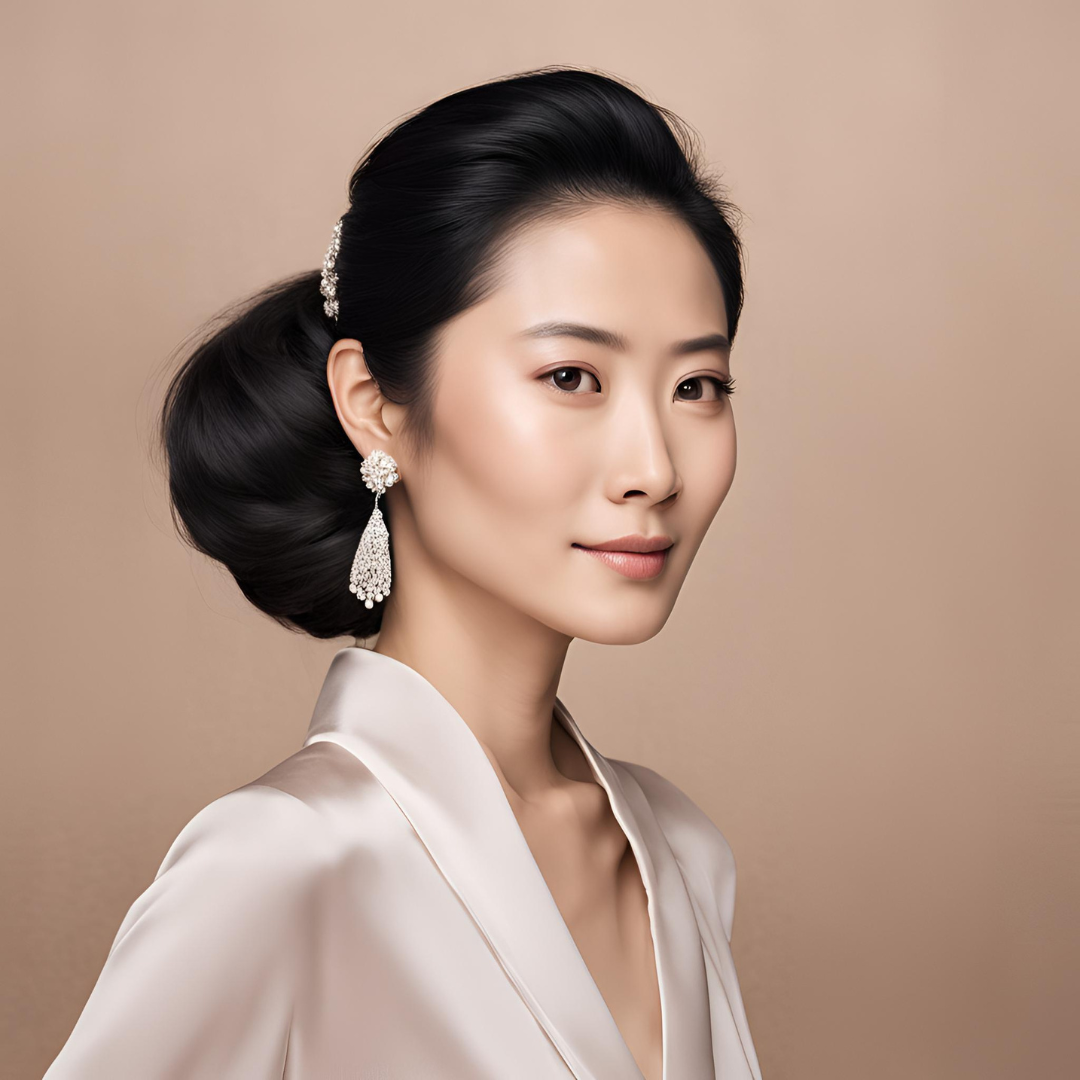
Mei Ling Cheng is a seasoned beauty expert with over 15 years of experience in professional makeup artistry and skincare consulting. As a leading beauty advisor at Sa Sa Malaysia, she specialises in enhancing natural beauty through innovative techniques and high-quality products. Her expert recommendations have helped thousands achieve flawless, long-lasting looks with confidence.
Featured Products in this Post

Related Posts
Clay Mask or Scrub First? The Right Order for Clearer Skin
How to Layer Vitamin C and Retinol Without Causing Irritation
Hair Serum vs Hair Mousse | Which Styling Product Should You Use?
Choosing a Face Mask for Your Skin Type & Skincare Routine

Best Sunscreens for Singapore's Hot Humid Weather | SPF50+ Non-Comedogenic Picks
The Ultimate Guide to Fragrance and Perfume Families in Singapore
Best Shampoos & Conditioners for Dry Hair in Singapore | Nourishing & Frizz-Control