




Staying fresh during an intense workout or a long workday is about more than trying to mask an unpleasant odour. To find the best solution, you need to know how to choose the right deodorant for your needs.
A deodorant spray plays a key role in this, but not every formula performs the same under pressure. The right choice depends on your lifestyle and preference. A high-intensity gym-goer, a long-distance runner, and someone working in an air-conditioned office will all have different needs when it comes to body odour control and sweat management. Whether you prefer a deodorant spray, a solid deodorant, a deodorant stick, or a traditional roll-on, choosing the right product matters.
Choosing incorrectly may lead to skin irritation, ineffective protection, or that uncomfortable midday freshness drop. This guide breaks down how antiperspirants and deodorants work, what active ingredients to look for, and how to make your long-lasting deodorant actually last longer, day in and day out, when you need it most.
Quick Answer: What Makes a Deodorant Right for Active Lifestyles?
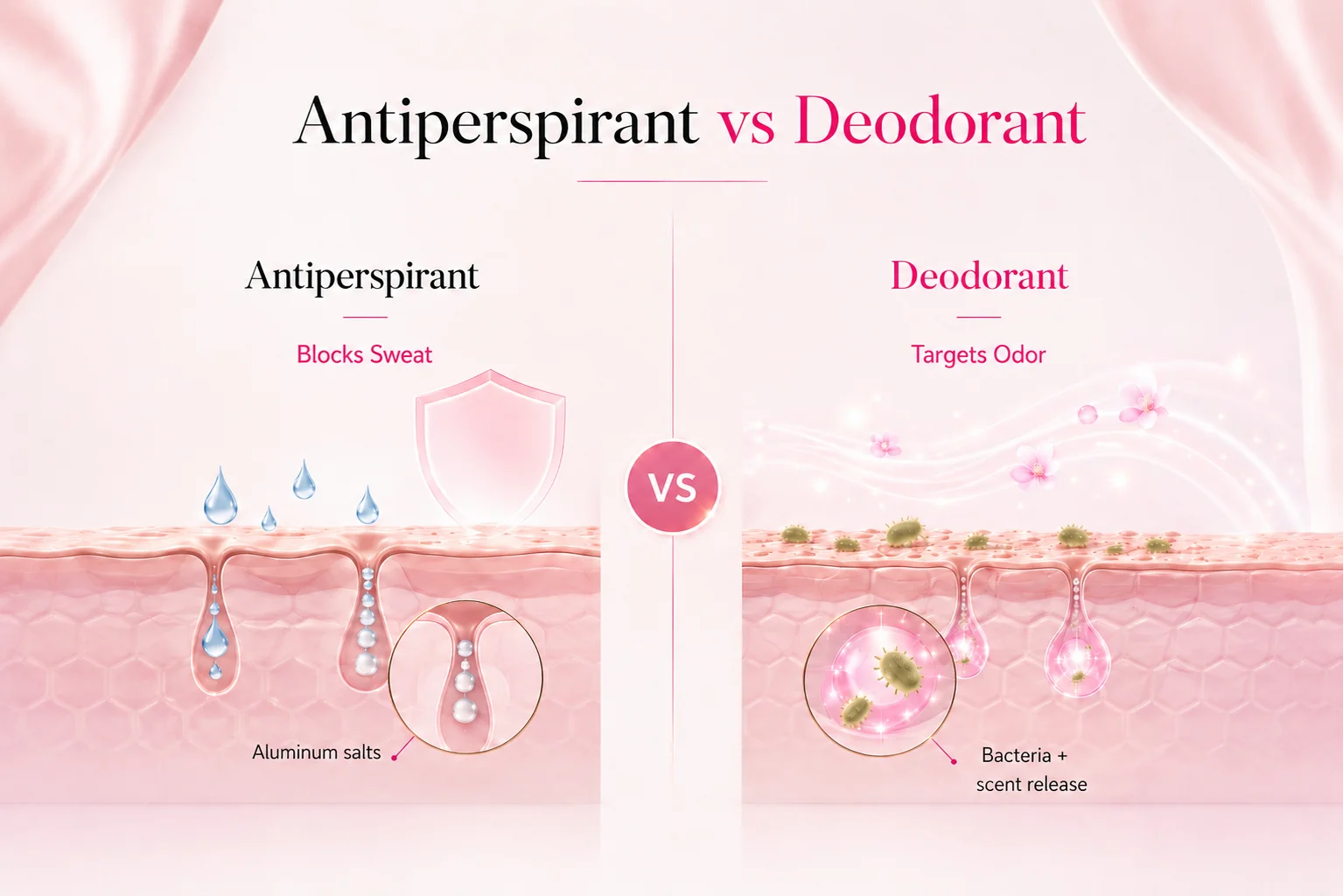
If you sweat heavily, an antiperspirant-based spray is more effective at blocking sweat. If you prefer a lighter, skin-friendly option, go for a natural deodorant or aluminium-free formula focused on odour neutralisation.
To find the best deodorant that suits you best, look for fast-drying sprays, gentle natural ingredients, and a formulation designed to hold up through movement and heat without causing your skin to become irritated.
Key Takeaways
- Antiperspirant vs deodorant: One blocks sweat; the other targets odour
- Sweat itself has no smell: Pungent odours come from bacterial breakdown
- Motion-activated formulas: Improve a deodorant's lasting performance
- Alcohol-free options: Reduce irritation after shaving or workouts
- Consistent application timing: Improves effectiveness dramatically
Understanding Sweat and Odour Control
Perspiration or sweat is a natural mechanism to regulate body temperature. Unpleasant odours form when sweat interacts with bacteria on the skin. Most sweat from the sweat glands is largely odourless; it is the antibacterial balance and bacterial activity on the armpit surface that creates the smell.
To effectively use a deodorant, you should know that they work by targeting the bacteria themselves with antimicrobial properties. Meanwhile, antiperspirants take a different approach: they contain aluminium salts to reduce sweat output by temporarily blocking the sweat ducts. Some sprays also use motion-activated fragrance technology, releasing scent molecules as you move rather than all at once.
In short, sweat is not the problem. It is how it interacts with bacteria that determines freshness and overall hygiene.
Types of Deodorant Spray
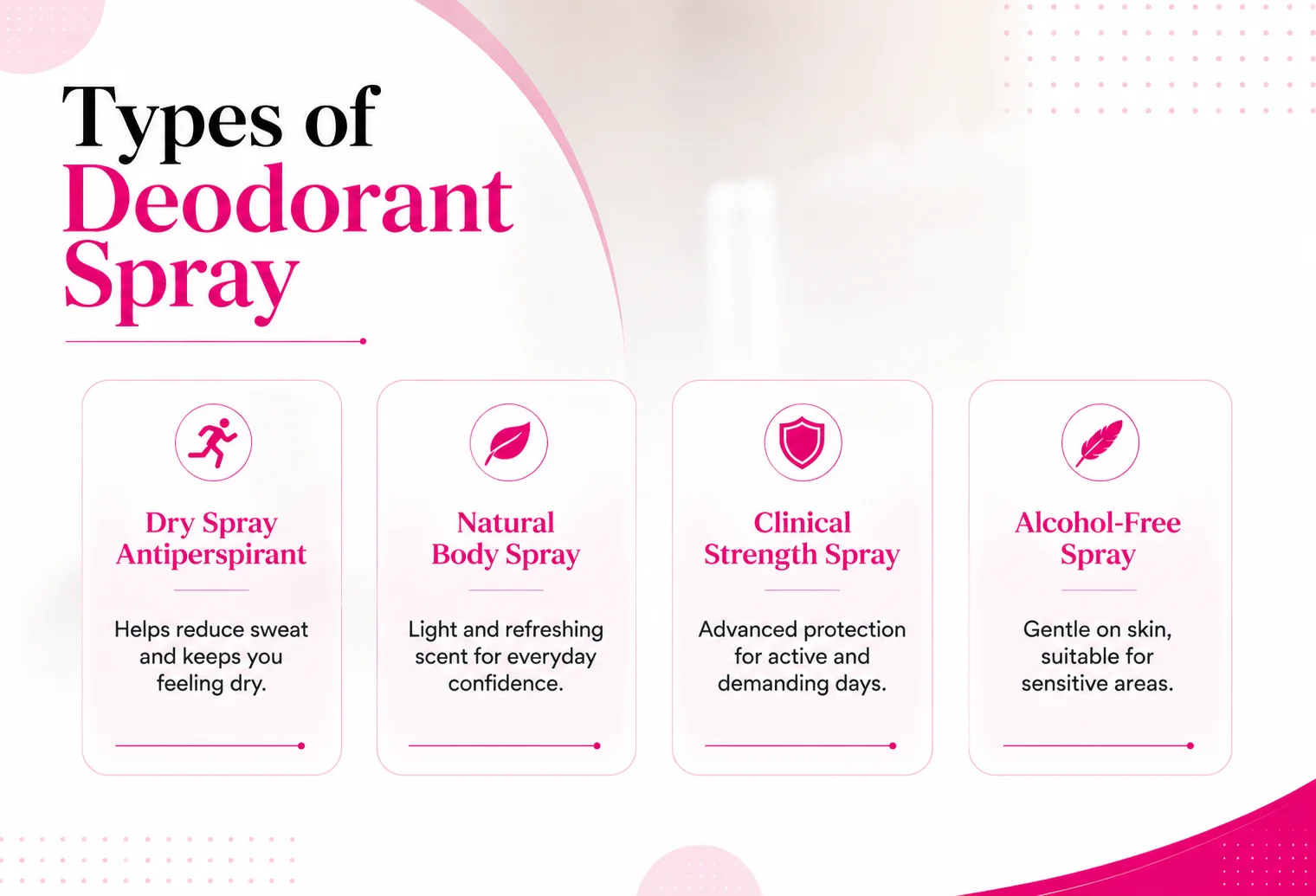
Not all sprays serve the same purpose, and many wonder how to choose a deodorant versus roll-ons or a stick deodorant. Choosing the right deodorant depends on your activity level and whether you have sensitive skin.
| Type | Best For | Key Benefit |
|---|---|---|
| Dry Spray Antiperspirant | Intense workouts | Blocks sweat and dries quickly |
| Natural Body Spray | Light activity | Neutralises odour without aluminium |
| Clinical Strength Spray | Heavy sweating | Long-lasting sweat protection |
| Alcohol-Free Spray | Sensitive skin | Reduces irritation and dryness |
Each type offers a different approach to maintaining freshness as an essential hygiene product, supporting long-lasting deodorant performance.
Ingredients That Improve or Reduce Performance
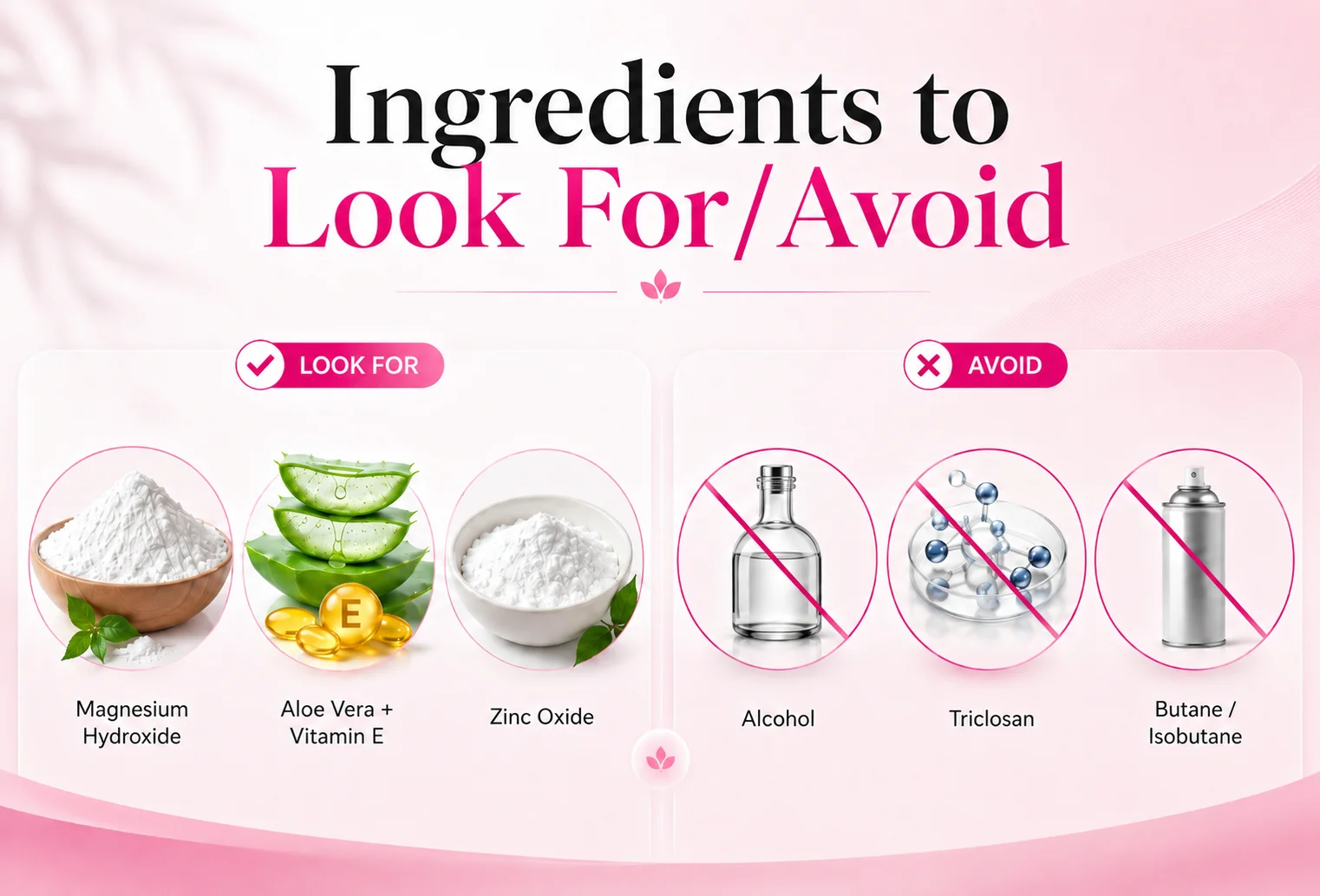
The effectiveness of your deodoriser depends heavily on its ingredients to combat body odour. Some prefer to formulate their routines with clean care products.
Ingredients to Look For
- Baking soda & magnesium hydroxide: Odour-absorbing agents that neutralise odour without clogging pores.
- Aloe Vera & Vitamin E: Soothe the skin, moisturise, and reduce post-shave irritation.
- Zinc Oxide: Helps control bacteria and calm inflammation.
These ingredients support effective odour control while working to enrich and protect the skin barrier. The resulting aroma can vary from citrus and fruity to floral or woody cedar, ensuring scents are subtle yet effective.
Ingredients to Avoid
- Alcohol: Dries out and irritates sensitive underarms.
- Triclosan: An antibacterial agent now avoided in many formulas due to regulatory concerns.
- Butane/Isobutane: Common propellants that may be irritating in enclosed spaces.
- Additions like parabens or phthalates: You may wish to avoid any unnecessary additives like parabens or formulas that contain unhealthy chemicals.
A quick note on ingredients: While some consumers look for formulas that do not contain aluminium due to internet myths linking it to breast cancer or Alzheimer's disease, health experts and any board-certified dermatologist will confirm there is no conclusive scientific evidence for these claims. Still, many prefer an aluminium-free approach purely for personal peace of mind and cleaner routines.
Best Deodorant Spray Options for Active Lifestyles

Different lifestyles require different levels of protection. Choosing based on activity helps improve performance.
| Lifestyle | Recommended Features |
|---|---|
| The Heavy Sweater |
|
| The Natural Lifestyle User |
|
| The Everyday Professional |
|
| The Active Athlete |
|
How to Make Your Deodorant Last Longer
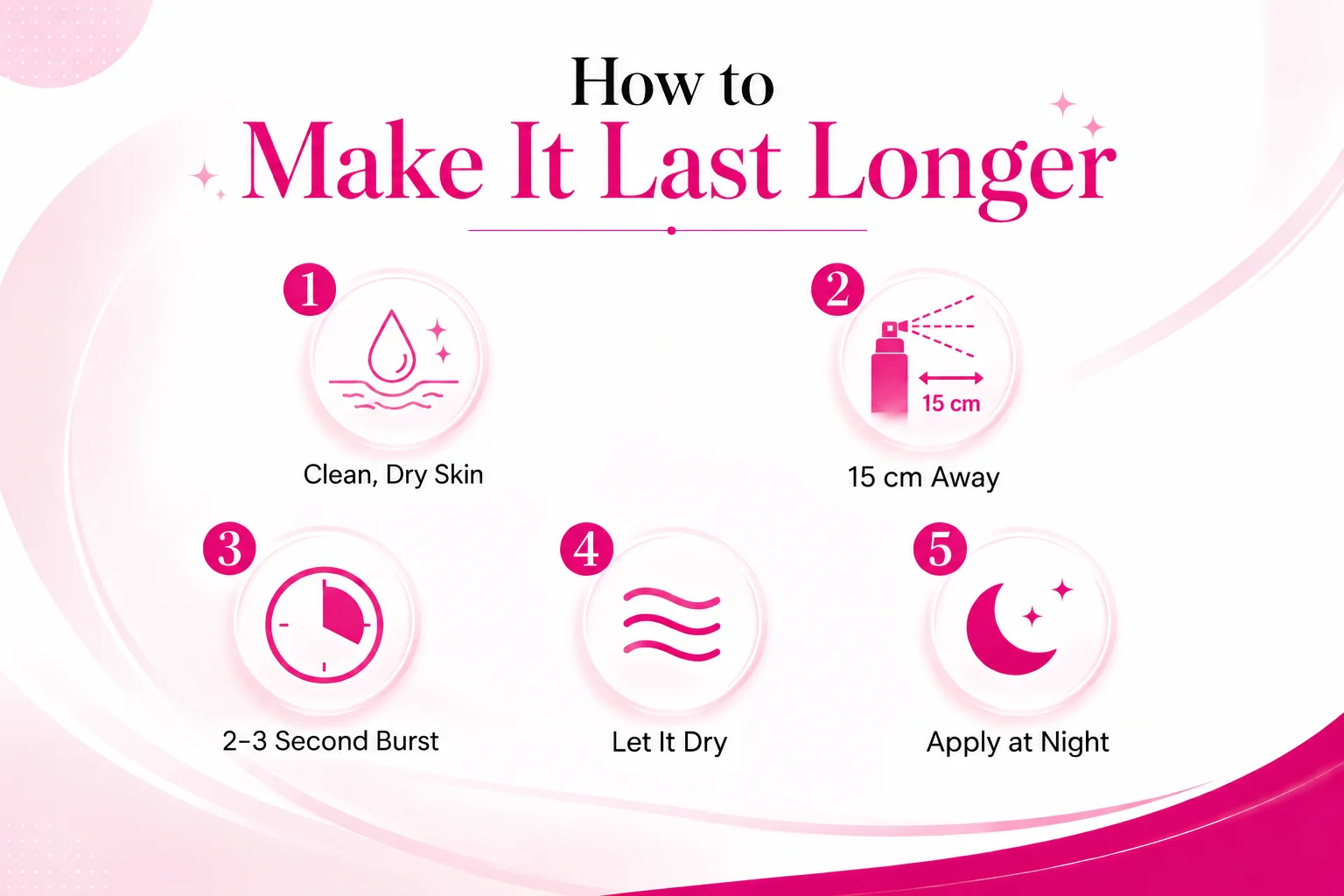
Even the best formula will not perform well without proper application. Follow these steps to maximise effectiveness:
- Apply only on clean, dry skin to prevent bacteria accumulation.
- Hold the spray about 15 cm away (or apply your roll-on deodorant evenly).
- Use a 2-3 second burst per underarm.
- Allow the product to dry fully before dressing.
- Apply at night for stronger sweat barrier formation.
Consistency plays a major role in how well your long-lasting deodorant performs throughout the day.
Common Mistakes People Make
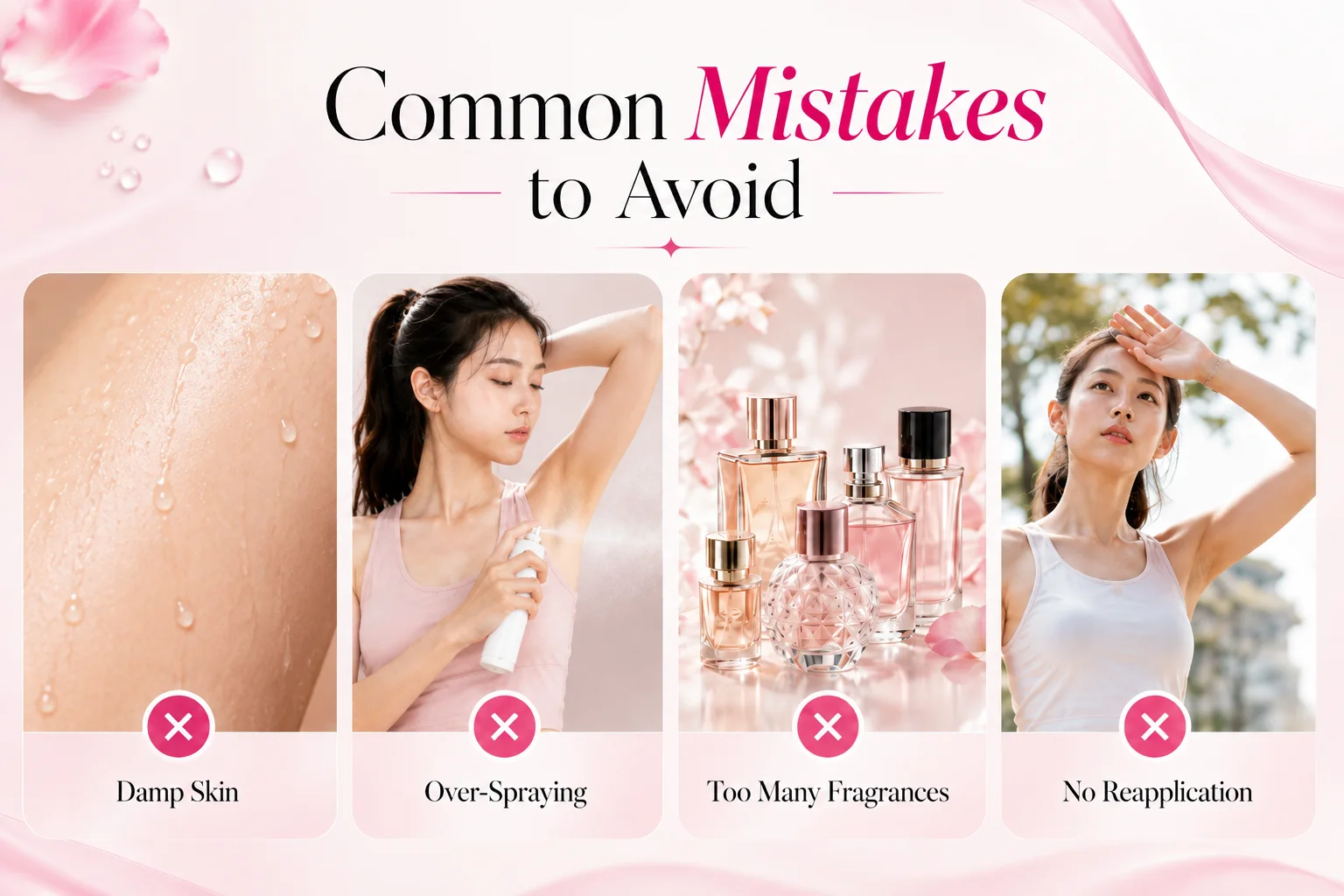
Many users unknowingly reduce the effectiveness of their deodorant spray by applying it on damp skin straight after showering, over-spraying rather than applying evenly, layering too many fragrances at once, or not reapplying during long active days.
Avoiding these habits makes a measurable difference in how well odour control holds up in your daily hygiene routines.
Lifestyle Perspective: Choosing What Fits You
Your deodorant should match your daily rhythm. If you train daily, performance sprays earn their place. If skin health comes first, gentle natural formulas are worth the switch over a traditional roll-on. If you travel often, compact and fast-drying sprays remove one less variable from your bag. The goal is a routine that fits your life without extra thought.
Climate and Environmental Effects
Climate affects how much protection you actually need. Hot, humid weather increases sweat production, so formulas that work fine in winter may fall short in summer. Air-conditioned environments reduce sweating but still require odour control throughout the day.
Reapplying before an evening activity, or keeping a travel-size spray to hand, makes more of a difference than switching products entirely.
Building the Right Routine
Choosing the right product is crucial. Simple habits like applying deodorant at the same time daily, keeping underarms clean before application, and adjusting strength based on activity level can significantly improve overall performance.
Over time, this consistency enhances protection and reduces the need for frequent reapplication, making your hygiene routine more efficient, reliable, and stress-free.
Choose Performance That Moves With You
A deodorant spray is more than a fragrance. It is a functional part of your personal care routine. The right formula helps control odour, manage sweat, and support confidence throughout the day.
Whether you go for clinical strength or an aluminium-free option, ingredient awareness and consistent use are what make the difference. The best choice is one that fits your activity level, respects your skin, and keeps working from morning to night.
Explore our extensive range of deodorants and antiperspirants by visiting Sa Sa Singapore's official website. Take advantage of these application techniques to achieve long-lasting freshness and confident odour control. Embrace the art of personal care with Sa Sa SG—where the right hygiene products and fragrances become a key part of your routine.
Frequently Asked Questions (FAQs)
1. What is the difference between deodorant and antiperspirant?
Deodorant neutralises odour caused by bacteria, while antiperspirant reduces sweat by temporarily blocking sweat glands using aluminium-based compounds.
2. How do deodorant sprays control sweat and odour?
They control odour by targeting bacteria and manage sweat using aluminium-based compounds or moisture-absorbing ingredients.
3. Which deodorant spray is best for athletes or active lifestyles?
Clinical strength or dry spray antiperspirants are the most reliable for athletes, providing long-lasting sweat and odour protection during intense activity.
4. What ingredients should I look for in a deodorant spray?
Look for magnesium hydroxide, zinc oxide, aloe vera, and vitamin E for effective odour control and skin protection.
5. Which ingredients should I avoid in deodorant sprays?
Avoid alcohol, triclosan, and harsh propellants like butane or isobutane that may irritate or dry out the skin.
Author

Mei Ling Cheng is a seasoned beauty expert with over 15 years of experience in professional makeup artistry and skincare consulting. As a leading beauty advisor at Sa Sa Malaysia, she specialises in enhancing natural beauty through innovative techniques and high-quality products. Her expert recommendations have helped thousands achieve flawless, long-lasting looks with confidence.
Featured Products in this Post
Related Posts

Best Sunscreens for Singapore's Hot Humid Weather | SPF50+ Non-Comedogenic Picks

Body Acne Causes and Symptoms: Body and Back Acne Explained