




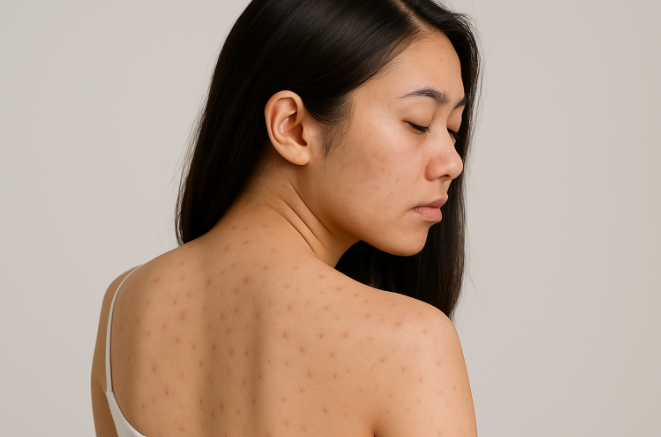
Acne isn’t limited to your face. Breakouts on your back, chest, and shoulders are irritating. It is a common problem among people in Singapore. Sweat, dead skin cells, and sebum clog your pores. The result is red, inflamed, unsightly bumps that are difficult to remove.
Body acne is a prevalent skin condition. Friction and trapped moisture aggravate inflamed hair follicles in areas that are clothed tightly. The spots are usually different from those on your face. You have them on the parts of the body that tend to be covered for a longer period.
Most of your acne is on your back, chest, and shoulders. In tropical countries, people are more prone to getting acne on the chest, shoulders, and back due to the sweat glands producing more sweat during the heat. If you are trying to find out how to treat acne, then you will need to know first what causes body acne.
In this guide, we look at how humidity causes breakouts. We also discuss how standard acne treatments may not be effective.
Body Acne Explained: Symptoms, Causes, and Why It Differs

Body acne is the result of follicles being clogged with oil and dead skin. Bacteria quickly multiply in the pore once it is filled with dead skin and oil, and this leads to red and inflamed pimples. Body acne can also appear on the back, chest, shoulders, and back of your neck. These areas of the body have many sweat glands and a higher friction rate.
In Singapore, humidity is consistently high, and this makes body acne even more common. When you sweat, it mixes with oils and dead skin and blocks the pores. Tight clothes from working out can rub against the follicles and cause even more acne. Friction from backpack straps can also be irritating, and acne on the body is caused by the skin being thicker with bigger pores than on the face.
Acne is mostly thought to be a facial issue, and the truth is that body acne is common. Because the pores are larger on the body, the outbreaks tend to show up as deep, aching lumps under the skin, which don’t respond well to acne treatments. This is why acne may appear differently on your face. The problem isn’t caused by poor hygiene, as people often think.
Too much washing can strip the skin of its protective oil barrier and further irritate the skin. In reality, humidity leading to sweat being stuck against the skin, tight and non-breathable fabrics, and hormonal changes are the main causes. Certain skin care products, like hair oils dripping onto your neck and back, clog pores and cause acne. They cause blocked pores and acne around the hairline.
Body Acne Triggers: From Hormones to Gym Habits
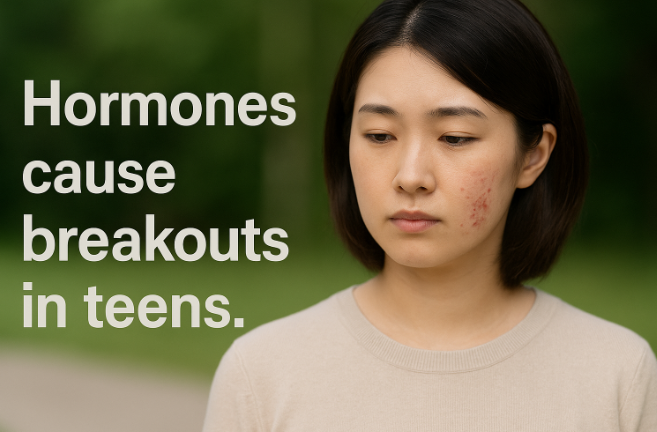
The issue is a lot more complex than the pores’ physiology. Hormones have an important function in breakouts way past your teen years. An excess production of androgens could overstimulate your oil glands (adult acne).
Hormonal acne on your body typically appears on your jawline, chest, and back. Hormone fluctuations around menstrual cycles and stress are your worst enemies since they aggravate the condition, resulting in acne that either worsens or makes new pimples appear.
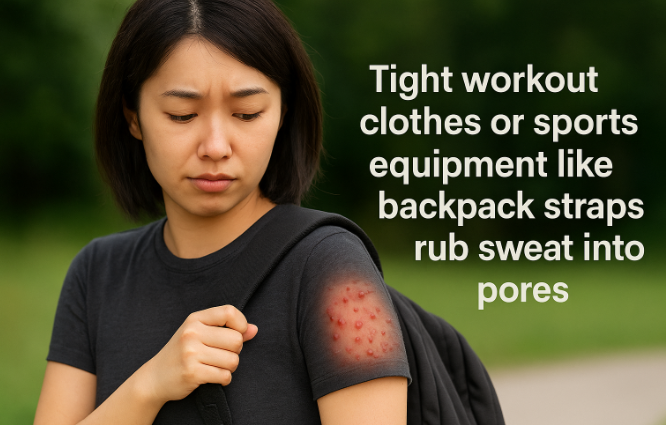
Day-to-day practices also impact your skin’s health. Tight workout clothes or sports equipment like backpack straps rub sweat into pores. Backpack straps and other sports accessories that rub on your skin can irritate your hair follicles (acne mechanica) due to friction.
Synthetic fibers don’t allow your skin to breathe, so sebum and dead skin cells can glue themselves in pores. Similarly, showering immediately after a workout is the best option, as it allows less time for bacteria to multiply if you decide to wait.
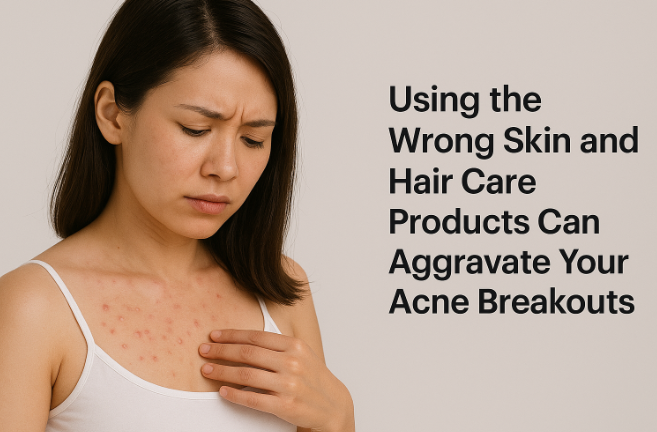
Using the wrong skin care products can aggravate your acne breakouts. Thick, oil-based lotions and serums not labeled “non-comedogenic” (non-pore-clogging) can clog your pores. Hair products that drip onto your neck and shoulders are also responsible for contributing to acne on your chest.
Don’t expect what works for your face to work for your body. Thicker skin can handle a higher concentration of active ingredients, though some areas (chest, for example) can be sensitive and need a gentler formula.
Dermatologist Tips: Body Acne Management and Treatment
The fight against body acne begins with making the right product choices. Over-the-counter topical options with salicylic acid or benzoyl peroxide are effective for mild body acne. Salicylic acid works inside pores to gently exfoliate and remove dead skin cells. Benzoyl peroxide kills acne-causing bacteria. Remember to use a lower concentration (2.5% BP or 0.5% SA) to prevent dryness.
For sensitive areas like the chest or neck:
- Use gentle exfoliators 2–3 times weekly (not scrubs)
- Apply calming spot treatments with zinc or calamine.
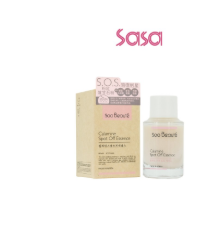
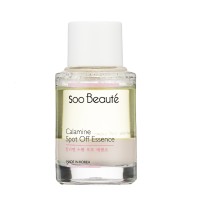
- Try Sa Sa’s Soo Beauté Calamine Spot Off Essence on inflamed spots
For stubborn back acne:
- Wash with acne body washes after conditioning hair (prevents pore-clogging residues)
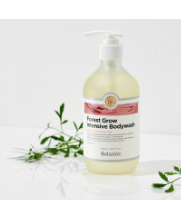
- Use spray-on treatments for hard-to-reach areas. Sa Sa’s Botamix Body Wash with tea tree combats sweat buildup.
When to see a dermatologist:
- If OTC options fail after 8 weeks
- For deep, painful cystic acne or scarring
- When breakouts affect your self-esteem or mimic other skin diseases
- Prescription treatments like retinoids or antibiotics may be required. If you have hormonal body acne, your doctor may suggest certain birth control pills or spironolactone.
Prevent Body Acne: Sasa’s Singapore Skin Routine
A daily cleansing routine with effective products is the key to combating body acne. Look for lightweight formulas that keep your skin clear without clogging pores (non-comedogenic), especially since we live in a high-humidity area like Singapore.
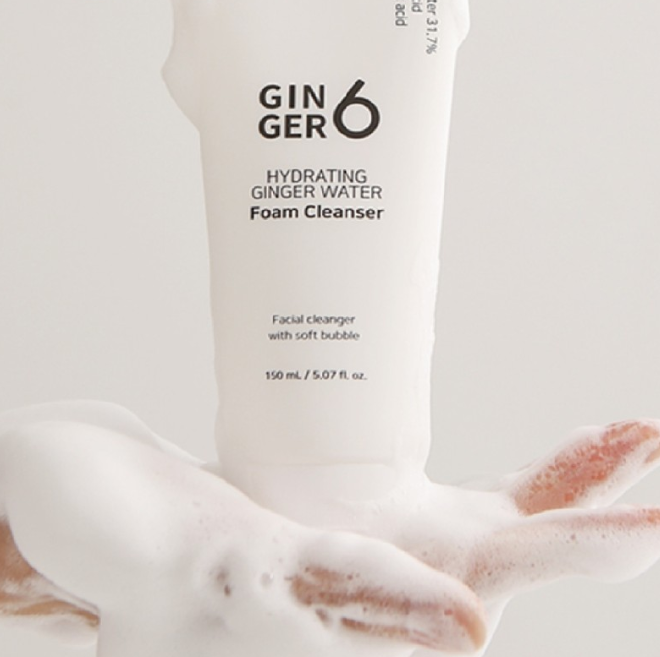
We like to start with a gentle but effective cleanser like Ginger6 Hydrating Ginger Water Foam Cleanser. Infused with plant-based ingredients, this gentle cleanser removes sweat and excess oil while retaining skin’s natural moisture, making it an ideal daily cleanser to use after a workout or before bed.
For active breakouts, target spots quickly:
- APIEU Tea Tree Spot Serum dries out pimples overnight with natural antiseptic power
- Dr.Young AC Out Spot Stop Serum reduces redness and prevents new bumps.
- Soo Beaute Calamine Essence calms angry, inflamed acne on sensitive areas
Prevent clogged pores to treat body acne on your back and chest with Botamix Forest Grow Intensive Body Wash. Its antibacterial formula fights sweat-related breakouts without harsh chemicals. Follow with Collistar Anti-Dark Spot Concentrate on older marks—glycolic acid gently resurfaces while niacinamide brightens acne scars.
Remember: What clears acne varies by person. If breakouts persist after 6–8 weeks, consult a healthcare provider. Somebody's acne needs prescription-strength solutions.
Pro tip: Apply treatments to dry skin after showering. Damp skin absorbs actives more effectively, enhancing results.
Back Acne and Beyond: Winning Your Acne Treatment Journey
Clearing body acne can be challenging, but it takes patience and the right approach. Start with these essential steps:
- Cleanse gently but thoroughly after sweating, using oil-free washes.
- Treat active breakouts daily with targeted serums like salicylic acid or benzoyl peroxide.
- Prevent new flare-ups by wearing loose, breathable fabrics and showering promptly after exercise.
- Protect healing skin with non-comedogenic moisturizers to avoid scarring.
Treatment results in improvement for the majority of individuals within 4 to 8 weeks with consistent management. If your acne doesn't clear up or if your acne is causing you serious psychological distress, you should discuss this with your physician. Your healthcare provider may recommend prescription retinoids or antibiotics to treat moderate to severe acne and prevent long-term acne scars.
Body acne is not who you are. Achieving smooth skin is possible with the right skincare routine and a healthy dose of realistic expectations. Start simple with the steps below. Your future self will thank you.
Visit Sa Sa Singapore online today to discover the right products to help you achieve clearer, smoother skin on your back, chest, and beyond.
Frequently Asked Questions (FAQs)
1. What causes body acne?
Body acne forms when oil and dead skin cells clog your pores and cause blockages. Bacteria grow, creating red lumps under your skin. Tight clothes, sweat, or pore-clogging products make acne worse. This common skin condition often appears on the upper back.
2. Is body acne different from face acne?
Yes. Though both are acne vulgaris (the most common type of acne), body skin is thicker. Pimples on your back form deeper lumps. Facial acne treatments aren’t always effective here and can cause skin irritation. It’s important to use body-specific products.
3. Can I prevent body acne?
Yes. Shower after sweating to clean your skin. Wear loose clothes and use non-comedogenic products to avoid acne cosmetica. Don’t scrub harshly—this leads to breakouts. Keeping skin clear reduces acne formation.
4. What types of body acne exist?
Beyond pimples:
- Different types of acne include: Whiteheads, blackheads, and painful nodular acne (lumps under the skin)
- Painful lumps under your skin (nodules/cysts)
- Acne usually appears on the back/chest, but can occur anywhere.
5. When to see a doctor?
If OTC treatments fail after 8 weeks, acne causes scarring, or you have severe lumps. People between the ages of 12-24 often get acne during puberty, but acne can persist in adults. Dermatologists offer Food and Drug Administration-approved solutions when store-bought options don’t work.
Author
Mei Ling Cheng is a seasoned beauty expert with over 15 years of experience in professional makeup artistry and skincare consulting. As a leading beauty advisor at Sa Sa Malaysia, she specialises in enhancing natural beauty through innovative techniques and high-quality products. Her expert recommendations have helped thousands achieve flawless, long-lasting looks with confidence.
Featured Products in this Post
Related Posts
Best Cleansing Oils & Balms for Removing SPF and Makeup Singapore
Best Facial Tools for Your Skincare Routine | Gua Sha, Rollers & Cleansing Devices
Aloe Vera Benefits for Skin | What It Does and How to Use It
The Best Way to Remove Makeup Thoroughly Without Damaging Skin
How to Apply Body Lotion for Maximum Hydration | Body Moisturising Tips
Best Deodorant Spray for Active Lifestyles
How to Choose the Best Serums for Singapore's Tropical Weather