




Introduction: The Gold Standard of Anti-Aging
Ageing is natural, but your skincare routine can help your skin look smoother, healthier, and more refreshed over time. Retinol is a powerful skincare ingredient, but the right approach depends on your skin type, tolerance, and goals.
Among the many skincare ingredients available, retinol remains a favourite for improving visible signs of ageing.
A well-formulated anti-ageing retinol serum helps support skin renewal, improve texture, and reduce the appearance of concerns like fine lines, wrinkles, and uneven skin tone.
The secret is consistency. Instead of using the strongest formula, focus on choosing a retinol product with a retinol concentration that suits your skin and fits your routine. If you’re new to retinol, starting slowly is usually more comfortable.
With patience and proper care, retinol can become a powerful addition to your anti-ageing skin care journey.
Quick Summary: Why Retinol Works
Retinol is a derivative of vitamin A that helps encourage skin renewal. It works by supporting the natural processes that keep skin looking fresh and youthful.
With consistent use, retinol can help improve:
- The appearance of fine lines and wrinkles
- Uneven skin texture
- Dull-looking skin
- Loss of firmness
- Visible signs of ageing
A successful retinol routine is not about rushing results. It is about choosing the right product, applying it correctly, and allowing your skin time to adjust. A dermatologist can also help you decide which retinol concentration is appropriate if you have persistent sensitivity or specific skin concerns.
Key Takeaways
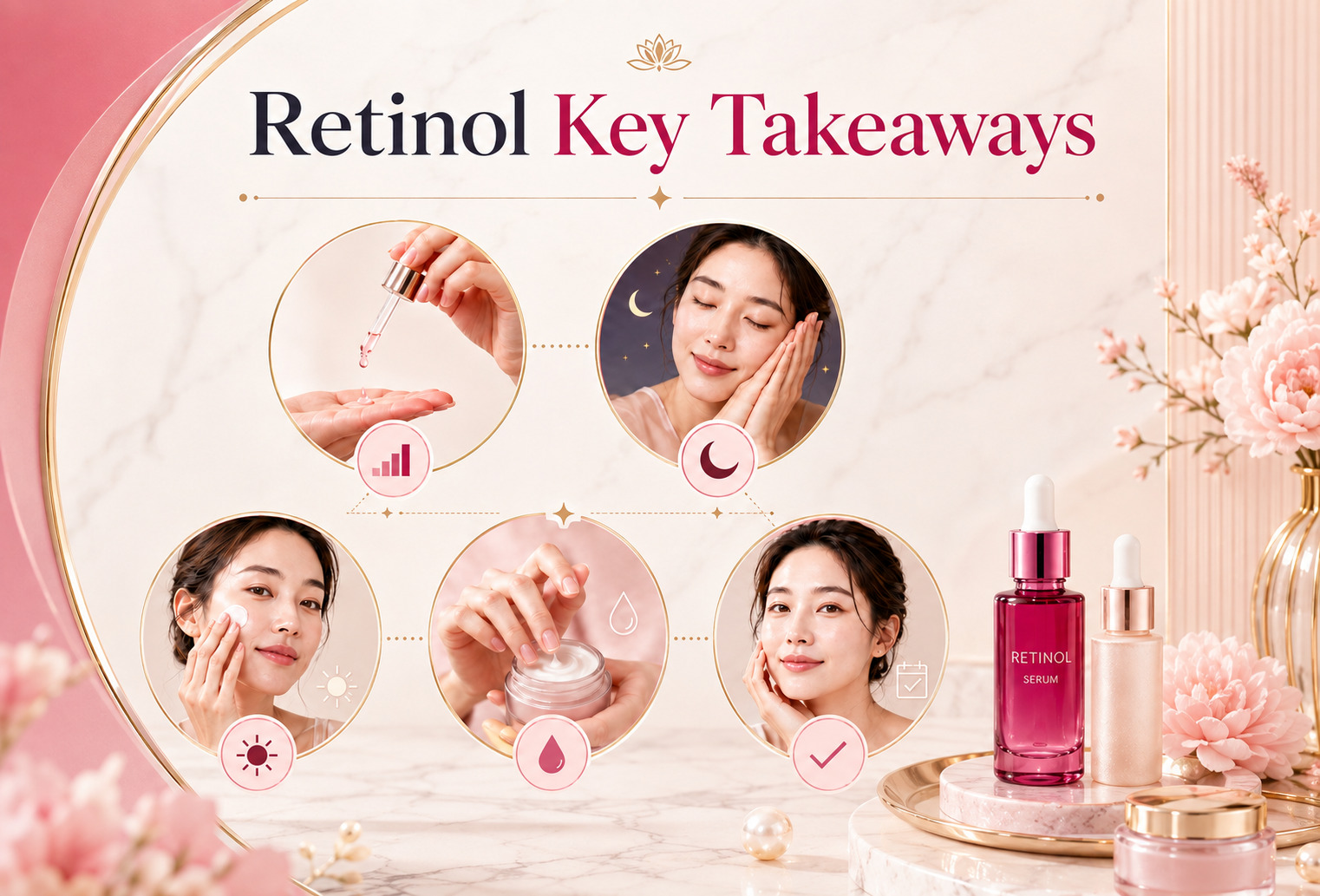
Before adding retinol into your skincare routine, remember:
- Start with a lower retinol concentration and increase gradually
- Use retinol mainly during your nighttime routine
- Always apply sunscreen the next morning
- Combine retinol with hydrating ingredients for better comfort
- Consistency matters more than using a strong formula
Skincare is a long-term investment. A simple routine you can maintain will always perform better than an aggressive routine that irritates your skin.
How Retinol Helps Reduce Signs of Ageing
One of the main reasons retinol is widely included in anti-wrinkle products and retinol creams is because of its ability to support collagen production and skin renewal.
As we get older, collagen levels naturally decrease. This can contribute to visible concerns such as forehead wrinkles, fine lines, and reduced skin elasticity, particularly in mature skin.
Retinol helps by encouraging skin cells to renew more efficiently. This process helps replace older skin cells with newer ones, creating a smoother and more refined appearance and helping smooth fine lines over time.
Retinol also supports the skin’s structure by helping maintain firmness and improving overall texture. Over time, this can improve skin texture and make the skin appear healthier and more youthful.
Another area where many people notice ageing is around the eyes. Because the skin around this area is naturally thinner, it is often one of the first places where eye wrinkles become visible.
A gentle retinol formula, when used correctly, may help treat fine lines and improve the appearance of these concerns. If the area is especially reactive, a dermatologist can advise on whether an over-the-counter retinol is suitable.
Different Types of Retinol Products
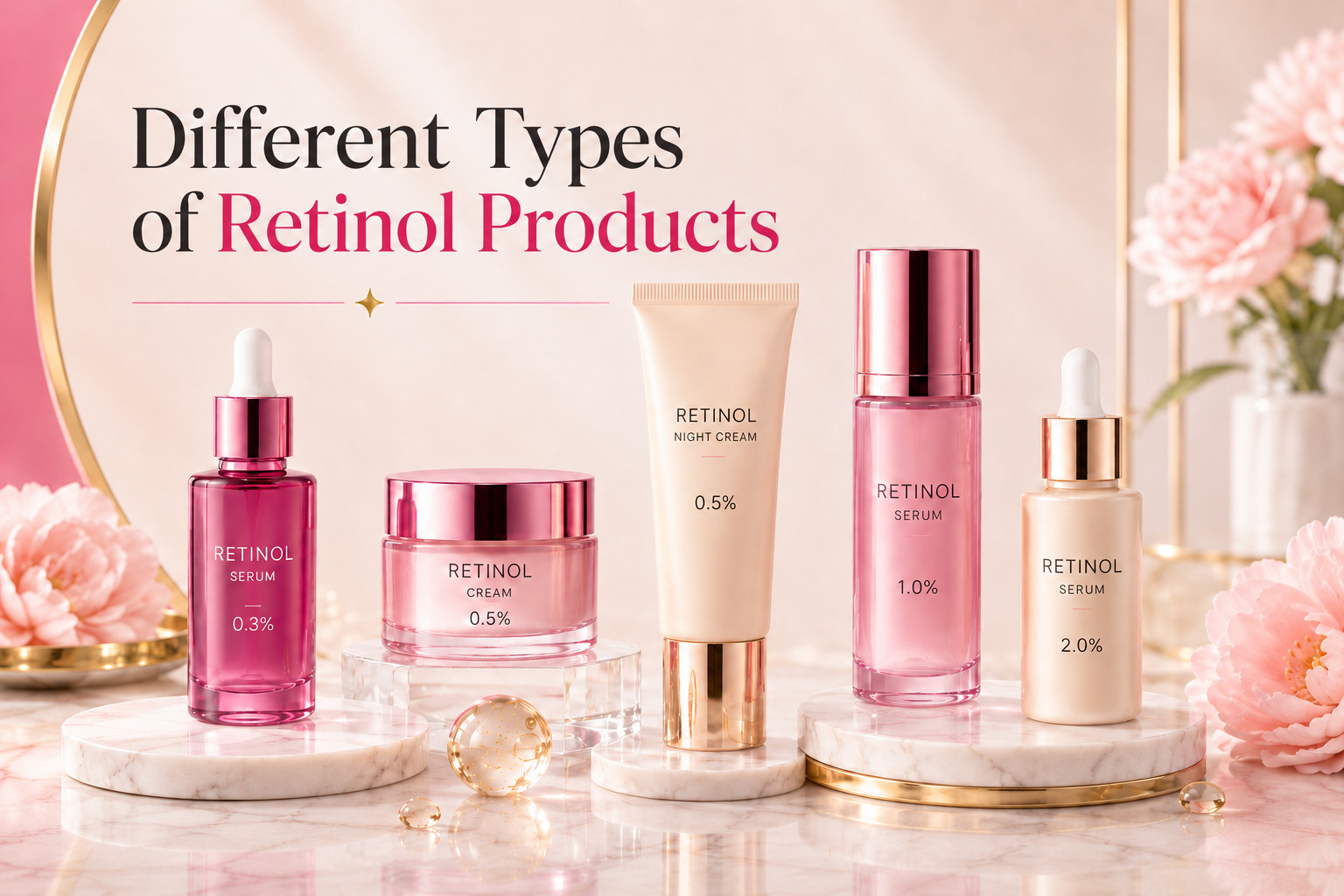
Not all retinol products are created equal. The right option depends on your skin type, experience level, skincare goals, and the concentration of retinol in the formula.
| Retinol Type | Best For | Benefits |
|---|---|---|
| Retinyl Palmitate | Beginners or sensitive skin | A gentler Vitamin A derivative |
| Encapsulated Retinol | Most skin types | Helps deliver retinol gradually to reduce irritation |
| Retinaldehyde | Experienced users | A stronger option with faster visible results |
| Prescription Retinoids | Clinical skincare needs | More intensive treatment under professional guidance |
For beginners, gentler formulas are usually the best starting point. Your skin needs time to adapt, and starting slowly can help prevent dryness, redness, or discomfort. A formula that contains encapsulated retinol may also be easier to introduce gradually than a higher-strength pure retinol product.
Products may also differ in texture. Some retinol creams are thicker than most serums, while a retinol night cream may suit dry or mature skin that benefits from extra moisture. A serum can feel lighter for oily skin, although the overall formulation matters more than texture alone.
Choosing the Best Retinol Serum
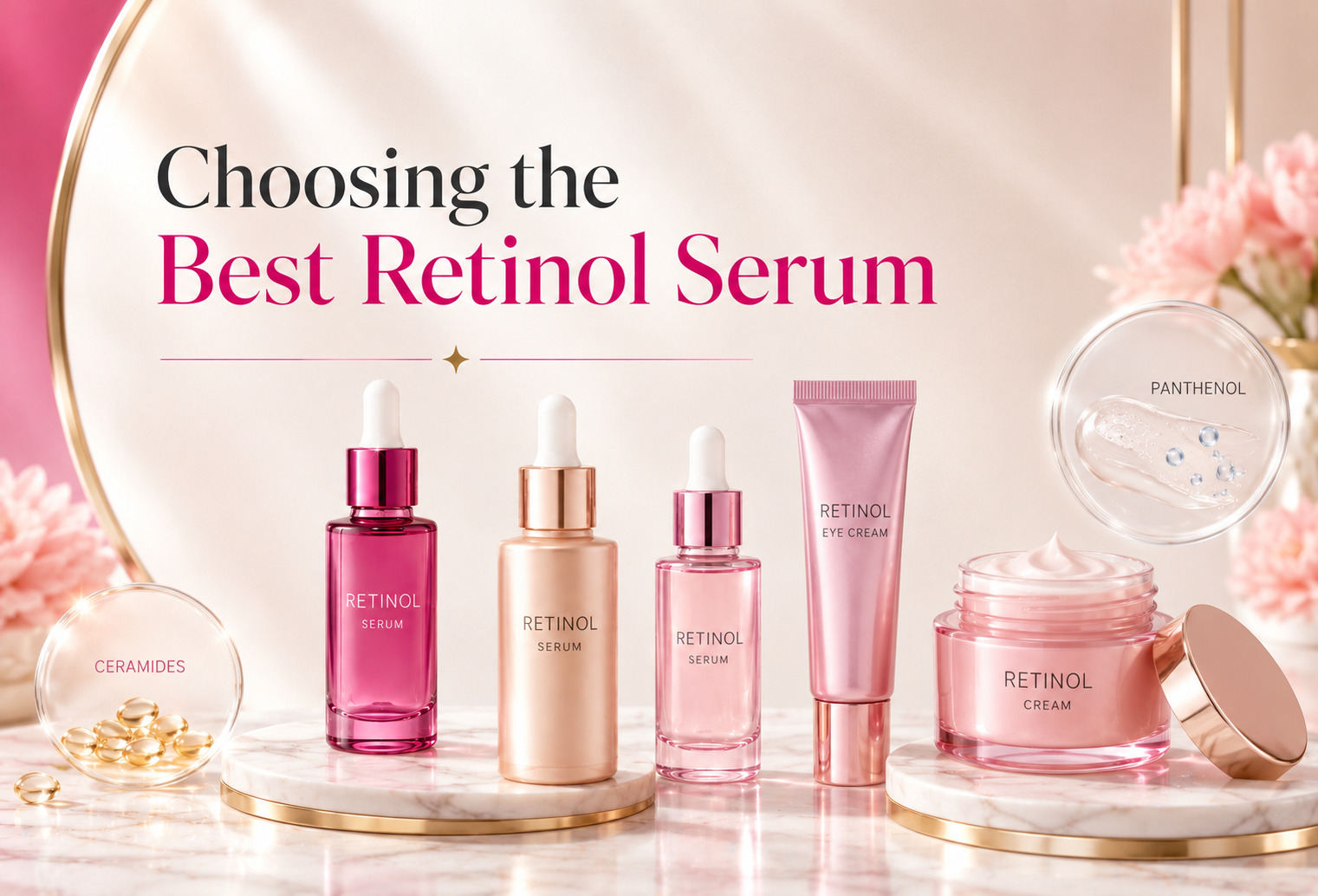
When selecting a retinol serum, it is important to look beyond the percentage. What you should look for in a retinol formula is a balance between effectiveness, supporting ingredients, and skin comfort.
Look for products that include supporting ingredients, such as:
- Panthenol to help soothe and support the skin barrier
- Ceramides to maintain moisture
- Hyaluronic acid to provide hydration
- Calming ingredients to reduce sensitivity
A combination of retinol with barrier-supporting ingredients can help the skin feel more comfortable as it adjusts. Retinol and hyaluronic acid are a common pairing because hydration can support comfort without reducing the role of the retinoid.
A beginner-friendly option is Attivi Puri Retinol Panthenol Drops 30ml, which combines retinol with panthenol to support a smoother introduction to retinol skincare.
For those who prefer a cream texture, Attivi Puri Retinol Phloretin Cream 50ml offers a nourishing alternative that supports both skincare comfort and anti-ageing goals.
The best product is not necessarily the strongest one. It is the one you can use consistently without damaging your skin barrier. Whether a product contains retinol at a low or higher level, tolerance still matters. For acne-prone skin or easily irritated skin, a dermatologist can help assess whether a lower retinol concentration or a different formula is more appropriate.
How to Use Retinol Safely
Retinol should be introduced slowly, especially if you are new to vitamin A skincare. Using a retinol serum correctly matters just as much as choosing the product itself.
A simple nighttime routine could look like this:
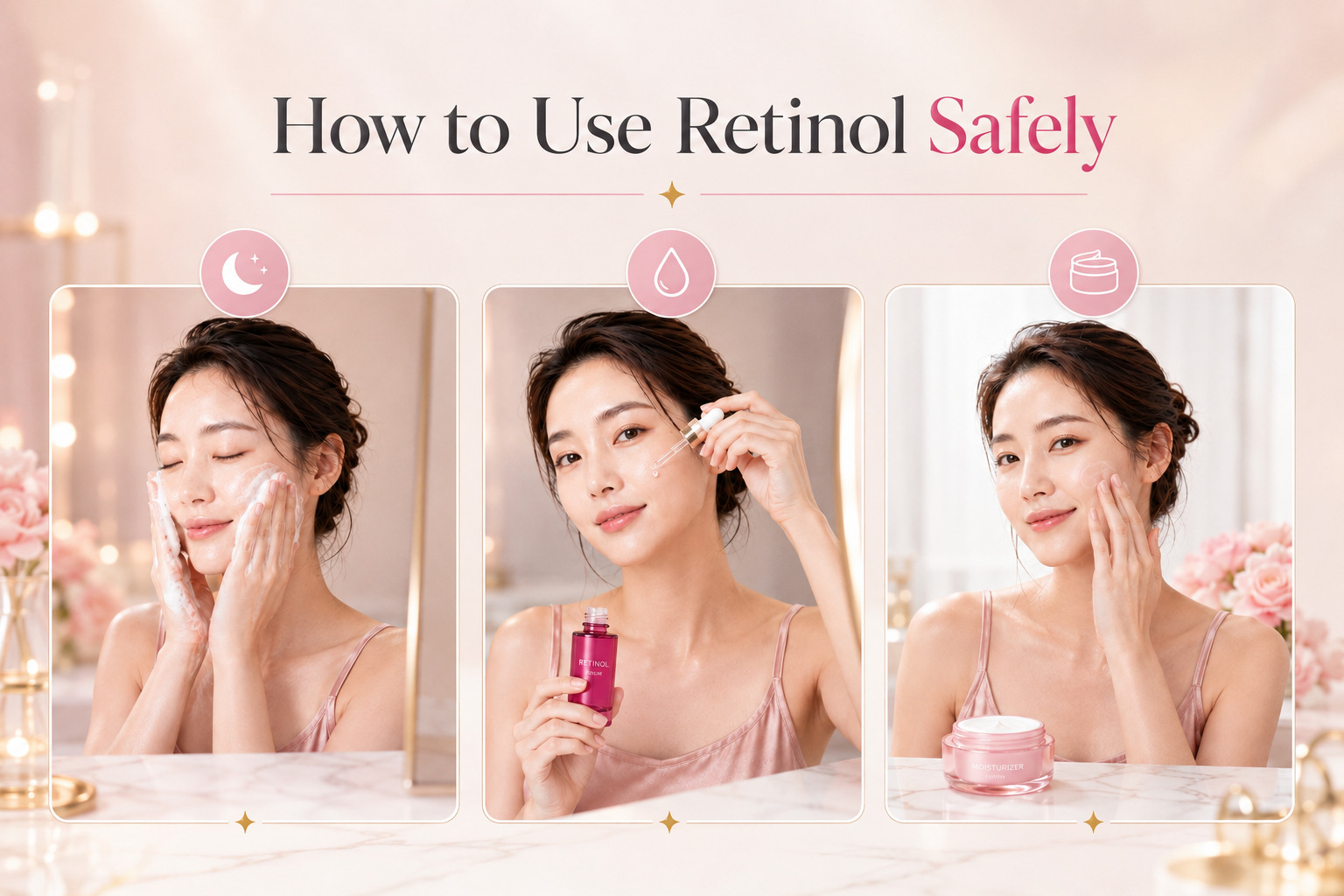
- Cleanse your face gently
- Wait until your skin is completely dry, then apply a pea-sized amount of retinol
- Follow with a moisturiser or night cream
- Apply sunscreen the next morning
Many skincare users also follow the “retinol sandwich” method:
- Apply moisturiser first
- Add retinol
- Apply another layer of moisturiser
This technique helps reduce irritation while allowing your skin to adjust gradually.
Avoid using retinol every night immediately. Start with two nights per week and increase based on how your skin responds. Using a retinol at a lower frequency can be more sustainable than starting with a high retinol concentration too quickly.
If you choose to apply retinol serum at night alongside other actives, avoid layering too many potentially irritating products at once. For example, a vitamin C serum is often easier to keep in the morning routine, while retinol is reserved for night.
Tips to Maximise Retinol Benefits
Getting the best results from retinol requires more than just applying the product.
Here are some simple habits that can make a difference:
- Avoid mixing too many active ingredients at once
- Do not combine retinol nights with harsh exfoliating treatments
- Keep your skin hydrated with gentle moisturisers
- Always use SPF during the day
- Be patient and consistent
Many people stop using retinol because of early dryness or sensitivity. However, this usually happens when the skin is introduced to it too quickly or when the retinol concentration is too high for current tolerance.
Think of retinol as a fitness routine for your skin. Results come from regular practice, not from pushing too hard in a short period.
If a formula repeatedly causes burning, peeling, or prolonged irritation, stop and reassess. A dermatologist can help determine whether you should reduce frequency, switch formulas, or consider another approach.
Closing Thoughts: The Long-Term Approach to Younger-Looking Skin
Retinol is one of the most trusted ingredients for supporting smoother and healthier-looking skin.
Whether your goal is reducing the appearance of wrinkles, improving texture, or addressing early signs of ageing, the right routine makes the difference because consistency allows your skin to gradually adapt and reveal visible improvements over time naturally with patience and proper care.
A good retinol serum should fit naturally into your lifestyle. Whether your favourite retinol is a lightweight serum or a richer cream, comfort and consistency matter more than chasing the highest percentage of retinol available.
The perfect product is not the strongest formula available but the one you can apply consistently while keeping your skin comfortable and helping the skin feel balanced.
With patience, hydration, and proper sun protection, retinol can become a valuable part of your skincare journey.
Remember, great skin does not come from quick fixes. It comes from small habits repeated consistently over time.
Frequently Asked Questions (FAQs)
1. How does retinol help reduce fine lines and wrinkles?
Retinol supports skin renewal and collagen production, helping improve texture and reduce the appearance of fine lines and wrinkles over time.
2. What are the different forms and strengths of retinol serums?
Retinol serums range from gentle retinyl palmitate and encapsulated retinol to retinaldehyde and higher-strength formulas for experienced users. The ideal retinol concentration depends on tolerance, skin type, and experience.
3. Which retinol serum is best for beginners?
Beginners should choose a low-strength retinol serum with soothing ingredients like panthenol or ceramides to help minimise irritation. If you are unsure where to start, a dermatologist can help you choose an appropriate starting strength.
4. Which retinol serums are suitable for advanced users?
Advanced users may consider higher-strength or retinal-based formulas that deliver more intensive anti-ageing benefits. Some experienced users choose pure retinol formulas or retinol 0.5 products, but tolerance should guide frequency and strength.
5. How should I incorporate retinol serum into my night routine?
Apply retinol at night after cleansing on dry skin, follow with moisturiser, and gradually increase usage as your skin adjusts. If your skin tends to feel dry, a richer retinol cream can be used as part of the nighttime routine.
Author

Mei Ling Cheng is a seasoned beauty expert with over 15 years of experience in professional makeup artistry and skincare consulting. As a leading beauty advisor at Sa Sa Malaysia, she specialises in enhancing natural beauty through innovative techniques and high-quality products. Her expert recommendations have helped thousands achieve flawless, long-lasting looks with confidence.
Featured Products in this Post
Related Posts
Best Facial Tools for Your Skincare Routine | Gua Sha, Rollers & Cleansing Devices