




Introduction
Fragrance is one of the most personal forms of self-expression. The perfume you wear becomes part of your identity, yet even popular “signature scents” can feel common.
Perfume layering offers a creative way to craft a unique aroma that reflects your personality. Rather than relying on a single fragrance, you combine scents to form a multidimensional, personalised signature.
To master perfume layering, you need to understand perfume types, the fragrance pyramid, and how different notes interact. With the right approach, you can mix fragrances confidently without overwhelming the senses.
Quick Answer: How Do You Layer Perfumes?
Start with a stronger base fragrance, such as vanilla, amber, musk, or woody scents, and follow with a lighter scent, such as citrus or floral.
Spray the perfumes on different pulse points (wrists, neck, behind the ears) rather than rubbing them together. Choosing complementary notes, like rose with oud or lavender with sandalwood, will create a balanced, sophisticated scent.
Key Takeaways
Successful perfume layering depends on a few core principles:
The Heavy-to-Light Rule
Apply the stronger scent first. Rich base notes such as oud, amber, or vanilla anchor the fragrance before lighter notes are added.
Look for Shared Notes
Scents blend better when they share a similar fragrance note, such as jasmine or sandalwood.
Pulse Point Strategy
Spray different scents on separate pulse points, such as the wrists or behind the ears.
Hydrated Skin Holds Fragrance Better
Moisturised skin helps fragrance last longer and improves perfume layering performance.
Start Simple
Beginners experiment by layering scented body lotion with perfume. This introduces layering in perfume without overwhelming the senses.
By keeping these principles in mind, perfume layering becomes intuitive and enjoyable.
What Is Perfume Layering?
Perfume layering, or sometimes called fragrance cocktailing, is the art of combining multiple scents to create a unique, personalised perfume.
Instead of relying on a single perfume, you blend different scents to create a unique aroma. The practice of layering in perfume has roots in Middle Eastern fragrance traditions, where oils and perfumes were applied in layers for richer, longer-lasting scents.
Layering works because different perfume types contain distinct scent families. When combined correctly, they can transform how a fragrance feels.
For example, a light floral scent becomes warmer when paired with a woody base, while citrus notes can brighten heavier fragrances.
This flexibility allows you to customise your perfume scent based on mood, season, or occasion.
Understanding Fragrance Notes
Perfumes are built like a pyramid: top, middle, and base notes, each contributing differently to the scent’s evolution.
- Top Notes: The initial impression, usually light and fleeting, like citrus, berries, or fresh herbs. These evaporate quickly and are typically applied as the upper layer in perfume layering.
MARINA DE BOURBON - MAJESTIC STYLE EDP
- Middle (Heart) Notes: The core personality of the fragrance, often floral, spicy, or fruity. These notes develop after the top notes dissipate and define the character of the scent.
TOUS - SORBET GARDEN EDT
- Base Notes: The foundation, including vanilla, musk, patchouli, amber, or sandalwood. Base notes last the longest and should be applied first to anchor the scent.
Understanding each note ensures that layered fragrances complement rather than clash. For example, sharp green notes can add freshness to a rich vanilla base without overpowering it.
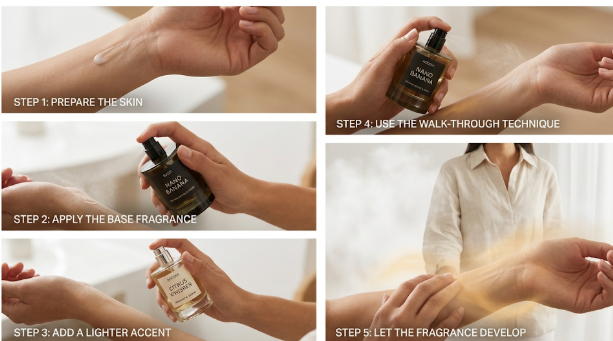
How to Layer Perfumes Step by Step
Mastering perfume layering becomes easier when you follow a structured approach.
Step 1: Prepare the Skin
Start with clean, moisturised skin. Hydrated skin helps fragrance last longer.
Step 2: Apply the Base Fragrance
Apply the stronger scent first. Woody, amber, or musky perfume types usually work best as the base.
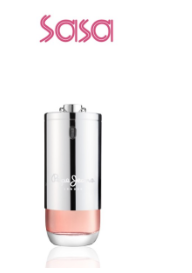
PEPE JEANS LONDON - BRIGHT FOR HER EDP
Step 3: Add a Lighter Accent
Layer a lighter scent such as floral or citrus. This adds brightness to the perfume scent.
Step 4: Use the Walk-Through Technique
Spray fragrance into the air and walk through the mist. Then apply the second scent to pulse points.
Step 5: Let the Fragrance Develop
Wait a few minutes for the fragrance note blend to develop before deciding if more layering is needed. Evaluating the blend after this stage helps determine if additional layering is necessary.
Common Perfume Layering Mistakes to Avoid
Even with careful planning, perfume layering can go wrong. Avoid these mistakes to make sure you don’t ruin your balance:
Using Too Many Strong Scents
Combining several heavy fragrances can overwhelm the senses. Pair one strong scent with a lighter perfume scent instead.
Rubbing wrists after spraying creates friction that breaks down the top fragrance note and alters scent development.
Mixing Incompatible Scent Families
Some perfume types simply do not blend well. For example, aquatic fragrances may clash with powdery florals.
Ignoring Skin Chemistry
Skin chemistry affects how scents develop. A blend that smells great on paper may behave differently on your skin.
By being mindful of these mistakes, you can experiment confidently and avoid creating scents that clash or fade prematurely.
Tips for Making Layered Scents Last Longer
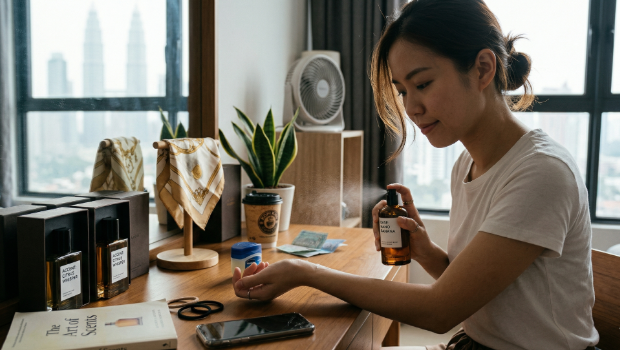
The longevity of a layered fragrance depends on both technique and environment. Apply perfume to warm pulse points like the wrists, neck, inner elbows, and behind the knees. These areas help diffuse scent gradually and naturally.
For extra staying power, a thin layer of petroleum jelly on pulse points can “trap” the fragrance. Storing perfumes in a cool, dark place preserves the integrity of the essential oils, while lightly spraying a top layer on hair, scarves, or clothing can help the scent linger throughout the day.
These simple steps improve layering in perfume and help your signature scent last throughout the day.
In Summary
Perfume layering is a creative way to develop a signature scent that is uniquely yours. By understanding fragrance notes, starting with strong base scents, and applying lighter scents strategically, you can craft a fragrance that evolves beautifully over time.
There are no strict rules, just guidelines to help you explore combinations confidently. With patience and experimentation, you can create a perfume layering routine that is both personalised and long-lasting, leaving a subtle, memorable impression wherever you go.
Frequently Asked Questions (FAQs)
1. What is perfume layering and how does it work?
Perfume layering is the technique of combining multiple fragrances to create a personalised perfume scent that blends different fragrance notes.
2. Can any perfumes be layered together?
Not all perfume types blend well, so it is best to combine scents that share a similar fragrance note or scent family.
3. How many fragrances should I layer at one time?
For balanced perfume layering, start with two fragrances to avoid overwhelming the final perfume scent.
4. Which fragrance notes work best for layering?
Base notes like vanilla, musk, and woody pair well with lighter floral or citrus fragrance notes.
5. Should I apply lighter or stronger scents first?
When practising layering in perfume, apply stronger base scents first, then add lighter fragrances on top.
Author
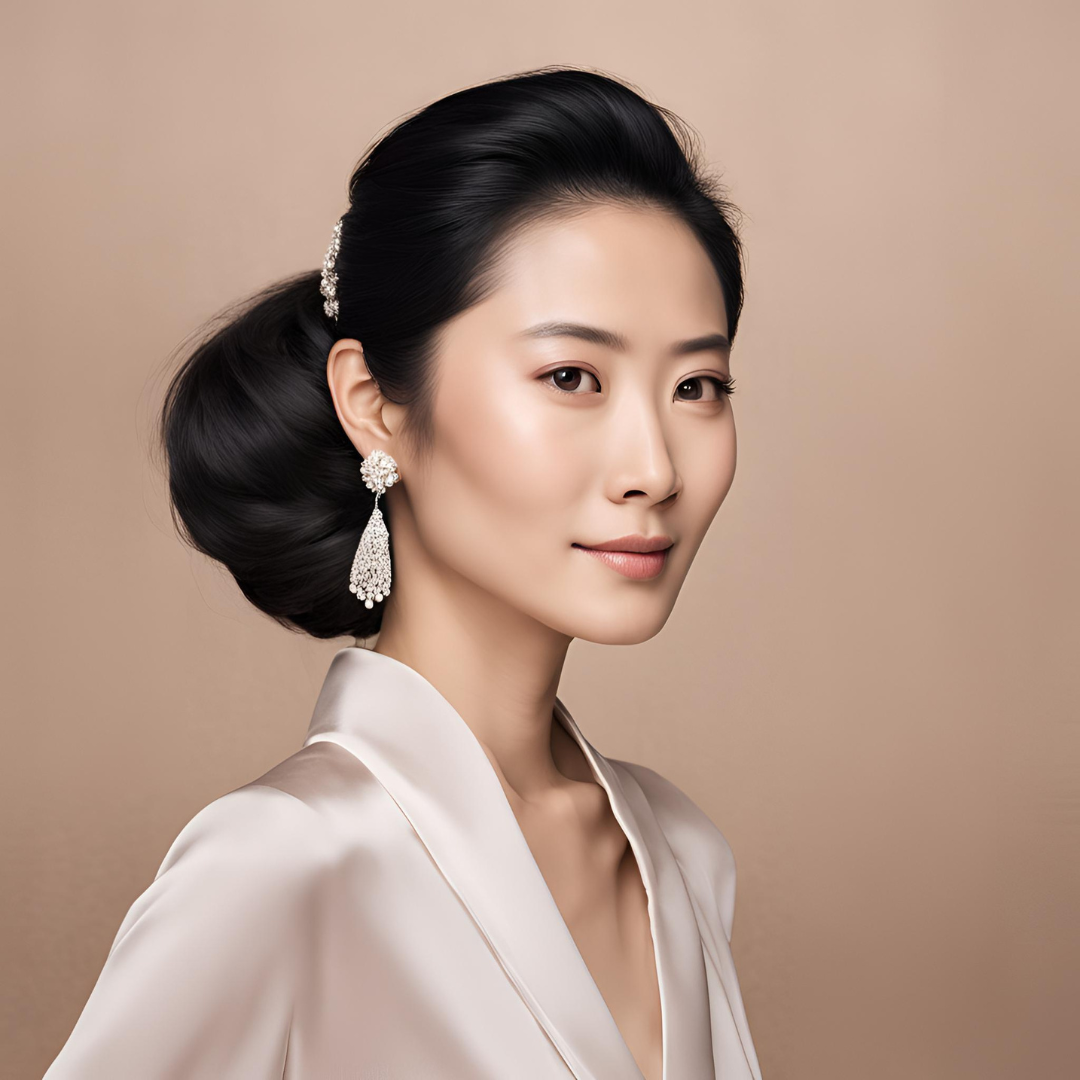
Mei Ling Cheng is a seasoned beauty expert with over 15 years of experience in professional makeup artistry and skincare consulting. As a leading beauty advisor at Sa Sa Malaysia, she specialises in enhancing natural beauty through innovative techniques and high-quality products. Her expert recommendations have helped thousands achieve flawless, long-lasting looks with confidence.
Featured Products in this Post
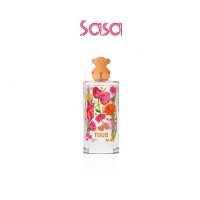
$89.00
Related Posts
How to Dry Hair Without Causing Frizz or Breakage | Correct Technique Guide
Best Cleansing Oils & Balms for Removing SPF and Makeup Singapore

Best Facial Tools for Your Skincare Routine | Gua Sha, Rollers & Cleansing Devices
Aloe Vera Benefits for Skin | What It Does and How to Use It

How to Get Clear Skin in Singapore's Humid Climate | Skincare Tips & Routine