



Introduction
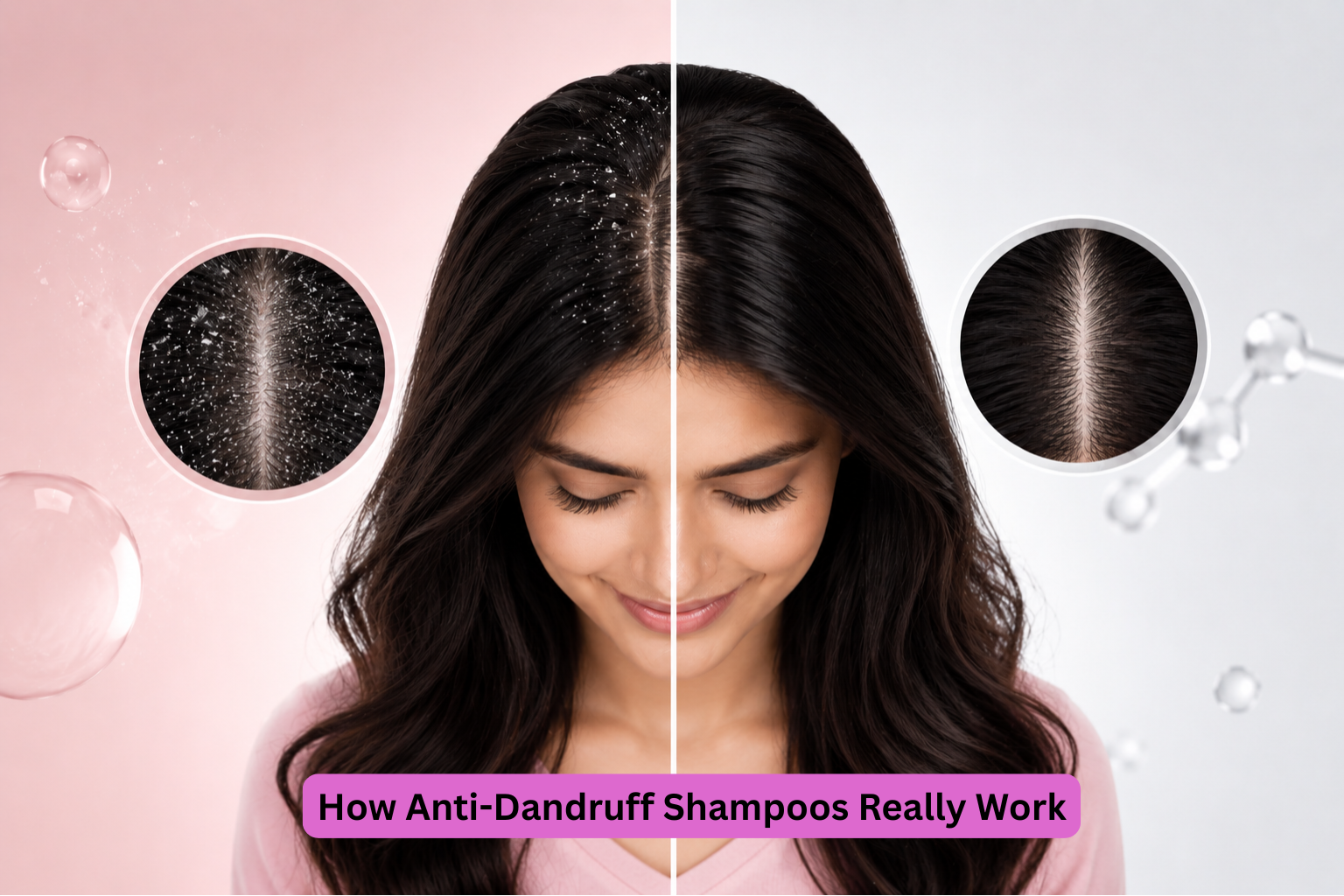
Dandruff is one of those annoyances that almost half of adults deal with at some point. It’s not dangerous, but the flakes, itching, and irritation can be frustrating, and it can make even a simple day feel uncomfortable. The good news? Choosing the right anti-dandruff shampoo can make a real difference. But first, it helps to understand what’s actually happening on your scalp.
Many people mistake dandruff for dry scalp. Dryness happens when your skin isn’t getting enough moisture. Dandruff, on the other hand, is usually caused by a combination of fungal imbalance and excess oil. That’s why the right shampoo doesn’t just wash away flakes, it tackles the root cause, helping your scalp stay balanced and healthy over the long term.
Quick Answer: How Do Anti-Dandruff Shampoos Work?
An anti dandruff shampoo works by controlling Malassezia, a yeast-like fungus that lives on the scalp. When it grows excessively, it triggers irritation and faster skin cell turnover, leading to flakes.
Many dandruff shampoo formulas contain antifungal ingredients that reduce fungal activity. Others include exfoliating agents that remove dead skin cells.
Some shampoos also contain soothing ingredients to calm irritation and itching. With regular use, the dandruff shampoo best suited to your scalp helps restore balance and prevent flakes from returning.
Key Takeaways
Understanding how dandruff shampoos work can make treatment more effective.
Target the Root Cause
Dandruff is usually caused by fungal imbalance rather than simple dryness. A specialised anti-dandruff shampoo targets this underlying issue.
Active Ingredients Matter
Look for ingredients such as zinc pyrithione, ketoconazole, or selenium sulphide when choosing the dandruff shampoo best suited for your scalp.
Contact Time Is Important
Shampoo should remain on the scalp for several minutes before rinsing. This allows the active ingredients to work properly.
Balance Hydration
Some medicated shampoos can be drying. Pairing treatment with a suitable conditioner helps maintain scalp comfort.
Consistency Is Key
Using dandruff shampoo two to three times per week helps control flakes and prevents recurrence.
What Causes Dandruff?
Treating dandruff effectively requires understanding its causes. Most cases result from several combined factors.
Malassezia Fungus
The main contributor to dandruff is a yeast-like fungus called Malassezia. This microbe feeds on natural oils produced by the scalp. When the fungus multiplies excessively, it irritates the skin.
Excess Oil Production
An oily scalp produces more sebum, which provides food for Malassezia. This explains why people with a shampoo oily scalp routine may experience more dandruff.
Skin Sensitivity
Some individuals react more strongly to the byproducts produced by the fungus. This reaction speeds up skin cell turnover, creating the visible flakes associated with dandruff.
Environmental Triggers
Cold weather, stress, hormonal changes, and infrequent washing can worsen dandruff by disrupting scalp balance.
Using a suitable anti-dandruff shampoo helps restore scalp balance and reduce visible flakes.
Key Ingredients in Anti-Dandruff Shampoos
Not all anti-dandruff shampoos are created equal, and the difference is usually in the ingredients.
Zinc Pyrithione
Zinc pyrithione is an antifungal found daily for dandruff shampoo. It controls microbial growth while reducing scalp irritation.
Ketoconazole
Ketoconazole is a stronger antifungal ingredient recommended for persistent dandruff. It targets fungal overgrowth and is included in the dandruff shampoo best for severe cases.
Selenium Sulphide
Selenium sulphide slows production of skin cells on the scalp. This helps prevent flakes from forming quickly.
Salicylic Acid
Salicylic acid works as a keratolytic agent. It breaks down dead skin cells and loosens flakes so they can be rinsed away easily.
Coal Tar
Coal tar reduces excessive skin cell production and is sometimes used for conditions like seborrhoeic dermatitis or psoriasis.
Choosing the right shampoo depends on both your scalp type and how severe your dandruff is. Understanding the active ingredient helps you select a product that treats the root cause rather than masking symptoms.
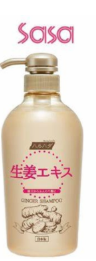
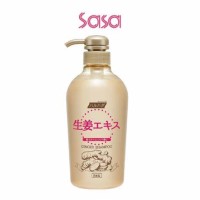
HARUHADA - GINGER SHAMPOO 600ML
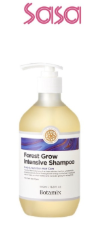
BOTAMIX - FOREST GROW INTENSIVE SHAMPOO 500ML
How Anti-Dandruff Shampoos Treat the Scalp
Unlike regular shampoos, anti-dandruff formulas act as targeted treatments for the scalp. Their goal is not only to remove visible flakes but also to address the underlying issues that cause them.
Controlling Fungal Growth
The main purpose of a dandruff shampoo is to reduce the population of Malassezia fungus on the scalp. Lower fungal levels help minimise irritation and flaking.
Reducing Inflammation
Many formulas contain soothing ingredients such as tea tree oil or menthol. These ingredients calm the scalp and relieve itching.
Removing Dead Skin Cells
Some shampoos include exfoliating agents that loosen dead skin cells. This prevents flakes from clumping together and becoming visible.
Balancing Oil Production
Certain formulas also regulate oil levels, which is especially helpful for individuals with a shampoo oily scalp concern.
By combining these effects, the shampoo addresses both the cause and the symptom, giving your scalp a chance to recover and stay healthy.
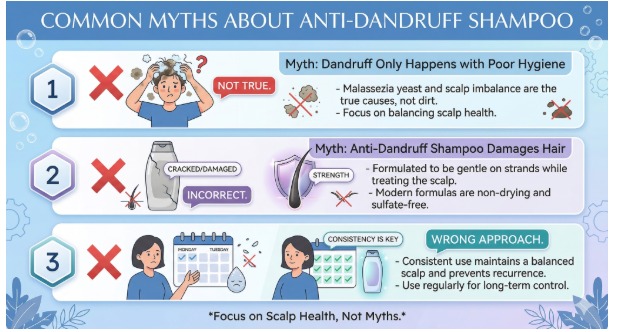
Common Myths About Anti-Dandruff Shampoo
There are several misconceptions about dandruff treatments that can lead to ineffective use.
Myth: Dandruff Only Happens with Poor Hygiene
Dandruff can affect anyone. While washing infrequently may worsen symptoms, the condition is primarily related to microbial imbalance.
Myth: Anti-Dandruff Shampoo Damages Hair
Older formulas caused dryness, but modern anti dandruff shampoo products are designed to be gentle and suitable for regular use.
Myth: You Only Use It When Flakes Appear
Preventative use is often recommended. Many experts suggest continuing for dandruff shampoo once a week even after flakes disappear.
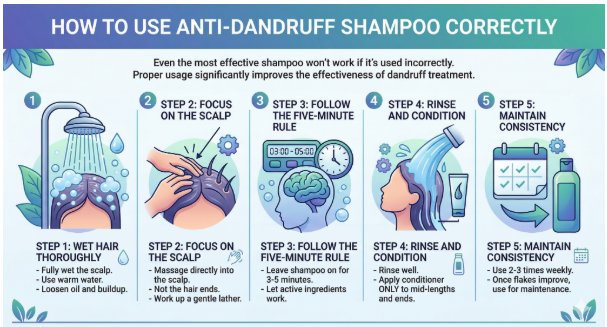
How to Use Anti-Dandruff Shampoo Correctly
Even the most effective shampoo won’t work if it’s used incorrectly. Proper usage significantly improves the effectiveness of dandruff treatment.
Step 1: Wet Hair Thoroughly
Fully wet the scalp with warm water to loosen oil and buildup.
Step 2: Focus on the Scalp
Massage the anti dandruff shampoo directly into the scalp, not the hair ends.
Step 3: Follow the Five-Minute Rule
Leave the shampoo on the scalp for three to five minutes so active ingredients can work.
Step 4: Rinse and Condition
Rinse well. Apply conditioner only to the mid-lengths and ends.
Step 5: Maintain Consistency
Use a dandruff shampoo two to three times weekly. Once flakes improve, continue using the dandruff shampoo best suited to your scalp for maintenance.
Final Thoughts
Finding the right anti-dandruff shampoo may take some trial and error, but understanding how these products work gives you a head start. Ingredients like zinc pyrithione, ketoconazole, and selenium sulphide target the causes of flakes, while consistent use restores scalp balance.
The best routine is one that leaves your scalp comfortable, healthy, and flake-free. Over time, this approach not only reduces irritation but also improves the overall health of your hair.
Frequently Asked Questions (FAQs)
1. What causes dandruff and why does it occur?
Dandruff usually occurs due to fungal overgrowth, excess oil production, and scalp sensitivity that triggers faster skin cell turnover.
2. How do anti-dandruff shampoos work on the scalp?
An anti dandruff shampoo works by reducing fungal growth, removing flakes, and soothing scalp irritation.
3. What are the key ingredients to look for in anti-dandruff shampoos?
Look for ingredients such as zinc pyrithione, ketoconazole, selenium sulphide, or salicylic acid in a dandruff shampoo.
4. Can anti-dandruff shampoos prevent hair loss?
While not designed for hair loss, the dandruff shampoo best suited to your scalp can reduce inflammation and support healthier hair growth.
Author
Mei Ling Cheng is a seasoned beauty expert with over 15 years of experience in professional makeup artistry and skincare consulting. As a leading beauty advisor at Sa Sa Malaysia, she specialises in enhancing natural beauty through innovative techniques and high-quality products. Her expert recommendations have helped thousands achieve flawless, long-lasting looks with confidence.
Featured Products in this Post
Related Posts
How to Dry Hair Without Causing Frizz or Breakage | Correct Technique Guide
Best Cleansing Oils & Balms for Removing SPF and Makeup Singapore
Best Facial Tools for Your Skincare Routine | Gua Sha, Rollers & Cleansing Devices
Aloe Vera Benefits for Skin | What It Does and How to Use It
How to Get Clear Skin in Singapore's Humid Climate | Skincare Tips & Routine