




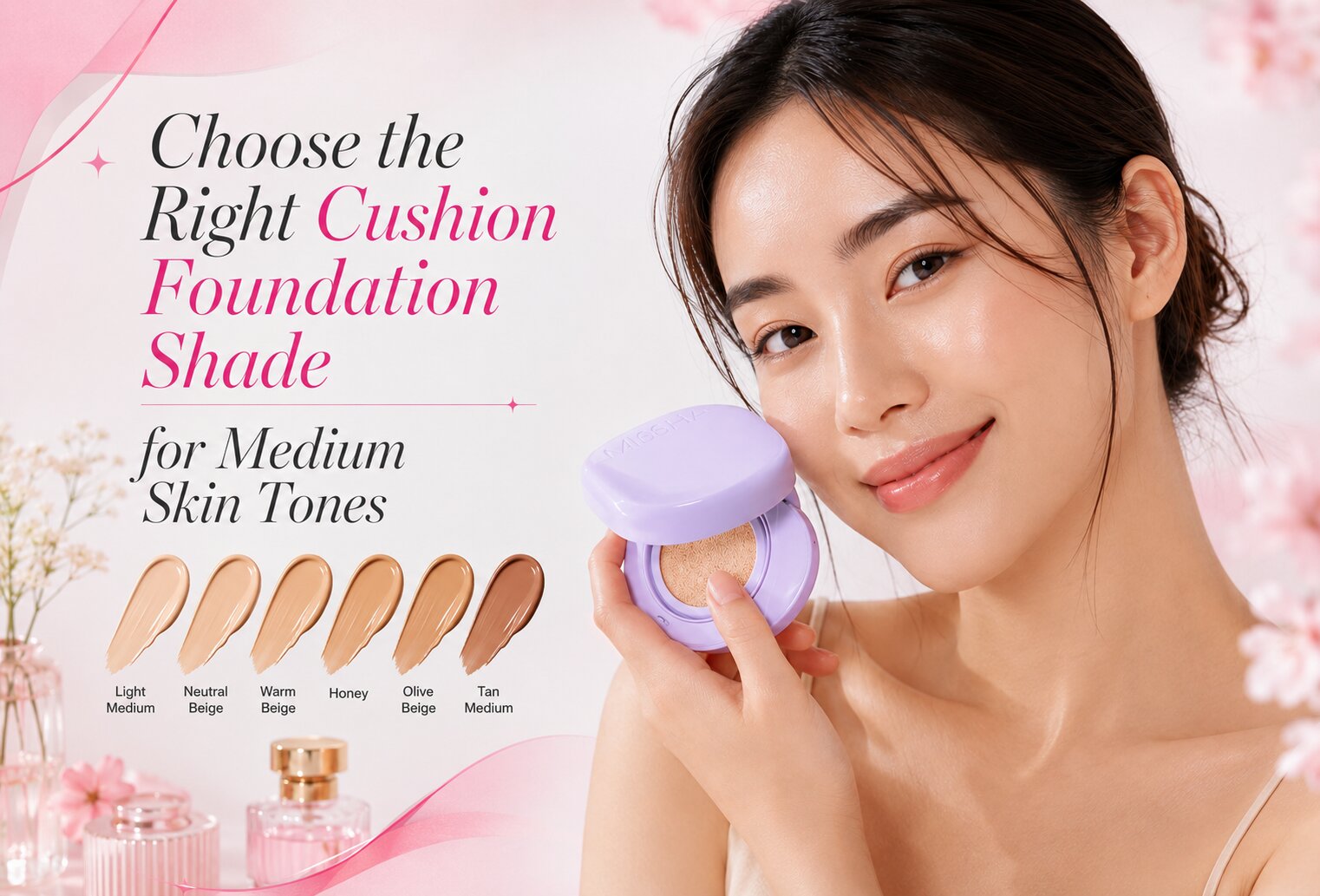
Medium skin tones cover a wide spectrum, from sun-kissed olive to warm honey. That range is part of what makes it one of the trickiest to shop for, since selecting the right foundation can easily end up looking too grey or too orange.
If you've ever picked a foundation that looked perfect in the store but seemed slightly off once you stepped into natural light, this guide is for you. We will help you learn how to choose the perfect foundation shade for your skin.
Key Takeaways: Choose the Right Cushion Foundation
Finding the right foundation shade starts with your true undertone beneath your skin. Some foundation shades oxidise as they set, so what you see in the sponge is rarely what stays on your face. Always test the foundation on your jawline and allow a 10-minute dry-down in natural light before deciding.
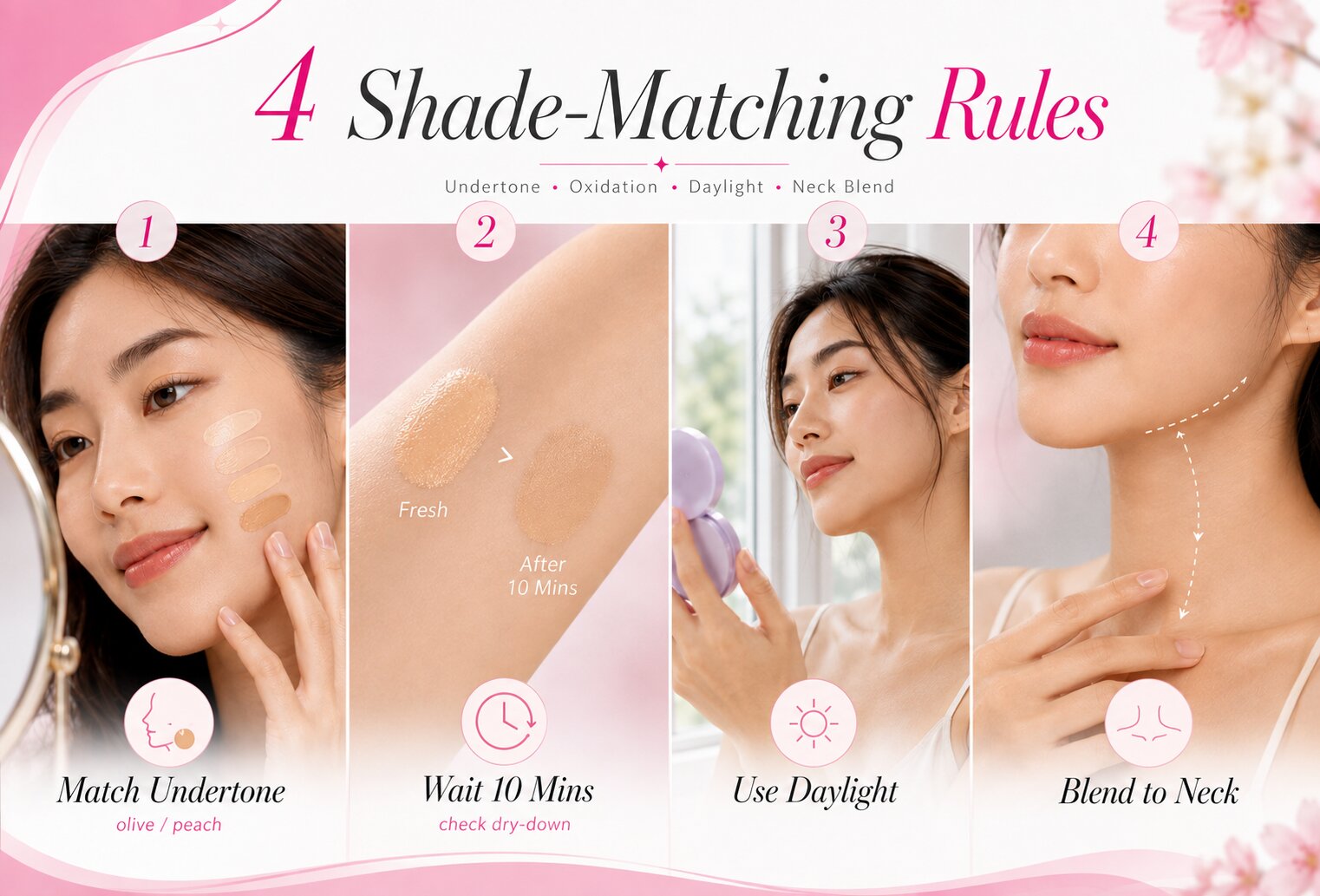
Four things to keep in mind:
- The Undertone Anchor: Hidden olive or peach tones are common in medium skin; matching depth without matching undertone leads to a ghostly or muddy finish.
- Oxidation Factor: Some cushion formulas darken as they set, so always go by the dry-down colour, not the initial swatch.
- Natural Light is King: Store lighting masks the yellow and green pigments in medium skin, making it easy to pick the wrong shade.
- The Neck Blend: Medium skin often has higher pigmentation on the face than the neck; match to your neck and chest for a natural finish.
Understand Your Skin Type, Surface Skin Tone, and Skin Undertone

It is crucial to understand your skin first. Medium skin spans from light-medium to tan-medium, and shades that work for one won't always work for the other, so knowing your depth is a good starting point.
You must also understand your skin type, whether you have normal, dry, or combination skin, as this dictates the right formula. Your complexion can also shift more than most people expect: more time outdoors can deepen it by a tone or two, while spending more time indoors tends to bring it back.
Your skin tone may change with the seasons, too. If your natural skin tone fluctuates, consider keeping three shades (or just two) and mixing them up as needed.
It's also worth looking past surface redness. Redness across the cheeks or nose doesn't define your actual surface skin tone, and matching it pushes the shade too pink. Focus on the most neutral areas of your bare skin, like the forehead or side of the cheek, when you're assessing your base.
Match Foundation Colour to Your Undertone for a True Match
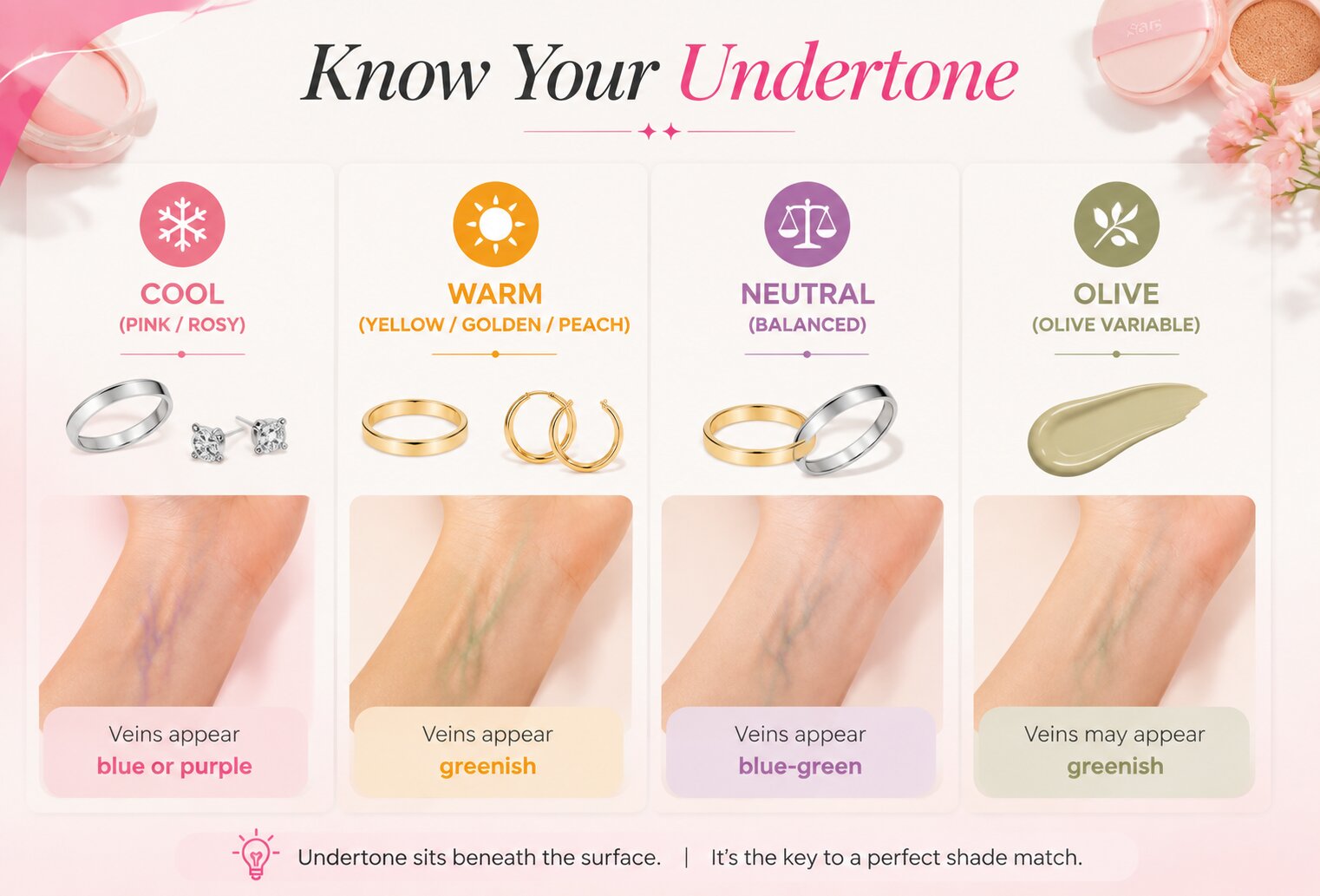
This is the "secret sauce" of a perfect shade match. Depth is easy to see, but undertone sits below the surface and determines whether a shade blends in or sits on top. Matching a foundation colour to your undertone guarantees a seamless look. Medium skin generally falls into four camps:
- Cool (Pink/Rosy): If you have cool undertones, you tend to suit silver jewellery, and your veins appear blue or purple on your inner wrist.
- Warm (Yellow/Golden/Peach): If you have warm undertones, gold jewellery tends to suit you, and the veins on your inner wrist look greenish.
- Neutral (Balanced): With neutral undertones, you can wear both gold and silver comfortably; your skin doesn't lean strongly pink or yellow. It is a beautiful mix of warm and cool tones.
- The Olive Variable: A common medium subset with a slight green or grey quality. Without a foundation that complements this, the result often ends up looking too orange.
Once you know your skin undertone, you can test shades with real confidence.
How to Swatch Foundation Shades: Swatching Shades in Natural Light
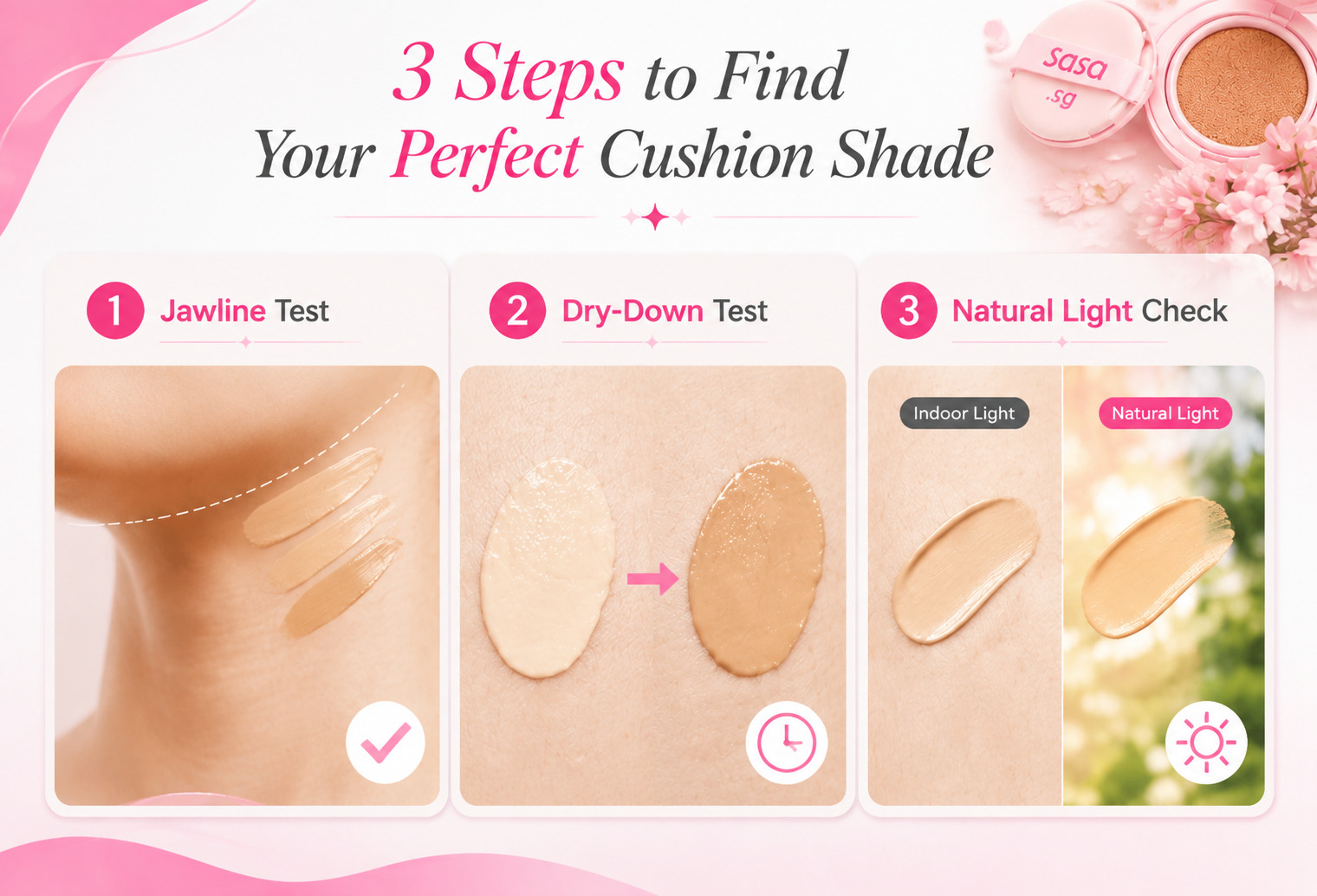
Whether you're using a famous Korean cushion or a western brand, cushion foundations behave differently from liquids because of their high water content. While finding a perfect match for liquid foundation might happen quickly, testing properly matters more here to find the perfect match for your skin.
- Start with the Jawline Test. When swatching shades, swatch the shade along your jawline and down onto your neck. The goal is a shade that disappears at that junction. Ideally, your foundation shade should be almost invisible here. If you can still see the line after blending, it's not the right shade of foundation.
- Then, give it some time. The Dry-Down Test is about patience: wait five to ten minutes after applying. Cushion foundations darken as the formula sets, and a shade that looks perfect on the sponge can shift noticeably by the time you leave the counter.
- Finally, don't skip the Natural Light Check. Step outside or stand near a window before committing. Checking shades in natural light reveals the true match. In-store lighting distorts the yellow and green pigments common in medium skin, so what looks right indoors often may not hold up in daylight.
From here, it's really about technique.
Recommended product:
Flawless Radiance Glow Liquid Foundation
Application Tips for the Right Foundation Shade on Bare Skin
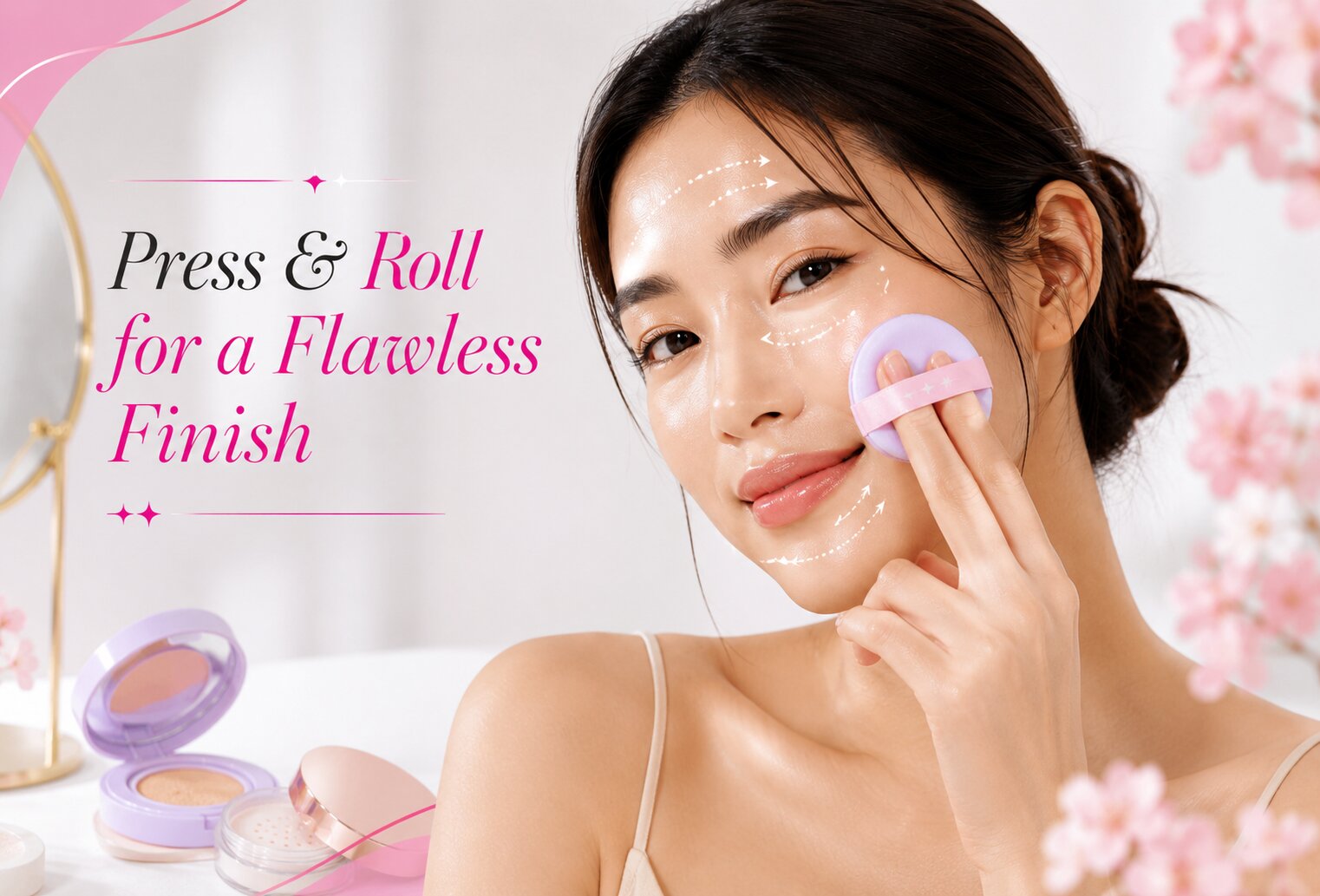
Finding your foundation shade is only half the job. Depending on your formula, a great foundation shade provides buildable coverage and a natural finish. These three habits make a real difference in how it actually appears:
- Press and Roll: Use a pressing and rolling motion rather than dragging the sponge. Dragging lifts the product and creates a patchy, uneven finish.
- Start from the Centre: Begin where you need the most coverage and blend outward. This naturally sheers the product out at the edges and prevents a visible line. This method is perfect for normal to dry skin, and a good formula also helps keep the skin hydrated.
- Set with Translucent Powder: This locks in the colour without shifting it. A tinted powder changes the result, so only use one if you want to adjust the tone at the end. Setting the right foundation ensures it offers wear throughout the day and feels like a second skin.
Small adjustments to technique can make the same shade look noticeably more natural.
Korean Cushion Mistakes: Finding the Right Formula and Shade
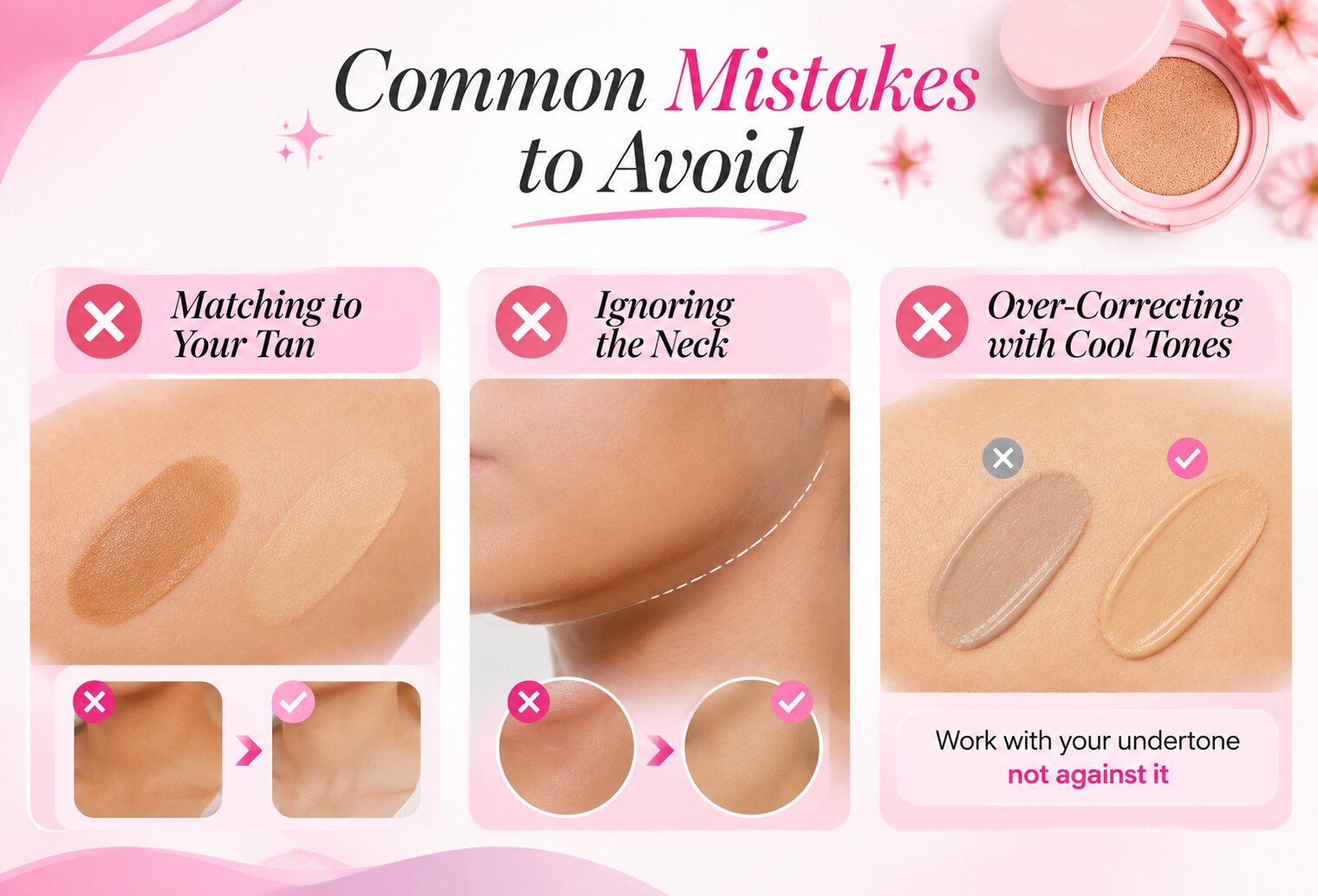
Even with the right shade and technique, a few common missteps can throw things off. Here's what to watch out for:
- Matching to Your Tan: A shade chosen when your skin is at its most tanned will look too dark for everyday wear. Find one that works for your everyday complexion instead.
- Ignoring the Neck: Medium skin often carries more pigmentation on the face than the neck. When your foundation is noticeably darker, it creates a mask effect that shows up clearly in photos. Always check your neck before committing. The right shade should seamlessly disappear into your skin without a trace.
- Over-Correcting with Cool Tones: A cool foundation won't neutralise warm skin; it'll just make it look ashy. Work with your undertone rather than against it.
Avoiding these three pitfalls makes more of a difference than most people expect.
Recommended Product:
Black Label Luminous Featherweight Powder Foundation
Conclusion: Foundations for Every Skin
Getting your perfect cushion foundation right for medium skin is a balance of depth and undertone. Understanding your skin tone and undertone are the main factors in finding the right products.
Once you've got both right, the shade blends with your skin rather than sitting on top of it, and that's when you get the glass skin finish that works with your natural glow. It's simpler than it sounds: ten minutes at the counter, a swatch on your jawline, and natural light.
That's the difference between a shade you reach for every day and one that stays at the back of a drawer. Ready to find your flawless match? Shop our curated collection of cushion foundations for medium skin tones, or check out our guide on the best hydrating primers to prep your base.
Frequently Asked Questions (FAQs)
1. How do I identify my undertone for medium skin?
Check the veins on your inner wrist. Blue or purple veins suggest cool undertones, green veins point to warm, and a mix of both indicates neutral. You can also check which metal suits you more: silver for cool, gold for warm.
2. What is the best way to test cushion foundation shades?
Swatch along your jawline and down onto your neck, then wait five to ten minutes before assessing. Check in natural light for the most accurate result.
3. How can I choose the right cushion foundation for medium skin tones?
Identify your undertone first (cool, warm, neutral, or olive), then test for oxidation by allowing the shade to dry down fully. Match to your neck to avoid a visible colour difference between your face and chest.
4. Are there specific brands that suit medium skin best?
There's no single brand that suits medium skin best. It comes down to the shade range within each line, as there are great foundations for every skin. Look for descriptions like "warm beige," "golden," or "olive" rather than relying on numbered codes alone, as these vary significantly between brands. If you're unsure, try a brand's online shade finder first.
5. How do I achieve a flawless cushion foundation application?
Use a pressing and rolling motion rather than dragging the sponge. Build from the centre of your face outward, set with a translucent powder, and blend the edges down onto the neck so there's no visible line. This guarantees a matte finish or radiant glow that perfectly complements your complexion.
Author

Mei Ling Cheng is a seasoned beauty expert with over 15 years of experience in professional makeup artistry and skincare consulting. As a leading beauty advisor at Sa Sa Malaysia, she specialises in enhancing natural beauty through innovative techniques and high-quality products. Her expert recommendations have helped thousands achieve flawless, long-lasting looks with confidence.
Featured Products in this Post
Related Posts

Best Sunscreens for Singapore's Hot Humid Weather | SPF50+ Non-Comedogenic Picks

Best Facial Tools for Your Skincare Routine | Gua Sha, Rollers & Cleansing Devices

Aloe Vera Benefits for Skin | What It Does and How to Use It