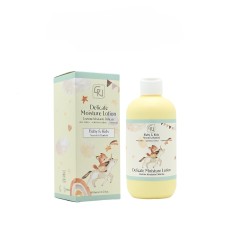




What Makes Baby Skin Different
- Baby skin is structurally different from adult skin in several important ways: it's significantly thinner, has a less developed acid mantle (the protective pH barrier), produces less natural moisturising factors, and is more permeable — meaning ingredients penetrate more rapidly and deeply. This makes ingredient selection critically important for baby skincare.
Ingredients to Look For in Baby Skincare
- Oat Extract (Colloidal Oatmeal): The gold standard for baby skin — deeply soothing, anti-inflammatory, and safe for even the most sensitive newborn skin.
- Ceramides: Support and strengthen baby's developing skin barrier — help prevent dryness and eczema flares.
- Glycerin: A gentle humectant that attracts and retains moisture — universally well-tolerated and highly effective.
- Zinc Oxide: The safest UV filter for baby skin — physical mineral protection with no systemic absorption. Essential in Singapore's year-round UV.
- Aloe Vera: Calms irritation and provides lightweight hydration — ideal for Singapore's warm climate where heavier creams can feel uncomfortable.
Ingredients to Avoid in Baby Skincare
- Fragrance (natural or synthetic): The most common cause of skin irritation in babies — always choose fragrance-free formulas for infants under 12 months.
- Parabens: Preservatives with potential endocrine-disrupting effects — avoided in most modern baby skincare formulas.
- Strong Essential Oils (Lavender, Tea Tree, Eucalyptus): Can be too potent for baby skin and cause irritation or sensitisation.
- Alcohol (Ethanol/Isopropyl Alcohol): Drying and irritating — never appropriate in baby skincare products.
- Talc: Risk of respiratory irritation if inhaled; most paediatricians no longer recommend talcum powder.